
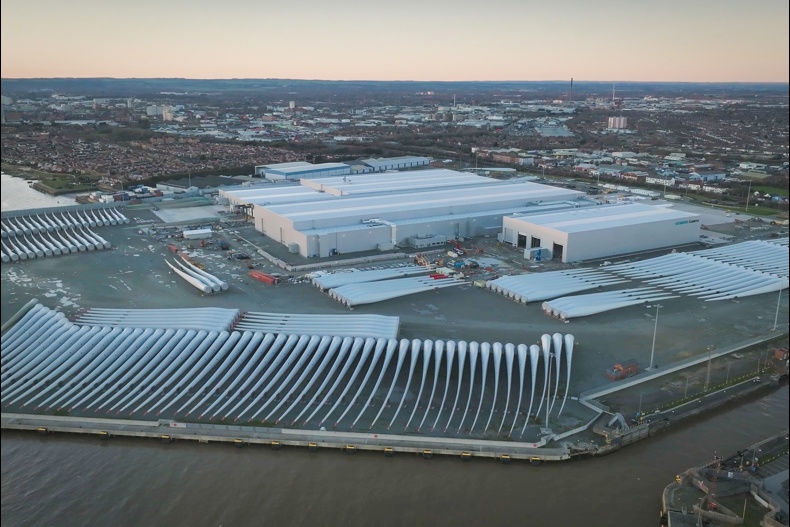
- Green Volt has reserved manufacturing capacity for 28 Siemens Gamesa turbines, each capable of generating more than 15 MW.
- A letter of intent covers planned anchor and mooring work at Aberdeen South Harbour and could support a £15 million package of port and supply chain spending.
- The project has consent for up to 560 MW and a 400 MW contract for difference. The two agreements take it closer to construction.
The developers of Scotland’s Green Volt floating offshore wind farm have reserved manufacturing capacity for 28 Siemens Gamesa turbines and identified Aberdeen South Harbour as the intended base for preparing and loading out its anchors and moorings.
The agreements secure engineering capacity and spell out where some of the project’s work could land onshore.
Flotation Energy and Vårgrønn, the project partners, on Tuesday said the turbine reservation was worth several million pounds and covered specialist engineering resources as well as manufacturing capacity. The developers said each turbine would be capable of generating more than 15 MW, describing the agreement as a first at commercial scale for floating wind.
The port agreement takes the form of a letter of intent. Green Volt expects it to support about £15 million of investment and spending across port infrastructure, facilities and supply chain activity, subject to final confirmation.
Port of Aberdeen chief executive Bob Sanguinetti pointed to the harbour’s “deepwater berths and extensive laydown space”, both important when a project needs to assemble, store and load large components before taking them offshore.
The project lies around 50 miles off Peterhead. It has consent for up to 560 MW and secured revenue support for 400 MW in the UK’s sixth contract for difference auction at a strike price of £139.93/MWh in 2012 prices. The developers say Green Volt is designed to supply the grid and help decarbonise offshore oil and gas operations.
The overall project could drive around £2.5 billion of investment, according to the developers’ estimate.
A clearer opening
Floating wind borrows much of its technology from fixed-bottom offshore wind, but putting a turbine on a floating platform creates a different set of jobs. The anchors and moorings have to be prepared and taken offshore, and the installation schedule has to work around vessel availability and weather.
Identifying a harbour for part of that work gives companies a clearer view of what they could bid for and where they would need to deliver it.
The agreements also show how quickly a developer has to make commitments across different parts of the supply chain. The port letter sets out an intended location and scope, with spending still subject to confirmation; for suppliers deciding whether to hire or invest in equipment, the next milestones are the agreements that turn those intentions into orders with dates attached.
Aberdeen has already invested £420 million in South Harbour, according to the port. Green Volt offers a chance to use that infrastructure for floating wind and establish a record that could help win work on later projects.
The wider economic value will depend on how much work one project can sustain and whether subsequent developments arrive in time for suppliers to keep the people and equipment they mobilise for it.