
- Germany is planning incentives for gas plants to convert to hydrogen, with the proposal covering around 2GW of new capacity.
- The announcement comes as part of a broader strategy to ensure power system reliability.
- At a strategic level, this signals the integration of gas and hydrogen pathways.
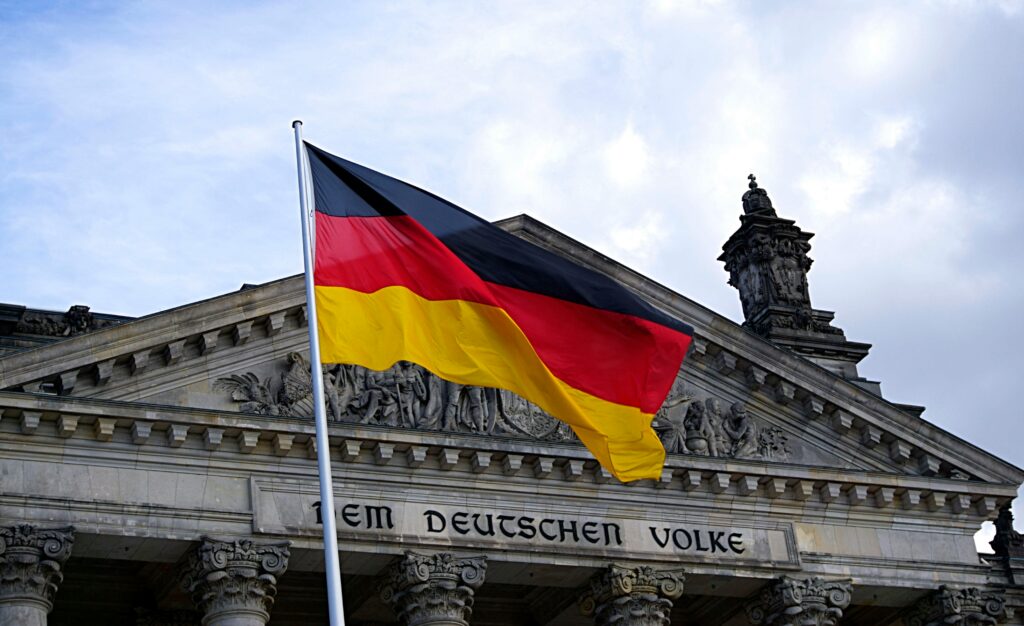
Germany is preparing to introduce incentives for new gas-fired power plants to transition to hydrogen, in a move designed to balance short-term energy security with long-term decarbonisation goals.
According to Hydrogen Insight, the proposals form part of a draft Electricity Supply Security and Capacity Act and could support around 2GW of new capacity.
The plan reflects a pragmatic approach to the energy transition. While renewable generation continues to expand, dispatchable capacity remains essential to ensure system reliability, particularly during periods of low wind and solar output.
By designing new gas plants to be “hydrogen-ready”, Germany aims to avoid locking in long-term emissions while maintaining the flexibility needed to stabilise the grid.
The approach also highlights the evolving role of hydrogen in the energy system. Rather than being confined to niche applications, hydrogen is increasingly being positioned as a key component of power sector decarbonisation.
However, significant challenges remain. Hydrogen infrastructure, including production, transport and storage, is still in its early stages of development. Converting gas plants at scale will require substantial investment and coordinated policy support.
For the UK, Germany’s strategy offers a useful point of comparison. Both countries face similar challenges in balancing decarbonisation with security of supply, yet their policy approaches are diverging in key areas.
The UK has focused more heavily on renewable generation and market-based mechanisms, while Germany is taking a more interventionist approach to capacity planning.
The broader implication is that the transition will not follow a single pathway. Different markets will adopt different models, shaped by their resource base, industrial structure and political priorities.
Germany’s move suggests that gas will continue to play a role in the energy system – but increasingly as a bridge to hydrogen rather than a long-term solution.