
- Great Britain set a new solar generation record: 14,414 MW between 12:30 and 13:00 on 7 April, enough to power 11 million homes.
- The record came just a day after the previous high, highlighting rapid growth of the UK solar fleet.
- The UK government approved the Springwell Solar Farm, an 800 MW project with battery storage that will power more than 180,000 homes and the 25th major clean‑energy project approved since July 2024.
Britain’s power grid is experiencing unprecedented levels of renewable generation. On 7 April, between 12:30 and 13:00, solar output reached 14,414 MW, beating the previous day’s record and eclipsing the 14,023 MW high set in July 2025.
This output is roughly equivalent to the power used by 11 million homes, underscoring how far solar has come since it supplied just 3% of Britain’s electricity in 2000. It comes less than two weeks after a separate record for wind generation, when turbines produced 23,880 MW on 25 March.
Celebrating the milestone, the National Energy System Operator (NESO) said it shows the system can run safely and securely on “large quantities of homegrown renewables”.
Energy Minister Michael Shanks stressed that the solar surge demonstrates the benefits of moving away from volatile fossil fuel markets, noting that “four years on from Russia’s invasion of Ukraine we are again seeing what it means to be in the grip of volatile fossil fuel markets”.
Springwell approved
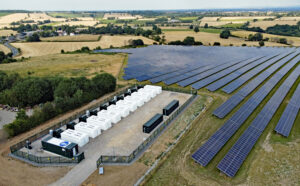
In parallel with this record, the government granted development consent for the Springwell Solar Farm near Lincolnshire. The 800 MW project will include battery storage and supporting grid infrastructure. It is expected to generate enough electricity for over 180,000 homes, roughly half the households in Lincolnshire.
Springwell is the largest solar project by capacity yet approved in the UK and one of 25 nationally significant clean‑energy projects cleared since July 2024. The decision follows a string of measures, including making plug‑in solar kits available to households, mandating solar panels on new homes and fast‑tracking the next Contracts for Difference (CfD) auction.
The twin developments illustrate Britain’s accelerating renewable build‑out. Record generation proves that the grid can absorb large volumes of variable power, while Springwell’s battery component highlights the growing role of storage in balancing supply and demand.
For investors and developers, the approvals reinforce the government’s commitment to clean power, even amid geopolitical turmoil. For consumers, more solar and wind means reduced reliance on imported gas and insulation from international crises such as the Hormuz toll threat.
However, the rapid pace also raises questions about grid congestion, planning processes and the availability of skilled labour – all areas that will need careful management as the UK races towards its 2030 decarbonisation targets.