

- The King’s Speech signalled the new government’s flagship Energy Independence Bill, pledging to scale up home‑grown renewables and break the link between electricity prices and volatile gas imports.
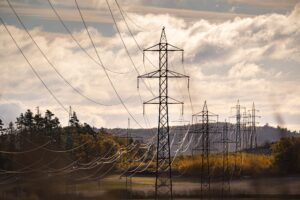
- The legislation will streamline planning and licensing for offshore wind farms, hydrogen infrastructure and grid upgrades. It also expands Ofgem’s remit to cover third‑party energy brokers, giving consumers greater protection and transparency.
- Alongside renewables, the bill embraces nuclear power as part of the clean‑energy mix and accepts recommendations to modernise nuclear regulation, aiming to deliver projects faster.
Labour used the second King’s Speech since the general election to position energy as a cornerstone of national security this week, with ministers insisting the bill will accelerate offshore wind, hydrogen and smart‑grid projects while safeguarding living standards.
Addressing parliament on Wednesday, King Charles III said ministers would introduce an Energy Independence Bill “to scale up homegrown renewable energy and protect living standards for the long term”.
The bill marks the most ambitious attempt yet to decouple British electricity prices from volatile gas markets. If enacted, it would streamline planning for offshore wind, hydrogen and smart‑grid projects and give regulators new powers to tackle high bills.
New legislation is a response to lessons from the Iran war, which has driven gas and oil prices to record highs and exposed the vulnerability of imported energy. Officials say it will empower government to intervene in the market to ensure affordable electricity and to expand Ofgem’s remit to regulate third‑party brokers, clamping down on poor practices.
The bill also embraces nuclear: the government accepted the Fingleton review’s recommendations to modernise nuclear regulation, paving the way for faster approvals of small modular reactors and large‑scale plants.
Energy secretary Ed Miliband said the reforms would “drive forward clean power, reduce bills, support families and deliver good jobs,” while the King warned that adversaries should never again “attack the economic security of the British people”.
Simplified regulations and stronger watchdog powers
Analysts say simplifying regulations could unlock billions in private investment and accelerate the UK’s ambition to have 50 GW of offshore wind capacity by 2030 and build green hydrogen hubs. The bill aims to break the link between electricity prices and gas by reforming wholesale markets and encouraging flexible demand.
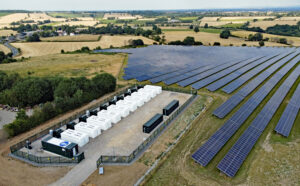
Octopus Energy’s Rachel Fletcher welcomed proposals enabling households with solar panels, batteries and EVs to sell power back to the grid and earn revenue. However, consultants warn that shortages of skilled workers threaten the pace of rollout; training tens of thousands of heat‑pump installers and solar electricians will be crucial.
Environmental campaigners support the bill’s ambition but stress that delivery is key. Jess Ralston of the Energy and Climate Intelligence Unit said the government is “sticking with clean power” to avoid dependency on Middle Eastern or US gas and that households are already switching to solar, electric vehicles and heat pumps.
Critics fear the government may again delay difficult decisions on onshore wind and efficiency standards. For UK industry, the bill signals regulatory changes ahead: faster grid connections, new duties for brokers and opportunities in offshore wind, hydrogen, nuclear and demand‑response services.
Its success hinges on turning legislative ambition into shovel‑ready projects and training a workforce capable of building the transition.