
- EU leaders are discussing temporary measures to protect households and businesses from high energy costs.
- Electricity market design and the emissions trading review are part of the debate, but a new relief package was not confirmed in the material reviewed.
- UK companies face potential effects through connected electricity markets, gas procurement and European industrial competition.
EU leaders are seeking additional measures to contain energy price pressures, bringing the relationship between emergency relief and long-term market reform back to the centre of discussions in Brussels.
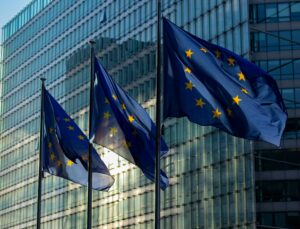
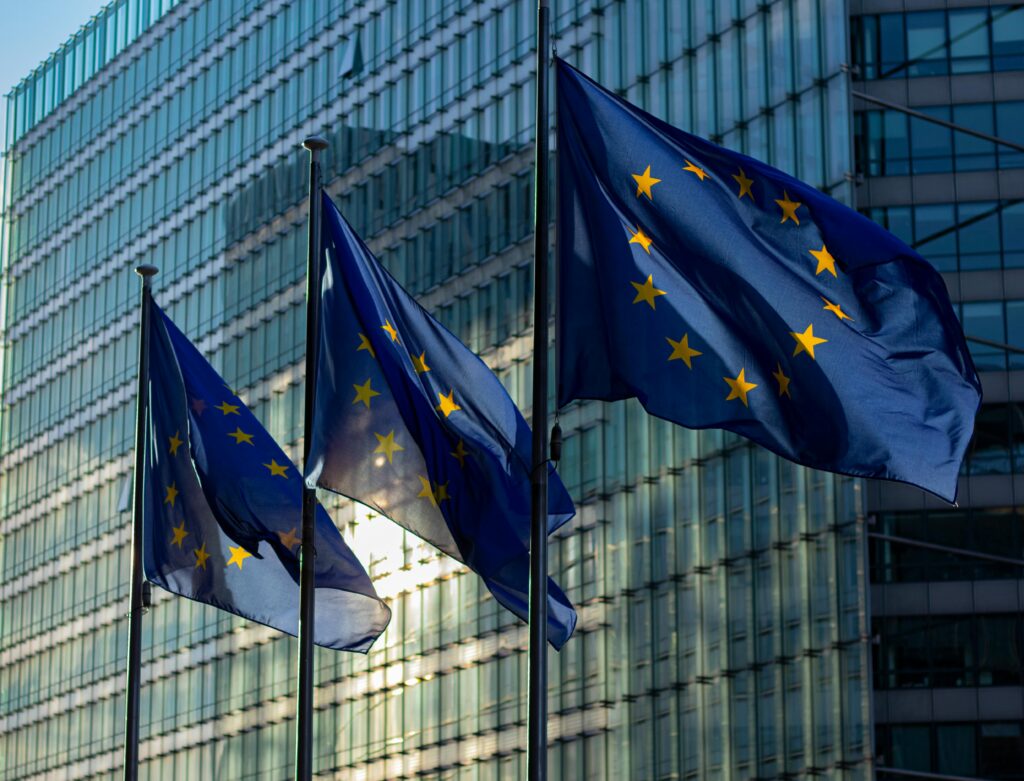
The European Council’s 15-16 October summit opened with energy costs among its principal competitiveness concerns. The Council’s official agenda envisages guidance to the European Commission on targeted, temporary measures alongside discussion of reducing dependence on fossil fuels.
Leaders discussed further steps to ease the burden on households and businesses before winter. The ongoing review of the EU Emissions Trading System also featured, while some leaders called for examination of electricity market design.
No new relief package has yet been confirmed by the negotiations. Euronews reported that Italy and Greece were among countries seeking additional spending flexibility in response to the energy shock – differences were also reported over the treatment of carbon pricing, with Finland supporting immediate relief while maintaining its commitment to the bloc’s climate framework.
The debate takes place against continuing disruption to fuel supplies. The International Energy Agency warned this week that diesel market tightness would extend into 2027, with depleted inventories limiting the protection available ahead of peak winter demand.
That combination of immediate affordability pressures and persistent physical constraints makes the design of state intervention all the more significant.
Relief measures limited
Governments have several different problems to address. Households may need help paying bills, industrial users may face a competitiveness squeeze and suppliers may need sufficient confidence to keep procuring energy. A measure suited to one problem will not necessarily resolve the others.
Targeted financial support can protect vulnerable customers without changing the wholesale market itself. Its cost must still be financed, while broad support may reach businesses or households that could absorb more of the increase.
Interventions in market prices create a different set of effects. Depending on their design, they can alter incentives to conserve energy, import supplies or invest in generation. Those consequences matter most when physical availability is already constrained.
Carbon pricing adds another layer. Changes could affect the operating costs of fossil-fuelled generation and industrial installations, but would also influence the expected value of emissions reduction investment. Companies need clarity over the duration and scope of any adjustment before revising long-lived plans.
The summit matters despite the UK being outside the EU. Electricity interconnectors link trading conditions, while European buyers compete for internationally traded gas and refined products. Policy that changes demand or purchasing behaviour can therefore have effects beyond the bloc.
Industrial competition is another route. UK manufacturers assessing electrification or low-carbon production will compare their energy costs with those faced by European rivals, including any temporary support.
The central investment question is whether emergency action preserves confidence in the transition while addressing the immediate shock. Developers need stable expectations about revenue and carbon policy, and consumers need credible evidence that infrastructure spending will improve affordability.
Businesses should wait for the final wording and implementation details before treating the discussions as a change in commercial conditions. The practical tests will be who qualifies for support, who pays for it, how long it lasts and whether it improves access to energy rather than simply reallocating an elevated bill.