
- The EMPACT project, led by Vattenfall with Danish and Swedish universities, aims to determine whether harbour porpoises detect electromagnetic fields (EMF) emitted by submarine power cables and if such exposure influences their behaviour.
- Field studies showed varied responses among tagged porpoises crossing cables, from no change to surfacing and stopping feeding or diving and feeding continuously.
- Phase two involves trained porpoises exposed to calibrated EMF in a controlled environment to identify detection thresholds. Results are expected in 2027, with potential implications for cable routing and shielding.
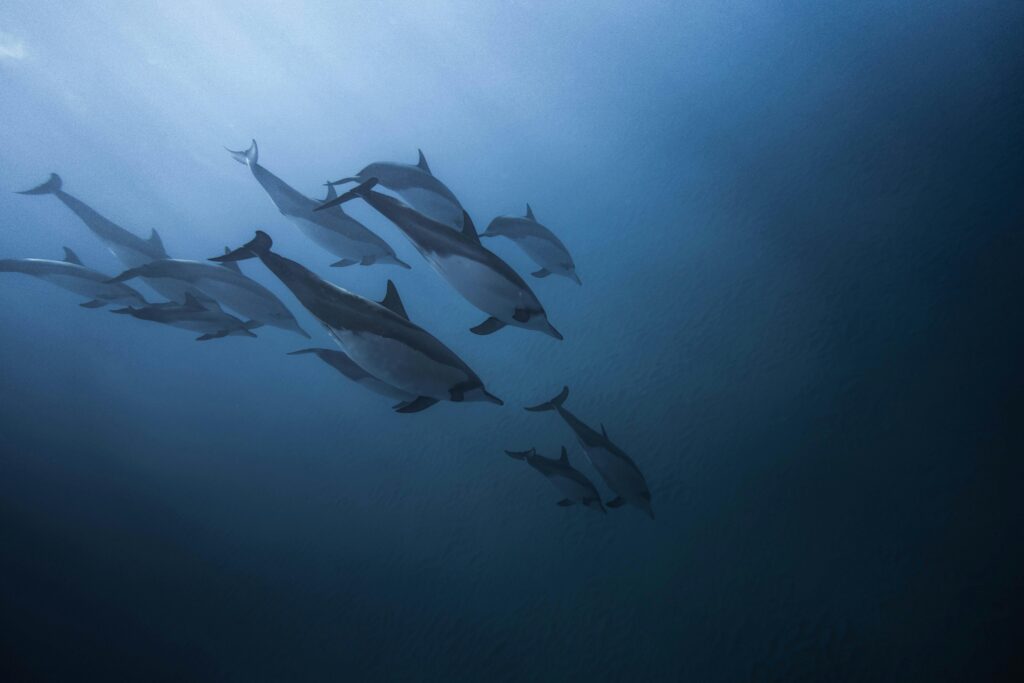
As offshore wind development accelerates in the North Sea, researchers are investigating whether electromagnetic fields from undersea cables could disturb harbour porpoises – one of Europe’s most protected cetaceans.
The ongoing EMPACT study could shape future offshore‑wind design by identifying safe EMF thresholds and informing cable burial practices.
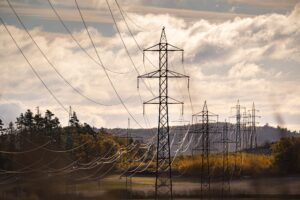
With national plans to install 100 GW of offshore wind capacity in the North Sea by 2040, thousands of kilometres of subsea power cables will criss‑cross critical marine habitats. These cables generate magnetic and electric fields that are thought to be detectable by certain marine species.
While regulators and developers have intensively studied underwater noise, research on electromagnetic effects has lagged.
A detailed report by Energies Media notes that the EMPACT project emerged from earlier research on bottlenose dolphins and concerns about potential EMF impacts on porpoises.
Launched in 2024, the collaboration between Vattenfall, the University of Southern Denmark and Sweden’s Royal Institute of Technology aims to determine whether harbour porpoises can perceive EMF and, if so, at what exposure levels behavioural changes occur.
Initial findings
The first phase of the study tracked wild porpoises fitted with sensors as they crossed existing subsea cables. Researchers observed three distinct responses: some animals showed no behaviour change; others surfaced and stopped feeding; and a third group dove and continued feeding.
This variability underscores the need for controlled experiments to isolate EMF as a factor.
In phase two, researchers are working with trained porpoises in an aquarium environment. By exposing them to controlled EMF levels that mimic those around submarine cables, scientists hope to determine detection thresholds and understand how the animals adjust behaviours such as swimming speed and feeding. The work will continue through 2027.
Harbour porpoises are one of the most abundant cetaceans in the North Sea and are protected by EU and national legislation. If EMF significantly alters their behaviour, regulatory agencies may require cables to be buried deeper, shielded or rerouted.
For offshore‑wind developers, understanding these thresholds early could avoid costly retrofits and ensure projects meet environmental impact assessments. The EMPACT study forms part of Vattenfall’s broader BioWinS programme to enhance biodiversity across its wind and solar projects.
Environmental impacts of renewable energy infrastructure are increasingly scrutinised by regulators and the public. While EMF effects on marine mammals are not yet well understood, the issue has gained attention as offshore wind capacity scales up.
Results from EMPACT could influence design standards, cable‑laying techniques and permitting processes for years to come. For investors, early evidence of environmental compatibility could accelerate project approvals and reduce litigation risks. Conversely, findings of adverse impacts could push developers to adopt more costly mitigation measures.