
- Oil prices plunged and stock markets rallied after the US and Iran announced a draft peace deal that includes reopening the Strait of Hormuz and lifting a naval blockade. Brent crude fell around 5%, dipping toward $80/barrel, and global equity indices hit record highs.
- Analysts say the price fall may be temporary; resuming traffic through the strait and repairing damaged infrastructure could take weeks or months.
- The Strait of Hormuz handles about a fifth of global oil shipments, so the reopening eases fears of supply shortages and potentially dampens UK inflation. Sterling and gilts rallied on the news, and UK policymakers now have leeway to focus on domestic energy reforms rather than emergency price support.
The latest geopolitical earthquake has come not from a new conflict but the tentative end of one.
On Sunday, US President Donald Trump and Iran’s deputy foreign minister announced a framework to end the Iran-UAE war and reopen the Strait of Hormuz.
The news set off a global relief rally: share markets from Europe to Asia surged, European indices hit record highs and safe‑haven bonds gained.
Brent crude – which had been trading above $85 per barrel – tumbled by more than 5% to around $82/bbl, while US WTI crude slid below $80. Analysts said Brent could head toward $80 if the strait fully reopens.
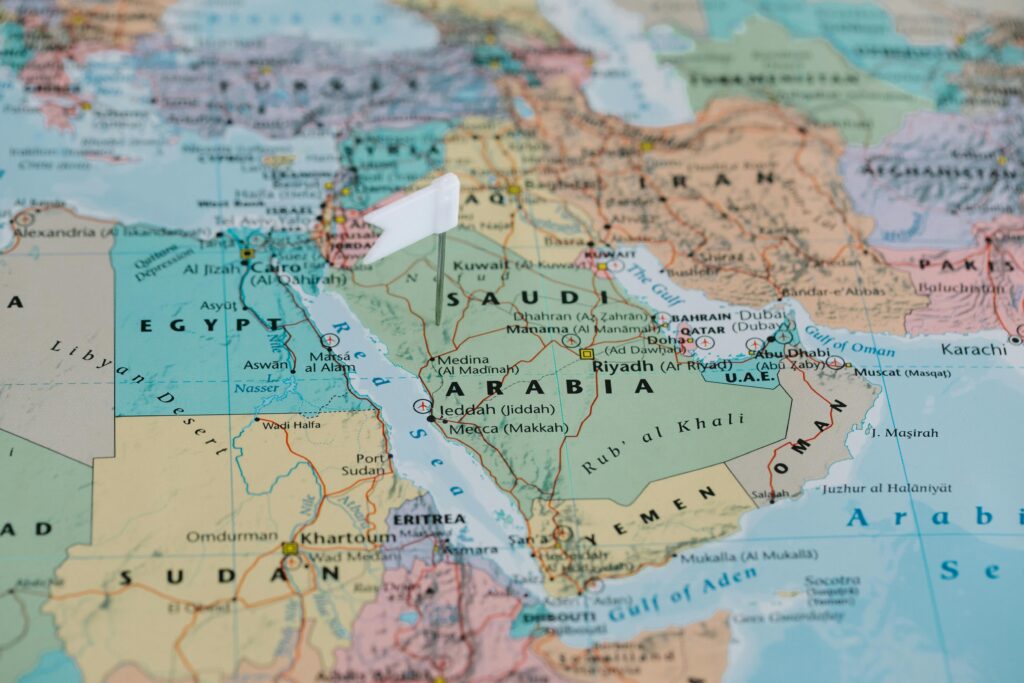
The reason markets care so deeply is the strait’s strategic importance. Roughly one fifth of the world’s seaborne crude passes through its 54 km choke‑point. Since the war erupted, Iranian mines, attacks and a US‑led blockade had choked off exports, causing oil prices to spike and global inflation to re‑accelerate.
According to the International Energy Agency, the closure caused a daily shortfall of about 14 million barrels of crude. European manufacturers, already grappling with high power bills, faced the prospect of fuel rationing. The peace framework promises to lift that fear: both sides agreed to demine the strait and allow ships safe passage.
Trump indicated that vessels may eventually traverse the waterway toll‑free and that a governing council comprising Iran and Oman will regulate traffic.
The UK has felt the strait’s chokehold acutely. Britain imported roughly 16% of its crude from the Middle East before the conflict, and rising spot prices filtered through to wholesale gas and electricity contracts via the marginal pricing mechanism.
Geopolitical risk ebbs but volatility remains
The immediate market reaction – falling oil prices and a rebound in sterling – could ease some inflationary pressure. Analysts at Capital Economics said the drop could shave 0.3% off UK inflation this year. Bond yields fell as investors bet the Bank of England might not need to hike rates further.
Yet the relief rally masks uncertainty. Reopening the strait will be no simple task: mines must be cleared, sunken vessels removed and shipping insurers convinced that the route is safe. Production facilities and refineries in the Gulf and Iran have suffered damage or been mothballed; bringing them back online will take time.
Shipping experts told Al Jazeera that clearing the backlog of vessels and restoring normal traffic could take months. Analysts at Panmure Liberum meanwhile warned that flows would not return to pre‑war levels for months because repairs to oil infrastructure and pipelines could stretch into 2027.
Capital Economics estimates that about 80% of flows might be restored by the end of the third quarter, but natural gas flows, particularly from Qatar, could remain constrained for years.
For the UK, that means hedging strategies must remain in place. Utilities and refiners should use the current price dip to lock in supplies through the summer. Policymakers must also consider that, even with the strait reopening, structural tightness in oil markets and competition from Asia for cargoes may keep prices above pre‑war levels.
The draft peace agreement is a vital first step toward normalising energy markets, but the path to stability will be long and littered with logistical and political hurdles.