
- The Marine Management Organisation has been appointed lead environmental regulator for the proposed £175mn Port of Tyne Clean Energy Park.
- The project would redevelop 230 acres and add 400 metres of deepwater quayside for offshore wind and advanced manufacturing.
- The appointment could reduce regulatory friction, but it does not represent development consent, new project funding nor a final investment decision.
The government has placed the Port of Tyne’s proposed £175m clean energy terminal into a coordinated environmental regulation process intended to accelerate decisions on one of north-east England’s largest offshore-wind infrastructure proposals.
The Marine Management Organisation will act as lead environmental regulator, providing a single point of contact and coordinating input from the Environment Agency and Natural England. The government said the arrangement would identify issues earlier and reduce duplicated or conflicting regulatory demands without lowering environmental standards.
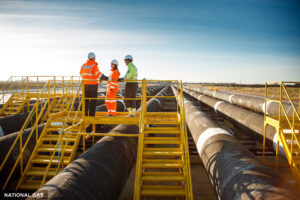
The Clean Energy Park would redevelop a 230 acre underused industrial site on the River Tyne and create 400 metres of new deepwater quay. The facility is intended to support the construction, marshalling and maintenance of North Sea offshore wind projects, alongside advanced manufacturing.
Government and port projections, based on work by WSP, suggest the development could support as many as 12,000 jobs and contribute £5.6bn to the regional and national economy. Those figures represent the estimated wider impact of the completed development and associated supply chain activity, rather than jobs already contracted.
The project is the eighth to join the government’s Lead Environmental Regulator programme. The model is designed for developments requiring decisions from several environmental bodies, where sequential engagement can create delay and uncertainty even when the underlying environmental requirements are clear.
Avoidable risk
Port of Tyne first unveiled a large clean energy terminal plan in September 2025, then described as a £150mn investment incorporating new and redeveloped heavy-lift quays. The latest government announcement puts the proposed investment at £175mn and specifies 400 metres of new deepwater quay, suggesting that the scope and cost have continued to evolve.
The port already has a prospective anchor role in offshore wind. Ørsted selected the Tyne Clean Energy Park as the marshalling base for the Hornsea 3 project, strengthening the commercial rationale for heavy-lift infrastructure and large component storage areas.
Previous public backing also provides institutional support, although it should not be confused with funding for the latest proposal. In 2023, the then UK Infrastructure Bank, now the National Wealth Fund, committed up to £50m as part of a broader refinancing package for the port’s regeneration and expansion plans.
The immediate announcement does not provide a new grant, award consent or commit the port to construction. Environmental assessments, commercial contracting and project finance still need to progress before an investment decision can be taken.
Its significance lies instead in the enabling infrastructure problem facing UK offshore wind. Successive leasing rounds and generation targets have created a large prospective project pipeline, but deployment depends on ports capable of handling larger turbines, foundations and installation vessels. Those facilities require investment several years before the associated wind farms begin generating revenue.
That creates a coordination problem. Ports need confidence in the offshore wind pipeline before committing capital, while developers need credible port capacity to keep projects on schedule. Planning delays make that circular dependency more expensive.
A lead regulator cannot resolve uncertain turbine orders or finance a new quay. It can, however, reduce one avoidable source of risk. The test will be whether coordinated regulation produces firm, timely decisions rather than simply adding another administrative layer to a project that remains proposed rather than committed.