

- A “heat dome” over western Europe drove temperatures more than 10°C above normal, smashing May records in Paris, Madrid, London, Dublin and Berlin.
- Britain recorded 34.8°C at Kew Gardens on 25 May, breaking the UK’s previous May record and marking the hottest public‑holiday temperature ever.
- Extreme heat strains electricity grids, boosts cooling demand and underscores the need for adaptation measures alongside emissions cuts.
An intense “heat dome” parked over western Europe delivered a premature summer heatwave in late May, sending thermometers to levels normally seen in July or August.
From Paris to London and Madrid, records were smashed as temperatures climbed more than 10°C above normal. For energy planners, the unseasonal heat is not just an anomaly – it is a warning about how climate change will test infrastructure and supply resilience.
Meteorologists describe the heat dome as a high‑pressure system that traps warm air like a lid, preventing cloud formation and producing scorching conditions. The phenomenon pushed May temperatures above 40°C in parts of Spain and above 30°C in northern Europe.
In Britain, the mercury reached 34.8°C at Kew Gardens, surpassing the previous May record of 32.8°C. The Met Office said the likelihood of such early‑season heat has tripled due to anthropogenic climate change.
France saw more than 350 towns and cities register their highest May temperatures ever, while meteorologists predicted the heat dome could push parts of Spain towards 40°C. The event followed an exceptionally warm spring across the continent, with April also setting temperature records.
Scientists warn that Europe’s heatwave season is starting earlier and lasting longer, as global warming shifts baseline temperatures upward and alters atmospheric circulation.
Vicious cycle
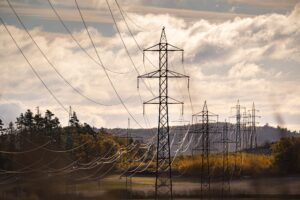
Such extremes have immediate energy implications. During the May heatwave, electricity demand for air conditioning and refrigeration spiked, adding stress to grids already strained by high gas prices and supply disruptions.
In the UK, the record heat occurred amid speculation about the July energy price cap, highlighting the vulnerability of households and businesses to weather‑driven costs. Elsewhere, hydropower reservoirs already depleted by drought were drained further as water evaporated and demand increased.
Heat also has knock‑on effects on fuel supply: hotter temperatures can reduce the efficiency of gas turbines and coal plants, leading to lower output and higher emissions.
Heatwaves have previously forced nuclear reactors in France and Germany to reduce output because rivers were too warm to provide cooling water. A prolonged heat dome could again trigger such constraints.
Resilience
The May heatwave underscores that climate change is not a distant threat – it is altering weather patterns now. Energy systems must be hardened to withstand more frequent and intense heat events; this means investing in cooling‑resilient infrastructure, demand‑response programmes and weather‑forecasting integration into power planning.
For the UK, the heat dome should accelerate conversations about urban heat‑island mitigation, building efficiency standards and resilient grid design. At the same time, the event reinforces the underlying case for rapid emissions reductions to slow the pace of warming.
Without decisive action, the heat will only intensify, and the costs – to health, productivity and the energy system – will mount.