
- UK solar installations have reached their highest level in a decade, driven by rising energy bills and consumer demand.
- The milestone marks a shift toward a decentralised, consumer-led transition and underscores public concerns over rising energy costs and supply reliability.
- The trend also highlights the growing role of households in the energy system.
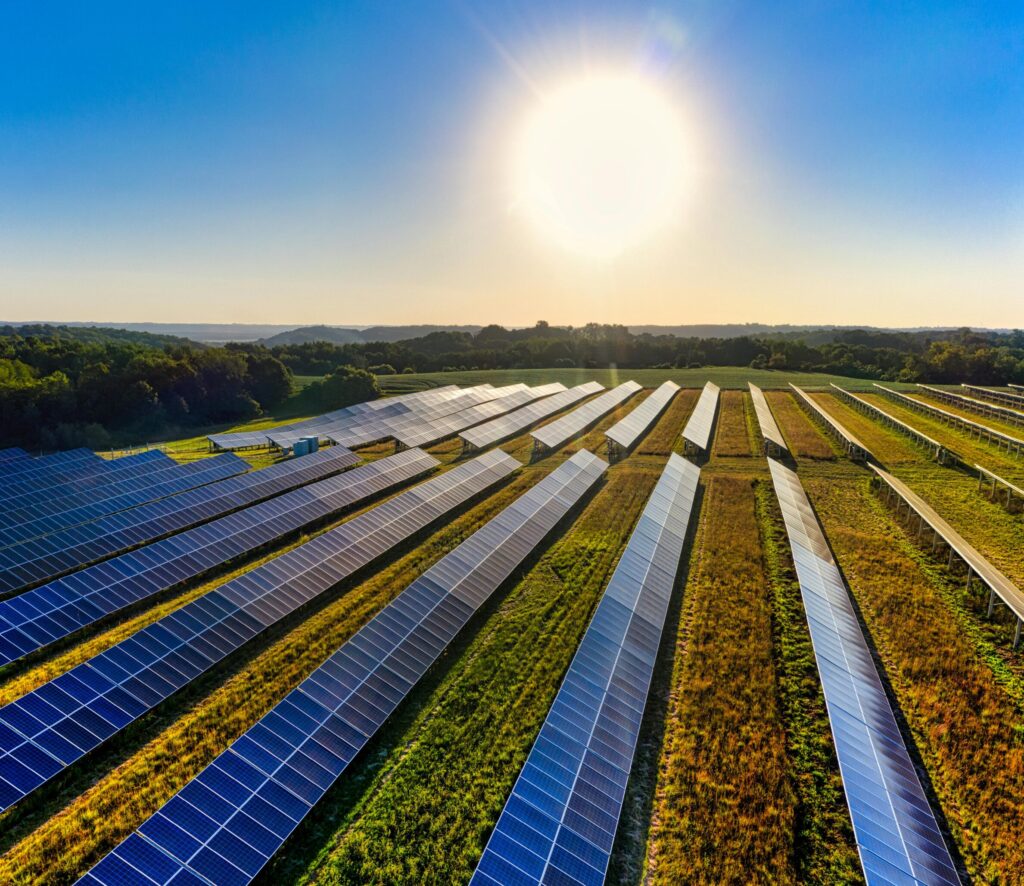
Solar power installations across the UK have surged to their highest level in a decade, as households respond to rising energy costs by investing in their own generation capacity.
Data reported by Reuters shows a sharp increase in rooftop solar adoption, with March figures marking a significant milestone for the sector.
The growth reflects a fundamental shift in how the energy transition is being driven. While policy and large-scale projects have historically dominated, consumer behaviour is now playing an increasingly important role.
Rising electricity prices have made solar installations more financially attractive, shortening payback periods and encouraging homeowners to invest. Advances in technology and falling equipment costs have further supported uptake.
The trend also highlights the decentralisation of the energy system. Distributed generation allows households to reduce reliance on the grid and, in some cases, sell excess power back into the system.
For the UK, this presents both opportunities and challenges. On the one hand, increased solar adoption supports decarbonisation and reduces demand on centralised generation. On the other, it introduces new complexities in grid management, particularly around balancing and distribution.
The surge in installations also underscores the limitations of traditional policy approaches. While government incentives and frameworks remain important, market signals – particularly price – are proving to be powerful drivers of change.
Looking ahead, the key question is sustainability. Whether the current pace of growth can be maintained will depend on factors including energy prices, policy support and the capacity of the supply chain.
For the energy sector, the rise of consumer-led generation represents a structural shift. Utilities, network operators and policymakers will need to adapt to a system in which demand and supply are increasingly distributed and dynamic.
The broader implication is that the transition is becoming more participatory. Households are no longer passive consumers, but active participants in the energy system.