Hormuz shutdown cripples global shipping and fuels energy security fears

Facebook
Twitter
LinkedIn
Pinterest
Pocket
WhatsApp
  • Shipping through the Strait of Hormuz has collapsed by about 88%, with daily transit of crude, fuel and LNG carriers down from roughly 70 vessels pre‑war to fewer than six since March, according to Reuters.
  • Middle‑Eastern crude exports have halved, falling from 75 million tonnes per month to about 36 million.
  • Crude‑tanker rates from the Middle East to Asia topped $500,000 per day and remain well above pre‑crisis levels.

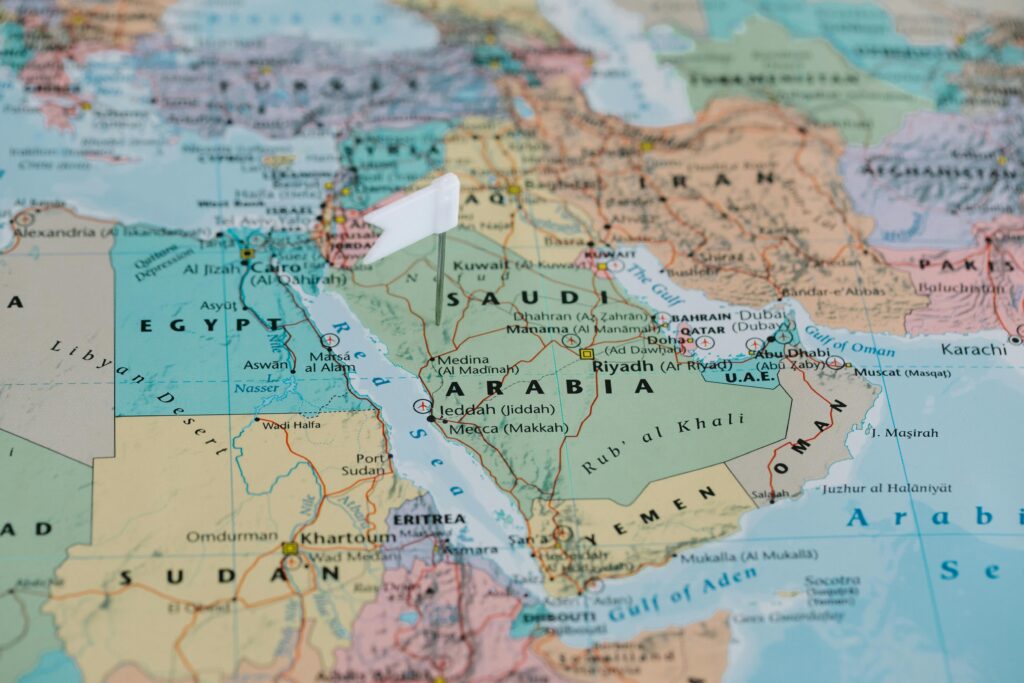
The war in Iran has turned the world’s busiest energy corridor into a bottleneck. At the narrow Strait of Hormuz a lifeline for oil and LNG shipments from the Gulf traffic has slowed to a trickle, throttling supplies and fanning fears of a global energy crunch.

With only a handful of tankers daring to navigate the waters each day, the disruption is reverberating through energy markets and raising tough questions about energy security in Europe and Britain.

Before US and Israeli airstrikes in late February, roughly 70 vessels carrying crude, fuel or LNG traversed the Strait of Hormuz daily. Three months on, that number has plunged to fewer than six a day.

Cargoes that normally represented about a fifth of global oil and LNG supply have all but vanished. Major importers such as China, India and Pakistan are scrambling for alternative routes, while about 20,000 seafarers remain stranded on hundreds of vessels trapped in the Gulf.

The collapse in shipping has crippled Middle Eastern export flows. Monthly crude loadings from the region have fallen from 75 million tonnes to around 36 million. Even though US and Latin American exporters have boosted output, global crude loadings are down roughly 8% and fuel exports nearly 9%.

Shipping rates for crude tankers on the Middle East–Asia route spiked above $500,000 a day at the height of the crisis and remain near $390,000. LNG tankers have also been caught up in the turmoil; data show that Qatar‑chartered vessels Fuwairit and Al Rayyan, and Abu Dhabi’s Al Hamra, slipped through the strait only recently, delivering cargoes to Pakistan, China and India.

Such disruption has fed directly into global prices. Oil futures jumped sharply after renewed Iranian and US strikes in late May, reversing earlier declines spurred by speculation about peace talks. Investors see no quick resolution: with inventories sliding, Dallas Federal Reserve President Lorie Logan warned that global oil and gas consumption may need to decline even more sharply if the strait remains closed.

Diversification

For Britain and Europe, the stakes are acute. Higher oil and LNG costs are already feeding into wholesale energy prices and inflation expectations. The UK energy price cap will rise by 13% in July, largely because wholesale gas costs reflect Middle East risk.

Energy traders fear further supply squeezes if violence escalates or spreads to Saudi Arabia and the UAE. Government energy policies ranging from North Sea licensing to renewable‑project acceleration will likely be framed through the lens of resilience rather than emissions reduction.

The crisis has also spotlighted the need for diversified import routes and storage; ports in Oman and Iraq are emerging as strategic pivots, though they cannot fully offset Hormuz volumes.

The Hormuz shutdown is a stark reminder that the energy transition sits atop a fragile geopolitical foundation. High prices and supply fears are forcing governments to balance climate ambitions against the imperative of keeping the lights on.

For UK companies, the crisis underscores the value of diversified portfolios: investments in North Sea gas, LNG import terminals and low‑carbon infrastructure all become insurance policies against geopolitical shocks. Policymakers, meanwhile, may view the turmoil as justification for accelerating domestic renewables, storage and hydrogen projects not simply to cut emissions, but to shield Britain from the vagaries of global supply.

Author

Facebook
Twitter
LinkedIn
Pinterest
Pocket
WhatsApp

Never miss any important news. Subscribe to our newsletter.

Recent News

Editor's Pick