
- Cheniere Energy Partners signed an agreement with Bechtel to design and build Train 7 and related infrastructure for the first phase of the Sabine Pass LNG expansion, expected to add over 6 million tonnes per year (mtpa) of capacity and reach final investment decision by early 2027.
- Chevron has requested to acquire a 70% stake in Block 2 off Greece’s Ionian Sea from Helleniq Energy, becoming operator and leading exploration.
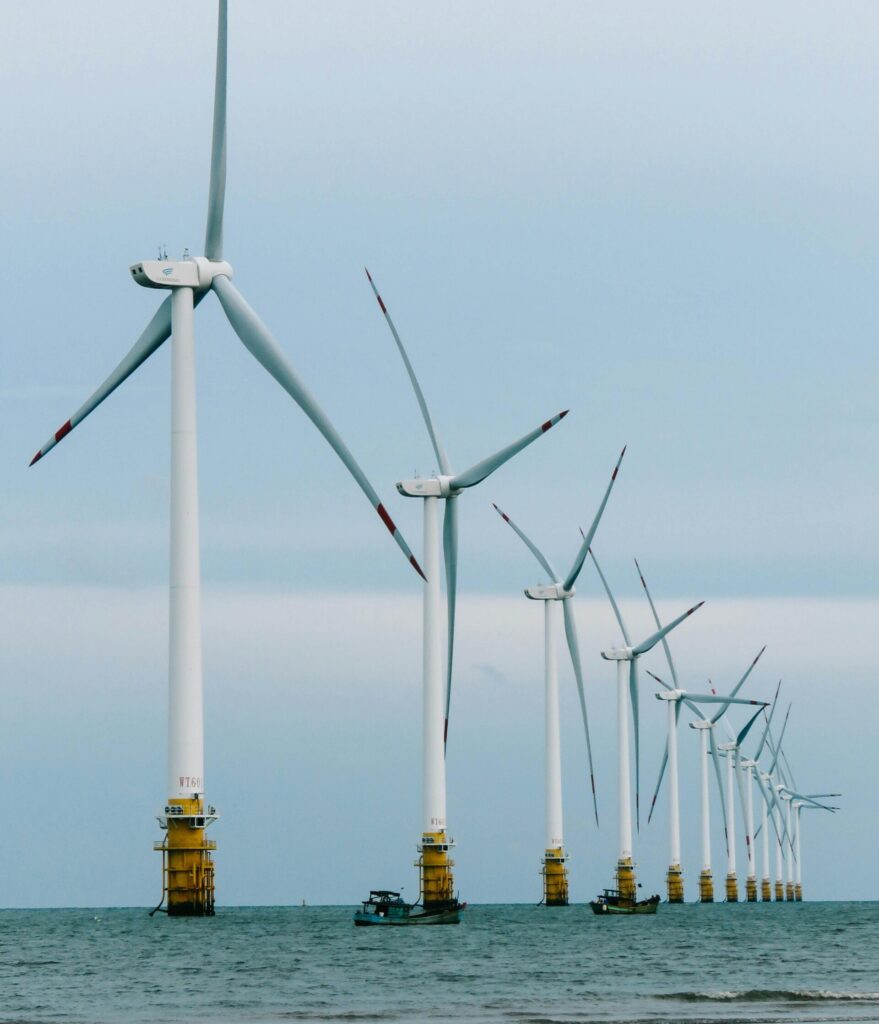
- TotalEnergies filed for authorisation to build a 1.5 GW offshore wind project (Centre Manche 2) in Normandy, representing a €4.5 billion investment and employing up to 2,500 workers during construction.
Recent corporate moves across the Atlantic and Europe reveal a split personality in global energy investment. In the US, Cheniere Energy Partners is pushing ahead with a major liquefied natural gas (LNG) expansion, while Chevron seeks new gas prospects in Greek waters.
Simultaneously, France’s TotalEnergies is doubling down on offshore wind with a €4.5 billion project off Normandy. The deals highlight how companies are balancing immediate demand for gas with long‑term bets on renewables.
At the heart of the US gas boom is Cheniere Energy Partners’ decision to move forward with Train 7 at its Sabine Pass terminal in Louisiana. The company signed a contract with engineering giant Bechtel to perform early engineering and procurement for the first phase, which includes Train 7, a boil‑off gas re‑liquefaction unit and supporting infrastructure.
Cheniere expects to reach a final investment decision by early 2027 and says the expansion will add more than 6 mtpa of LNG capacity to the terminal’s existing 30 mtpa. The project underscores the resilience of U.S. gas exports, which have become critical for Europe and Asia as Middle‑East supply falters.
Across the Atlantic, Chevron has filed a request to acquire a 70% stake in Block 2 in Greece’s Ionian Sea from Helleniq Energy. The move would make Chevron operator of the block, allowing it to lead exploration efforts. Greece’s energy ministry said it may grant additional time to evaluate seismic data before drilling.
For Greece, the investment could help unlock domestic gas reserves and reduce reliance on imports. For Chevron, it is part of a broader strategy to expand its gas portfolio outside the US and compete with European majors in the Eastern Mediterranean.
The renewables side of the ledger is exemplified by TotalEnergies’ filing for the Centre Manche 2 offshore wind project. According to a release quoting Reuters, the 1.5 GW wind farm off Normandy will require around €4.5 billion of investment and create up to 2,500 jobs during its three‑year construction. The project adds to France’s growing offshore wind pipeline and supports the EU’s target of 111 GW of offshore wind by 2030. For TotalEnergies, it is another step in a strategy that pairs upstream oil and gas with large‑scale renewables.
Collectively, these deals illustrate a two‑track approach to the energy transition. On one hand, companies are expanding LNG capacity and exploring new gas prospects to meet rising demand and replace disrupted supplies. On the other, they are investing in offshore wind and other renewables to align with long‑term climate goals.
Both tracks require massive capital, skilled labour and supportive regulation. They also highlight the regional nature of energy opportunities – US LNG for export, Mediterranean gas for local markets, and North Sea‑style offshore wind for Europe.
Lock-in risk
The juxtaposition of gas and wind investments reveals the complexity of the transition. Gas projects like Sabine Pass and Block 2 may deliver returns sooner and shore up supply security, but they risk creating lock‑in long term if demand for LNG declines.
Offshore wind projects, meanwhile, offer emissions‑free power and industrial jobs but face supply chain challenges and permitting delays. For UK industry, this duality presents opportunities: participate in US LNG expansions as buyers or investors; explore Mediterranean prospects via partnerships; and leverage expertise in offshore wind to capture contracts in France and beyond.
To navigate the transition profitably, companies must balance short‑term hydrocarbons with long‑term renewables – and policymakers must provide consistent signals to support both.