
- London Mayor Sadiq Khan has conceded that London is unlikely to reach net‑zero carbon emissions by 2030 due to limited control over the energy grid.
- Khan blamed the shortfall on a lack of devolution in energy policy. He argued that if London had an integrated funding settlement and authority over the energy grid, it could better coordinate climate initiatives.
- Green Party Assembly member Zack Polanski criticised the Mayor’s siloed approach and called for more joined‑up action.
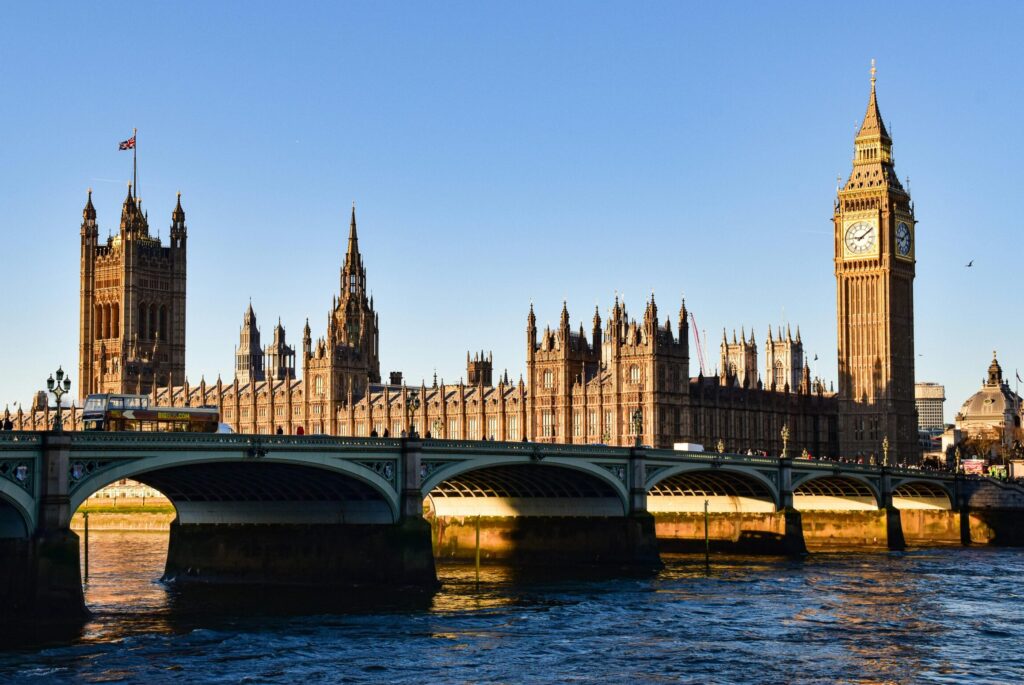
During a televised Mayor’s Question Time last week, London’s mayor Sir Sadiq Khan made a rare admission: the capital will probably miss his ambitious target of reaching net‑zero carbon emissions by 2030.
Responding to Green Party Assembly member Zack Polanski, Khan said his administration’s policies – including the Ultra‑Low Emission Zone (ULEZ) expansion and electrification of London’s bus fleet – had reduced emissions in areas under his control.
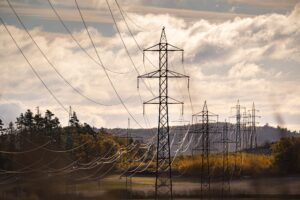
However, he explained that because London’s electricity grid still depends heavily on fossil fuels, the city cannot decarbonise fully without greater control over energy infrastructure.
Khan emphasised that the Greater London Authority (GLA) group, which includes Transport for London and the London Fire Brigade, is on course to meet internal net‑zero targets. The wider city, though, faces constraints.
The Mayor lamented that climate programmes are funded through multiple pots, making coordination difficult. He called for an “integrated settlement” in which monies devolved to London could be used flexibly across transport, housing and energy. Without such powers, he warned, Londoners would see progress in some sectors but insufficient overall change.
Polanski said the mayor’s initiatives were “siloed” and lacked synergy. Khan conceded that the criticism was fair, noting that an integrated approach would allow City Hall to leverage procurement across public services to drive clean markets. He also highlighted the need to retrofit buildings and push for a clean energy grid.
Khan originally pledged the 2030 target during his 2020 re‑election campaign, positioning London as a global climate leader. By acknowledging the city will miss the goal, he risks criticism from both environmentalists and opponents who argue the target was unrealistic.
Yet his call for energy devolution aligns with broader debates about giving cities greater powers to decarbonise. The exchange underscores the importance of integrated policy design: decarbonising transport, buildings and power cannot be done in isolation, and control over energy networks may be essential.
Businesses engaged in retrofitting, local energy systems and grid flexibility should watch for potential policy shifts as London seeks more autonomy.