
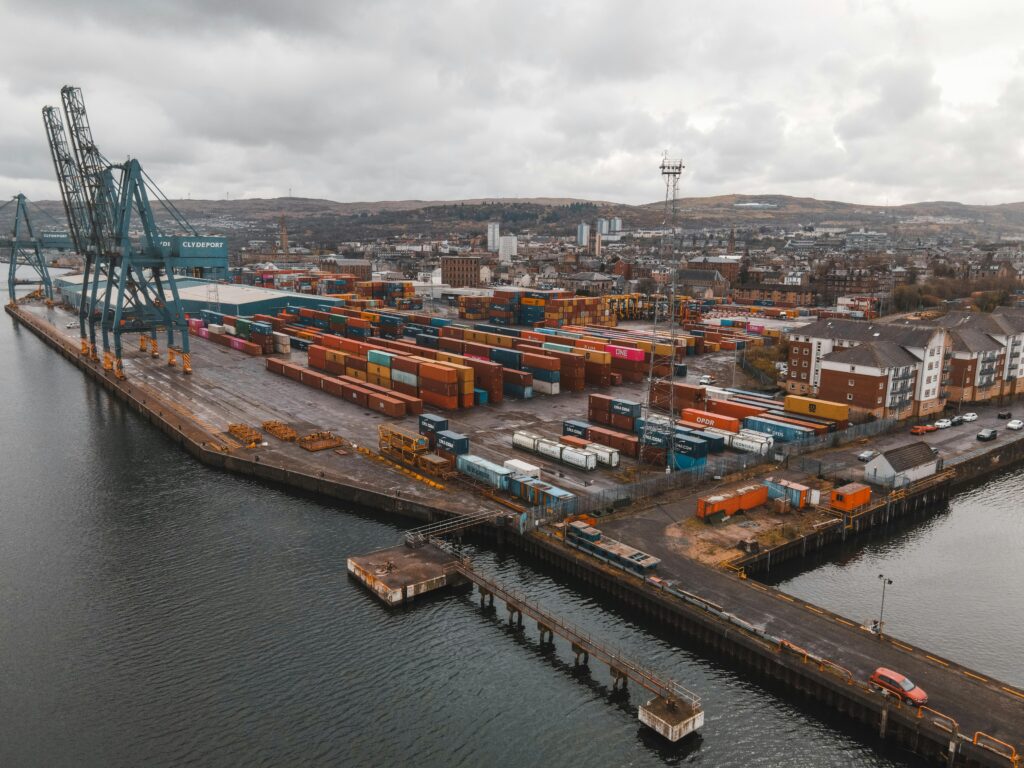
- The UK’s National Wealth Fund (NWF) has agreed to provide £200 million in financing to Associated British Ports (ABP) as part of a £300 million upgrade programme across its ports.
- Funds will support a further upgrade to the Port of Lowestoft to expand offshore wind operations and enhancement works at the Port of Ipswich to service the Sizewell C nuclear project.
- The NWF’s commitment is accompanied by a commercial tranche from private banks, including Bank of America, Lloyds and NatWest. The fund says the structure will accelerate capital deployment and enable aggregation of smaller strategic projects.
The UK’s National Wealth Fund (NWF) has announced a £200 million investment in Associated British Ports to upgrade key port facilities, aiming to support the offshore wind boom and preparations for the Sizewell C nuclear project.
The investment is part of a £300 million package that includes financing from major banks and will create hundreds of jobs across Suffolk. Officials say the initiative will boost regional economies and strengthen supply chains for clean‑energy projects.
Associated British Ports operates 21 ports around the UK and is a critical hub for offshore wind components and other energy infrastructure. Upgrading ports is essential as turbines grow larger and require specialised facilities for assembly and installation.
The investment at Lowestoft will expand capacity to service offshore wind operations, reflecting the region’s growing role as a staging point for North Sea wind farms. Enhancements at Ipswich will support the supply chain for the Sizewell C nuclear plant, a project expected to provide 3.2 GW of low‑carbon power.
Investment and regeneration
The NWF, created to drive investment in UK infrastructure and green industries, emphasises that the funding will not only modernise ports but also catalyse wider economic benefits.
Chief executive Oliver Holbourn said the goal is to “accelerate investment and regeneration across the UK’s regions,” adding that the funding will unlock potential in communities that have historically powered the economy.
The scheme aims to aggregate smaller but strategically important projects, enabling coordinated development and efficient deployment of capital.
The involvement of private lenders such as Bank of America, Lloyds and NatWest signals confidence in the investment’s commercial viability. The blended financing approach reduces risk for the public sector and leverages private capital.
Ports minister Keir Mather described ports as the “lifeblood” of the economy and said the upgrades will provide long‑term economic and social benefits. For businesses, improved ports could reduce logistics costs and shorten project timelines for offshore wind and nuclear construction.
From a broader perspective, investment in port infrastructure is critical for the UK to maintain a competitive edge in the global transition to clean energy. Other countries, particularly in Europe and Asia, are also expanding port capacity to support offshore wind.
Delays or bottlenecks can add significant costs to projects and undermine supply chain resilience. By proactively upgrading its ports, the UK signals to investors that it is serious about developing a domestic industrial base for renewables and nuclear energy.