
- Equinor and its partners have scrapped plans to power the Wisting oilfield with electricity from shore, citing high costs and technical complexity.
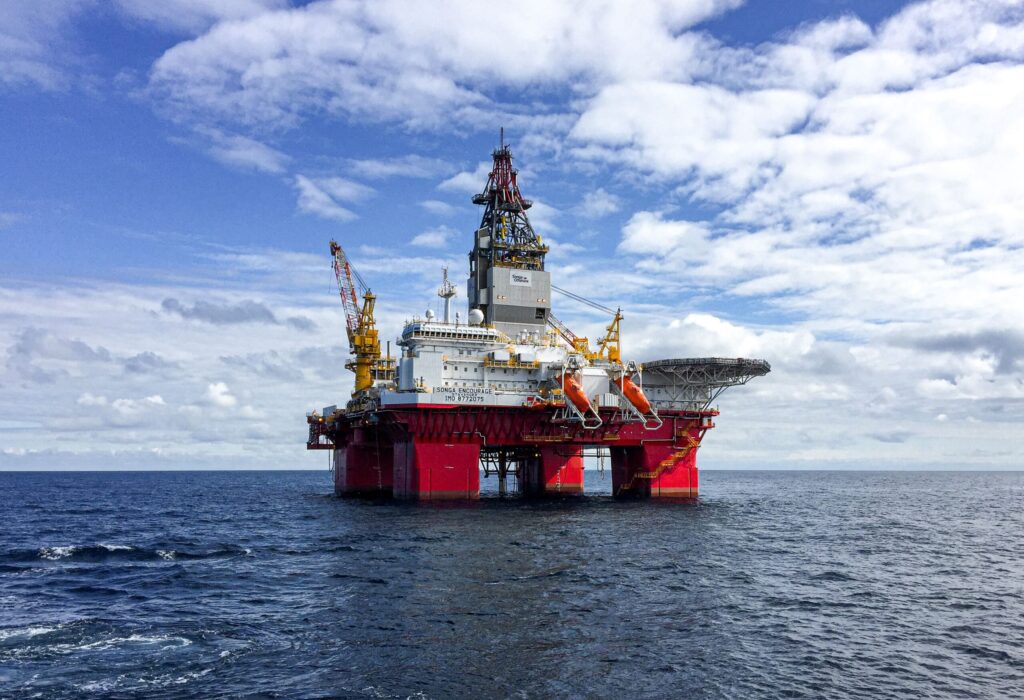
- Wisting, the largest undeveloped discovery on the Norwegian continental shelf with around 500 million barrels of oil, will instead be developed with a floating production, storage and offloading (FPSO) vessel using a gas turbine power plant.
- The decision follows Equinor’s broader retrenchment from some renewable projects and signals the difficulty of electrifying offshore production in remote Arctic waters.
Norway’s state‑controlled energy company Equinor has abandoned plans to supply the Wisting oilfield with electricity from shore, opting instead for a gas‑turbine solution.
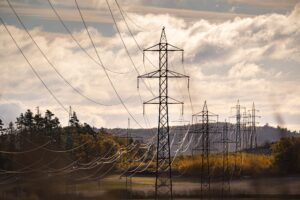
Wisting, discovered in 2013 and located in the Barents Sea, contains an estimated 500 million barrels of oil. It is the largest undeveloped discovery on Norway’s continental shelf. Electrifying it from shore – essentially laying hundreds of kilometres of high‑voltage cables to connect the field to mainland hydro and wind power – had been viewed as a way to slash emissions from production. But Equinor said the idea had proved technically complex and prohibitively expensive.
Under the revised plan, Wisting will be developed using a floating production, storage and offloading vessel equipped with a gas‑turbine power plant. The final investment decision is expected by the end of 2027.
Equinor and its partners, including Norway’s state‑owned Petoro and OMV of Austria, said they will explore carbon capture and storage options to mitigate the emissions associated with the gas‑turbine solution. The field is projected to produce for about 30 years, meaning its climate impact will be felt into the late 2050s unless robust mitigation measures are adopted.
The decision reflects a broader recalibration of Equinor’s energy transition strategy. Over the past two years the company has scaled back its renewable ambitions, dropping its 2030 target for renewable capacity and retreating from offshore wind projects in Japan and elsewhere.
While the company remains committed to reducing its overall emissions intensity, it has emphasised profitability and disciplined capital allocation. Electrifying Wisting would have entailed building expensive onshore infrastructure and undersea cables in one of the world’s harshest environments. By contrast, a gas‑turbine FPSO is a proven, if more carbon‑intensive, solution.
Environmental groups criticised the move, arguing that electrification is essential to decarbonising oil and gas production. The Norwegian government has urged operators to electrify offshore fields where feasible, partly to free up gas for export to Europe’s power plants.
However, industry analysts note that not all fields are suitable for electrification: remote locations, deep waters and limited onshore grid capacity can make such projects uneconomic. The case of Wisting underscores the tension between Norway’s ambition to be a leader in low‑carbon energy and its status as a major oil and gas exporter.
For UK companies working in the North Sea, the decision offers mixed lessons. It suggests that electrification from shore may not be viable for all remote fields, especially in Arctic or ultra‑deepwater settings. Hybrid solutions combining gas turbines with carbon capture or partial electrification may become more common.
At the same time, the need for carbon‑capture technologies and emissions‑monitoring services will grow. The Wisting experience shows that the path to decarbonising upstream oil and gas will involve trade‑offs and that cost realities cannot be ignored.