

- The European Commission is drafting a proposal to set a minimum share of energy consumption supplied by electricity by 2040. The plan envisions electrification as a “matter of sovereignty” and calls for a radical shift away from fossil fuels.
- Measures could include mandatory heat pumps in public buildings, subsidies and VAT reductions to accelerate adoption of electric vehicles and heat pumps, and phasing out fossil fuel subsidies.
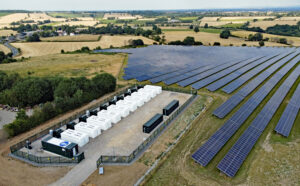
- The plan proposes to expand European storage capacity to about 200 GW by 2030 to cope with variable renewable generation and electrified demand.
As Europe grapples with the energy shock triggered by the Iran war, Brussels is preparing an ambitious response: a plan to electrify the continent’s energy consumption at unprecedented scale.
A draft proposal calls for the European Union to set a minimum share of energy consumption that must be supplied by electricity by 2040, according to media reports. The exact percentage is still under discussion but is expected to be high enough to ensure that electric technologies – vehicles, heat pumps and industrial processes – dominate the energy mix.
The Commission argues that electrification is now a strategic imperative, not just a climate policy. In the wake of the war, the EU has found itself paying tens of billions of euros more for imported fossil fuels and scrambling to replace disrupted supplies. Widespread electrification could, according to Euronews, save roughly €200 billion in fossil fuel imports by 2040 and insulate the economy from price shocks.
The draft plan suggests phasing out subsidies for oil and gas and using the proceeds to fund electrification incentives, including VAT cuts on electric vehicles and heat pumps. Heat pumps could be mandated in public buildings, and new build standards would require electric heating. Industry would receive support to electrify high‑temperature processes traditionally powered by gas or oil.
Another element is storage. To manage the variability of wind and solar power, the Commission plans to raise storage capacity to about 200 GW by 2030. This would likely involve large‑scale batteries, pumped hydro and emerging technologies like hydrogen storage.
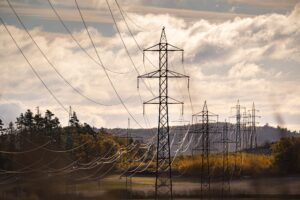
The plan also stresses grid expansion: thousands of kilometres of new high‑voltage lines will be needed to move renewable electricity from generation centres to demand hubs. A forthcoming network action plan will identify priority corridors and propose streamlined permitting to cut construction times.
Yet even supporters recognise the challenges. Electricity prices in much of Europe remain high, partly due to taxes and levies that fund renewable subsidies and network costs. Without reforms, consumers switching from gas to electric heating may face higher bills.
Grid capacity is another constraint: distribution networks were designed for one‑way flows and will need reinforcement to handle millions of EV chargers and heat pumps. The Commission intends to look at social tariffs and targeted subsidies to protect low‑income households and is considering shifting some costs off electricity bills and onto general taxation.
For the UK, which is no longer in the EU but remains intertwined with European energy markets, the plan is instructive. Britain’s energy strategy also leans heavily on electrification – decarbonising heat through heat pumps, shifting transport to EVs, and electrifying parts of industry. If the EU moves aggressively toward a predominantly electric system, it will influence technology costs, supply chains and regulatory standards.
UK policymakers will need to decide whether to align with EU rules to maintain market access or take a divergent approach. Either way, the scale of investment in networks and storage implied by the EU proposal underscores the urgency of resolving the UK’s own grid bottlenecks.