
- Japanese utility JERA has created JERA Global Energy Solutions (GES) in Singapore to consolidate strategy, procurement and investments across its liquefied natural gas (LNG) and low-carbon fuel value chains.
- The new unit will develop a stable and diversified long-term LNG portfolio while advancing ammonia and hydrogen projects, working alongside JERA’s existing trading arm, JERA Global Markets, which handles short-term contracts.
- Irtiza Sayyed, a former Exxon executive, will lead GES; 13 employees began operations on 1 July, and more staff will be seconded from headquarters.
In an effort to streamline its sprawling fuel portfolio and prepare for a lower-carbon future, Japan’s utility giant JERA has launched a new subsidiary in Singapore.
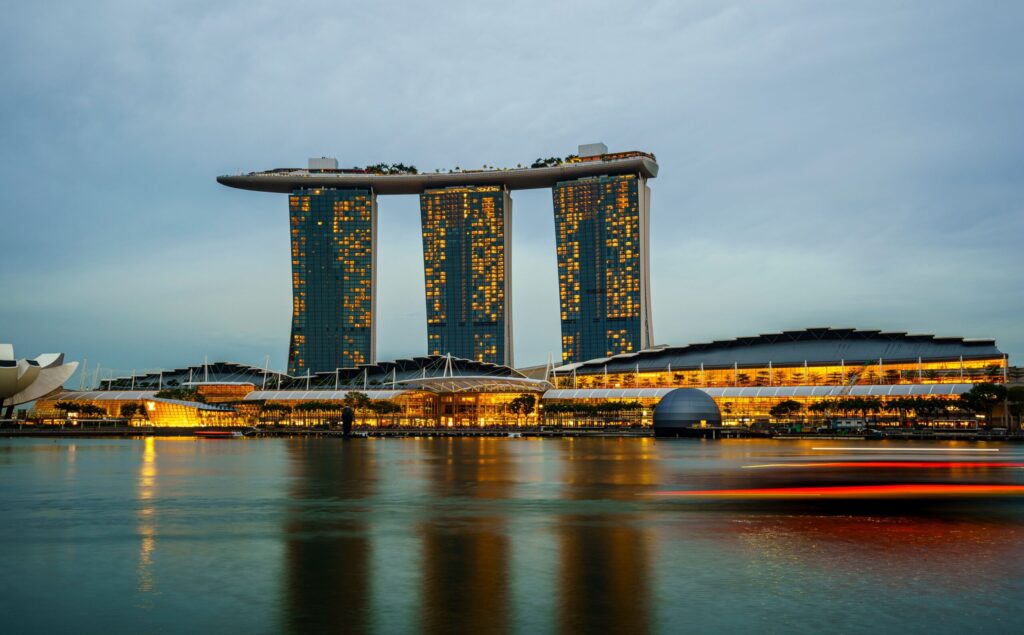
The company announced on Wednesday that JERA Global Energy Solutions (GES) will integrate strategy planning, procurement and investments across its LNG and low-carbon fuels businesses. By centralising these functions in one of Asia’s major commodity hubs, JERA hopes to make its supply chain more nimble amid volatile markets and accelerate the adoption of emerging fuels such as ammonia and hydrogen.
JERA is already the world’s largest single buyer of LNG, handling roughly 35-40 million tonnes per year. It has historically managed procurement through two separate arms: JERA Global Markets (JERAGM), which trades LNG, power, coal and freight from Singapore, and the parent company in Tokyo, which negotiates long-term contracts.
The creation of GES bridges this divide. According to a company statement, GES will be JERA’s exclusive platform for long-term LNG origination, while JERAGM will focus on trading and contracts shorter than five years.
The integration reflects JERA’s recognition that supply security and flexibility are increasingly important in a decarbonising world. Disruptions stemming from the Iran war and the closure of the Strait of Hormuz have shown how quickly LNG flows can be curtailed. At the same time, JERA has pledged to reduce emissions in line with Japan’s 2050 net-zero target.
Developing a diversified LNG portfolio – including sources in the US, Qatar, Australia and emerging suppliers – helps manage geopolitical risk, while investments in ammonia and hydrogen enable the company to transition some of its gas-fired plants to cleaner fuels. JERA is already co-firing ammonia at its Hekinan thermal power plant and testing hydrogen blends in gas turbines.
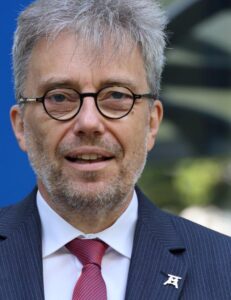
The new unit will be led by Irtiza Sayyed, who joined JERA in April after two decades at Exxon Mobil. Sayyed’s remit is to build relationships with upstream LNG developers, shipowners, ammonia and hydrogen producers, and financial institutions.
Ryosuke Tsugaru, JERA’s chief low-carbon fuel officer, will oversee strategic alignment from Tokyo. JERA said 13 employees started work at GES’s Singapore office on 1 July, with more to follow.
Asian LNG boom
By consolidating long-term contracting in Singapore, JERA is joining other Asian utilities that are reshaping LNG trading. Kogas of South Korea and CPC of Taiwan have expanded Singapore offices to access financing and arbitrage opportunities.
JERA’s move signals that Asian buyers are deepening their presence in global LNG markets and will increasingly compete for supply from US and Middle Eastern projects. It also illustrates how Japanese utilities are preparing to blend hydrogen and ammonia into gas portfolios – a trend that could set standards and open export markets for UK hydrogen developers.
The timing is significant. With the Hormuz transit crisis gradually easing and global LNG prices softening, buyers are locking in long-term contracts ahead of a wave of new liquefaction projects. At the same time, Japan’s government has launched a Green Transformation (GX) programme offering subsidies for hydrogen and ammonia imports.
JERA GES will likely leverage these incentives to secure fuels for co-firing and to invest in overseas production facilities. By basing the unit in Singapore, JERA gains access to international banks and trading firms while remaining within a regulatory environment that supports commodity hedging.
For JERA, the success of GES will be judged on its ability to balance energy security with decarbonisation. LNG will remain a core fuel for Japan for at least the next two decades, but the company must also prepare for declining gas demand as renewables and nuclear rebound.
The integrated structure provides a platform to pivot from LNG to cleaner fuels without disrupting supply. Other utilities may follow suit, consolidating procurement and low-carbon initiatives to manage volatility and scale new technologies.