
- OPEC+ agreed on 5 July 2026 to raise collective output targets by 188,000 barrels per day (bpd) from August, marking the fifth consecutive monthly increase.
- The United Arab Emirates, having exited OPEC+ quotas on 1 May, ramped up crude output to more than 3.8 million bpd, near record levels.
- Oil prices remained around $72 per barrel as improved tanker traffic through the Strait of Hormuz eased supply fears and oversupply concerns dominated.
Oil markets barely moved after OPEC and its allies announced a symbolic output increase and Saudi Arabia slashed its flagship crude price, signalling that the cartel is prioritising market share as the threat of a supply shock fades.
On 5 July, the OPEC+ coalition agreed to lift quotas by 188,000 barrels per day starting in August, even as exports through the Strait of Hormuz resumed and inventories ticked up.
Saudi Arabia responded by cutting its Arab Light official selling price for August to Asia by $1.50 per barrel below the Oman/Dubai average – the largest reduction since at least 2003.
The latest OPEC+ decision was reached in a virtual meeting attended by Saudi Arabia, Russia, Iraq, Kuwait, Kazakhstan, Algeria and Oman. It marks the fifth incremental rise since February and adds to similar increases for June and July.
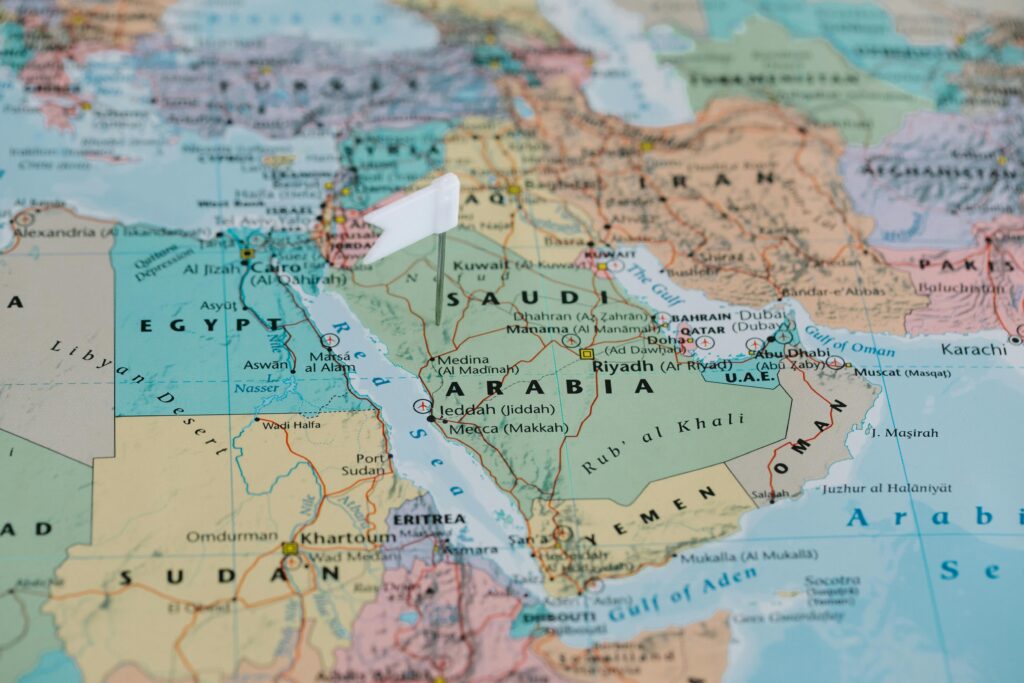
Taken together, the hikes gradually unwind the group’s 2023 voluntary cuts of 1.65 million bpd. However, much of the additional quota is not immediately deliverable: Iran war disruptions closed the Hormuz strait earlier this year, capping exports from Saudi Arabia and Kuwait and forcing tankers to reroute.
As shipping lanes reopened and previously stranded cargoes sailed, more oil reached the market, pressuring prices down to levels last seen before the war.
Saudi Arabia’s unprecedented price cut underscores its pivot. The Kingdom typically sets its official selling price (OSP) relative to Oman/Dubai benchmarks and uses price adjustments to manage customer allocations. By discounting its Arab Light crude by $1.50/barrel – its steepest reduction in 23 years – Riyadh signalled willingness to sacrifice margins to retain market share in Asia, where refiners can switch between Middle Eastern and US barrels.
Saudi Aramco’s cut sets the tone for other Gulf producers: buyers expect Iranian, Kuwaiti and Iraqi OSPs to follow suit.
Meanwhile, the UAE continued to test the group’s cohesion. After leaving OPEC+ quotas in May, Abu Dhabi raised output to about 3.8 million bpd, arguing that its investment in upstream capacity should not be constrained by the cartel.
Analysts say the UAE’s move could foreshadow a broader breakdown in discipline if prices remain subdued. Yet the market reaction to the output increase and price cut was muted: Brent crude slipped just 0.06% to $72.08/barrel, while West Texas Intermediate fell by 0.1%.
The latest OPEC+ moves create both challenges and opportunities. Lower crude prices translate into cheaper gasoline and diesel, easing inflationary pressure and potentially reducing the costs of transporting equipment and materials for renewable projects. However, persistent price weakness could also undermine investment in the North Sea, where smaller independent operators rely on higher prices to justify drilling.
The UAE’s production surge may embolden other producers to disregard quotas, further saturating the market. If oversupply persists, OPEC+ might attempt deeper cuts later this year, though internal divisions could hamper coordination.