
- Spain and Portugal have inaugurated a new 400 kV double‑circuit transmission line between Ponte de Lima (Portugal) and Beariz (Galicia, Spain), adding 1 GW of cross‑border transfer capacity.
- The link raises exchange capacity to 4,200 MW from Spain to Portugal and 3,500 MW in the opposite direction and enables integration of 281 GWh of additional renewable electricity annually.
- The interconnection, supported by the EU as a Project of Common Interest, cost €70 million on the Portuguese side and spans around 90 km, underscoring the EU goal of achieving 15% interconnection capacity between member states and improving grid resilience following the 2025 Iberian blackout.
Spain and Portugal have flipped the switch on a new cross‑border electricity interconnection that unlocks greater renewable energy trade and bolsters grid security on the Iberian Peninsula.
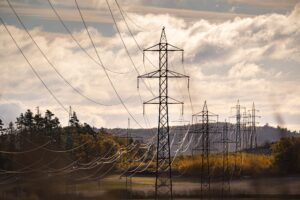
The 400 kV double‑circuit line connecting Ponte de Lima in northern Portugal to Beariz in Spain’s Galicia region adds 1,000 MW of capacity, raising total exchange capacity to 4,200 MW from Spain to Portugal and 3,500 MW in the opposite direction. It is part of the Trans‑European Networks for Energy and will help integrate wind and hydro surpluses while reducing carbon emissions.
The new interconnection comprises two 400 kV circuits running roughly 90 km, with 72 km on Portuguese territory. Built by Portugal’s REN and Spain’s Red Eléctrica, the line forms a new axis between the Minho region and Galicia.
The link enables an additional 1 GW of power to flow between the countries, complementing existing cross‑border lines and lifting the Iberian Peninsula closer to the EU’s target of 15 % interconnection with neighbouring countries.
European Commission officials highlighted the broader benefits. By facilitating 281 GWh per year of additional renewable exchanges, the line cuts about 113,000 tonnes of CO₂ emissions annually and supports the phase‑out of coal‐fired generation.
The project was classed as a Project of Common Interest and supported by the High Level Group on South‑Western Europe Interconnections, reflecting its strategic significance for the EU energy market. It also enhances system resilience after an April 2025 Iberian blackout underscored the vulnerability of the region’s grid.
Beyond environmental benefits, the interconnection has economic advantages. The increased capacity reduces bottlenecks, enabling Iberian generators to export surplus wind and hydro power to France and, via France, potentially to the UK when North Sea output dips.
Conversely, Spain and Portugal can import when domestic output is low. Improved cross‑border flows are expected to moderate wholesale prices across the region, dampening price spikes during demand peaks. The line also supports the integration of planned offshore wind farms off Portugal’s Atlantic coast and onshore solar projects in Spain by providing robust transmission capacity.
System benefits
The Iberian interconnector underscores the importance of cross‑border infrastructure in balancing renewable variability. Britain benefits from French interconnections that occasionally draw Iberian imports; thus an additional 1 GW capacity between Spain and Portugal could, in the medium term, provide backup when UK offshore wind underperforms.
The project exemplifies how relatively modest investments – €70 million on the Portuguese side – can unlock significant system benefits. It also serves as a model for the UK’s own interconnector projects: proposals for additional cables to Norway, Denmark and Ireland face similar financing and permitting challenges.
As the EU moves towards a more integrated electricity market, UK policymakers must ensure that post‑Brexit trading arrangements allow seamless participation in cross‑border capacity mechanisms to avoid being sidelined by continental cooperation.