
- The Competition and Markets Authority has opened its phase-one investigation, with a decision due by 28 October.
- E.ON and OVO together serve about 9.6 million customers and would hold roughly 25% of the domestic market by energy accounts.
- The central trade-off is between the resilience and investment capacity created by scale and the loss of consumer choice in an increasingly concentrated market.
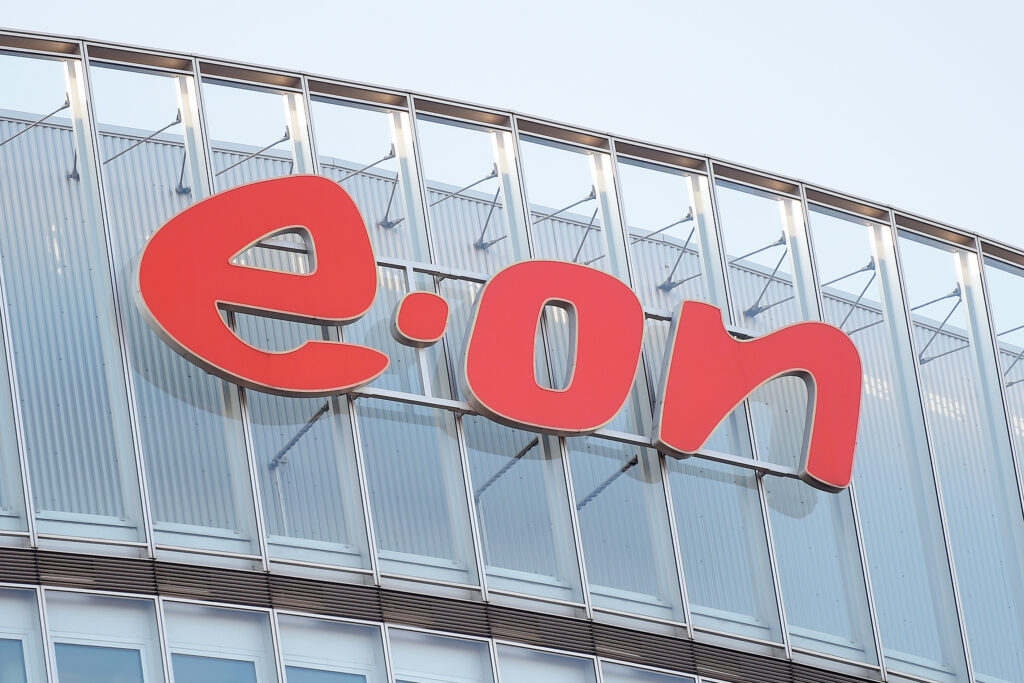
The Competition and Markets Authority has formally begun examining E.ON’s proposed acquisition of OVO Energy, opening a phase-one investigation into a transaction that would create one of Britain’s largest household energy suppliers.
The regulator launched the inquiry on 2 September following an initial invitation for views in July. It has set 28 October as the statutory deadline for deciding whether to clear the transaction, accept remedies or refer it for an in-depth phase-two investigation.
E.ON agreed in May to acquire OVO’s energy retail operation for an undisclosed sum. The transaction would add approximately four million OVO customers to E.ON’s existing 5.6 million UK customers. OVO’s home services division is being sold separately to Hometree.
The companies will remain operationally and legally independent pending clearance, with no immediate changes to tariffs or service. E.ON will retain OVO’s licence for the Kaluza energy software platform and may examine its use elsewhere in the European group.
OVO founder Stephen Fitzpatrick said in the company’s original announcement that retail had become “more regulated, more capital intensive and increasingly dependent on long-term investment and scale”.
Powerful incumbents
Cornwall Insight estimates that the combined business would hold about 25% of the UK domestic market by energy accounts, narrowly behind Octopus Energy on 26%. Five suppliers would serve more than 90% of households, while the largest three would control close to three quarters of the market. Cornwall Insight notes that rankings vary depending on whether customers, accounts or supply points are counted.
Concentration alone does not establish consumer harm. Britain’s retail market has already been transformed by the failure of poorly capitalised suppliers during the energy crisis, tougher Ofgem resilience requirements and the economics of operating under the price cap.
Scale can reduce financing and technology costs and support investment in smart meters, billing systems, electric vehicle tariffs, heat pumps and household flexibility. More than 60% of the combined customer base would be digitally connected through around seven million smart meters, according to E.ON.
E.ON UK chief executive Chris Norbury said the deal was intended to build “a retailer with the capability, the technology and the customer base” to expand flexible energy services. The group argues that orchestrating batteries, EV charging and time-of-use tariffs can reduce both customer and system costs.
The CMA must test whether those efficiencies require common ownership or could be achieved through licensing and commercial partnerships. It must also consider whether removing OVO as an independent competitor would reduce tariff innovation, switching incentives or competition for smart and flexible energy customers.
That assessment is more complex than comparing standard variable tariffs. Retailers are evolving into controllers of distributed energy assets, customer data and software platforms. A large customer portfolio can improve aggregation and reduce flexibility costs, but it can also create an ecosystem that is difficult for smaller suppliers and independent service providers to challenge.
Switching remains well below its pre-2020 level, weakening one of the principal mechanisms through which customers discipline suppliers. This makes a highly concentrated market more concerning if consumers face practical barriers to moving their tariffs, devices or flexibility services.
Whatever the CMA decides, the proposed acquisition confirms that post-crisis energy retail increasingly rewards capital strength, technology and scale rather than rapid customer acquisition. The regulatory challenge is to secure that resilience without rebuilding the market around a small number of vertically powerful incumbents.