
- Octopus Energy has acquired BD Energy, a Danish specialist that automates about 99% of its short-term electricity trading.
- The deal gives Octopus capability across 25 price zones in 15 countries at the point where weather forecast errors and grid constraints create the greatest volatility.
- Algorithmic trading is becoming part of renewable-energy infrastructure, but rapid international expansion brings market-conduct, data and risk-management obligations.
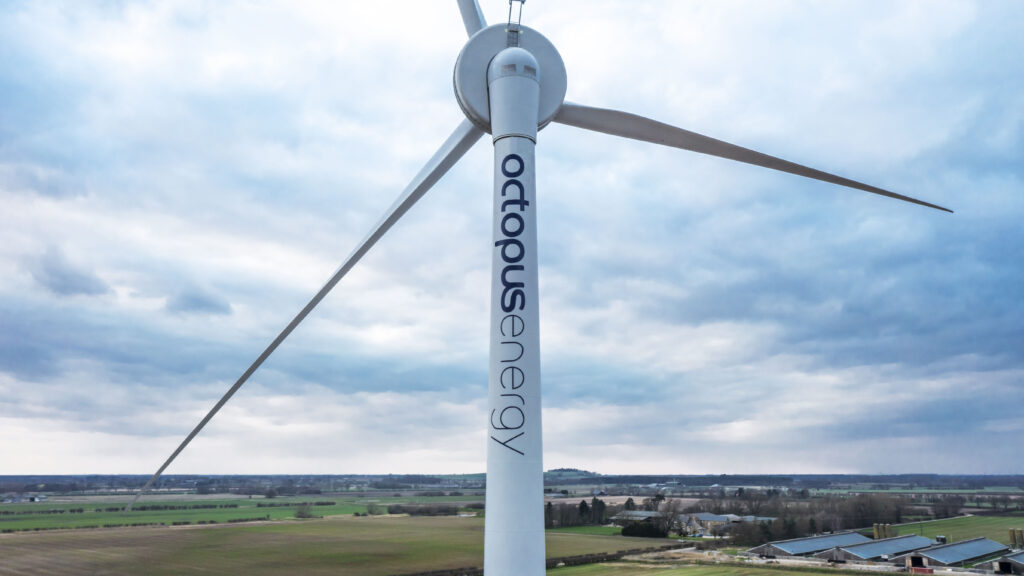
Octopus Energy has acquired Danish power trader BD Energy, adding automated short-term trading technology to its European operations as power systems become increasingly dependent on weather-driven generation.
Financial terms were not disclosed. BD Energy will join Octopus Energy Trading, while its founders and approximately 31 staff will remain in Denmark.
Founded in 2022, the company operates across 25 electricity price zones in 15 countries, including Germany, the Netherlands and the US. Its algorithms process power prices, supply and demand data and weather forecasts before placing trades, with about 99% of activity automated.
The business concentrates on the period from roughly 24 hours before electricity is delivered until it enters the grid. This is when updated weather forecasts, plant outages and demand changes can produce sharp differences between day-ahead expectations and physical system conditions.
BD Energy co-founder Frederik Vinkler said the company was designed so that technology would be “the foundation of the business, rather than simply a tool used by traders”. Octopus will provide capital and technology to increase trading volumes and enter additional markets, with BD Energy to be integrated into Octopus’s power-trading arm, according to media reports.
Trading as a flexibility business
The deal reflects a structural change in electricity markets. In a system dominated by coal and gas plants, generators can schedule output with relative certainty. Wind and solar introduce forecast errors that change continuously as delivery approaches.
Short-term markets convert those changes into prices. An automated trader can adjust positions rapidly, buy surplus electricity when forecasts rise or find replacement supply when renewable output falls. Algorithms can also identify price differences between connected regions.
The commercial value grows as renewable penetration rises. The International Energy Agency expects variable renewables to supply 46% of EU electricity by 2030, compared with 30% in 2025. It has warned that periods of overabundant generation will increase the need for storage, demand response and more effective price signals.
For Octopus, BD Energy provides capability distinct from conventional retail supply. It can support procurement, renewable asset optimisation and the trading of flexible demand. Over time, the technology could also help coordinate batteries, electric vehicles and other controllable loads, although Octopus has not disclosed a specific integration plan.
The acquisition is strategically notable following the planned separation of Kraken, Octopus’s billing and utility software business. Kraken’s recent investment valued it at $8.65bn, with Octopus retaining a minority stake. Buying BD Energy shows that the group still intends to own specialised technology where it directly affects commodity positions and trading returns.
Automation also increases operational and regulatory risk. Algorithms can submit large numbers of orders at speed, amplify faulty data and interact unexpectedly with other automated strategies. The EU’s revised REMIT market-integrity regime requires participants to notify regulators when they use algorithmic trading and maintain systems capable of preventing disorderly trading.
The deal’s significance lies in the recognition that renewable integration increasingly depends on software capable of acting within minutes. For the UK market, it is another sign that the competitive frontier is moving towards integrated portfolios combining customers, generation, flexibility and trading.
The businesses able to forecast and optimise those assets will capture more of their value. They will also assume greater responsibility when the algorithms get the market wrong.