
- The financing covers 446 MW of solar and approximately 1.8 GWh of battery storage across Algarrobal and Palmas.
- A 12-year hybrid power contract supports Algarrobal, while Palmas combines operating solar assets with battery retrofits.
- The transaction demonstrates the importance of contracted revenues, but includes refinancing rather than representing $457m entirely for new construction.
Grenergy has secured $457 million in senior non-recourse financing for a Chilean portfolio combining 446 MW of solar capacity with around 1.8 GWh of battery storage, marking the company’s largest such financing to date.
BNP Paribas coordinated and underwrote the transaction, with participation from BBVA, J.P. Morgan Chase Bank, MUFG Bank, Santander and The Bank of Nova Scotia. The amount includes $26 million in credit facilities, according to Grenergy’s filing with Spain’s securities regulator on 9 October.
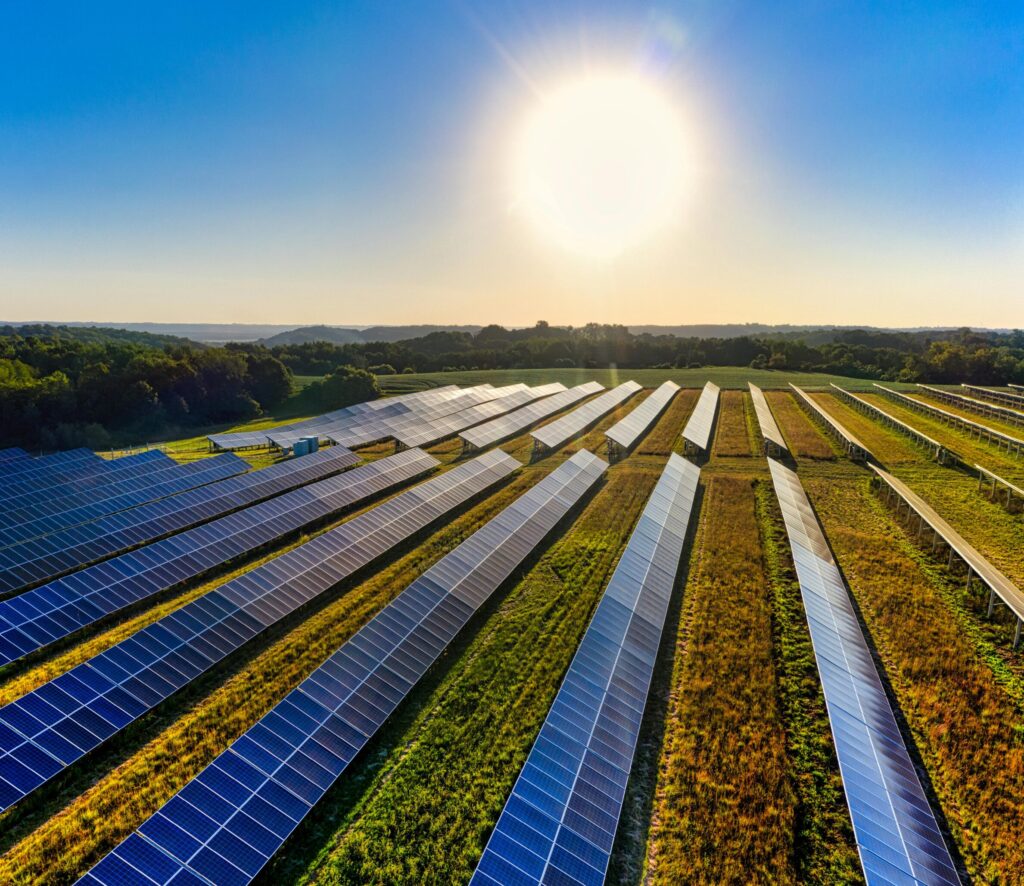
The portfolio comprises Algarrobal, the fifth phase of Oasis de Atacama, with 242 MW of solar and 1,480 MWh of storage, and the Palmas cluster, with 204 MW of solar and 289 MWh of storage.
Palmas comprises 21 operating distributed-generation solar projects. Six are being fitted with five-hour batteries, while the financing also refinances 14 projects whose previous financing totalled $85 million.
Algarrobal is backed by a 12-year hybrid power purchase agreement scheduled to begin on 1 January 2028. Grenergy said the buyer is investment-grade, although its financing announcement does not name the counterparty.
“This is the largest financing transaction in our company’s history,” said chief executive David Ruiz de Andrés. The deal brings cumulative non-recourse financing secured in Chile to more than $2.4 billion.
Non-recourse project financing generally places primary reliance on the financed assets and their cash flows, rather than the developer’s wider corporate balance sheet. That makes the quality of revenue contracts, construction arrangements and operating assumptions particularly important.
The Palmas element is also notable because storage is being added to existing generation. That offers a different development route from building a new solar-and-battery site: the solar assets are already operating, while batteries introduce additional equipment, controls and commercial decisions.
Financing lesson for UK developers
Combining solar and storage can alter when electricity is delivered and create a more useful product for buyers. But installing a battery does not automatically make a solar project capable of meeting any delivery profile: performance still depends on charging opportunities, usable storage capacity, losses and contract obligations.
A long-term agreement can reduce exposure to fluctuating market prices. In return, it can impose delivery requirements that must be reflected in the plant’s design and operating strategy.
Grenergy says it is extending its integrated solar-and-storage approach into Europe through Iberian Oasis, including a financial tolling agreement and hybrid project financing in Spain.
That makes the Chilean transaction a useful reference point for European developers seeking to move beyond wholly merchant storage revenues. It is not a template that can be transplanted unchanged: local market rules and connection conditions remain critical.
The broader message is that storage bankability depends on matching technical capability to a credible revenue structure. Financial close is a significant milestone, but completing the retrofits, commissioning the new assets and delivering against contracted commitments are the next tests.