

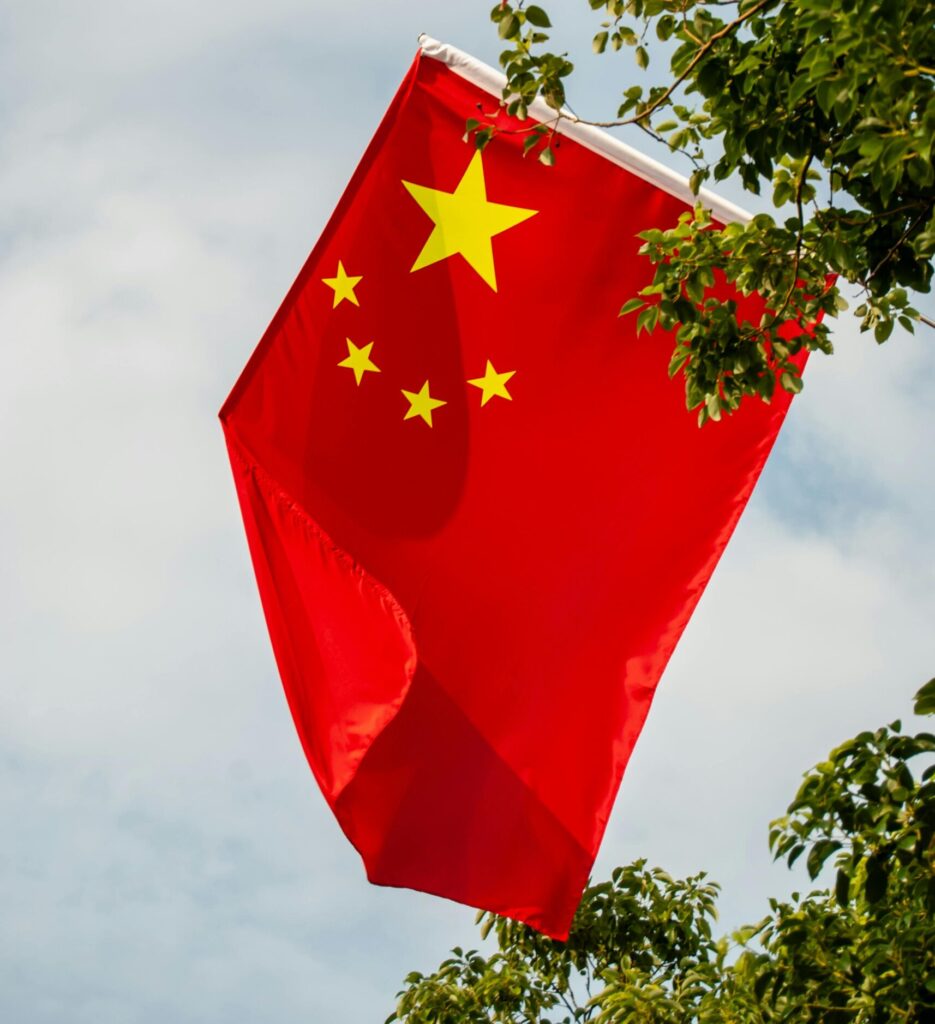
- China’s first dedicated national battery plan targets initial large-scale application of all-solid-state batteries by 2030.
- The programme reaches beyond lithium-ion cells to sodium-ion and flow batteries, materials, manufacturing quality, safety and lifecycle traceability.
- For Britain and Europe, the plan raises the competitive stakes from manufacturing volume to next-generation technology, standards and intellectual property.
China has set a 2030 objective for the initial large-scale application of all-solid-state batteries as part of its first national development plan devoted specifically to the battery industry.
The blueprint, issued by seven government departments including the Ministry of Industry and Information Technology, covers the 2026-30 period and sets targets for industrial growth, technological innovation and manufacturing quality.
China will pursue breakthroughs in advanced electrode materials, new electrolytes and specialised auxiliary materials, according to the official government announcement.
It also wants long-life lithium batteries to achieve 15,000 charging cycles and defect rates at leading manufacturers to fall to parts-per-billion levels by 2030.
The plan encompasses lithium, sodium-ion and flow batteries. Its 19 priority tasks include all-solid-state manufacturing equipment, safety and all-weather performance, technical standards, intellectual property protection and battery lifecycle traceability.
Demand is expected to come from electric vehicles, grid storage, consumer electronics, aviation-related “low-altitude” applications and humanoid robotics. Official figures put the sector’s output value above CNY1tn during the preceding five-year-plan period.
Tsinghua University professor Nan Cewen said the blueprint “builds on the country’s industrial scale and supply chain strengths” while directing its next stage of development.
From scale leadership to technology leadership
The significance is not that China has guaranteed the commercial arrival of solid-state batteries by 2030. Manufacturing yields, interfaces between materials and the pressure required inside cells remain substantial engineering obstacles.
The International Energy Agency says all-solid-state cells are currently produced only at small scale for testing. Their manufacture remains more complex and expensive than conventional lithium-ion technology, while meaningful penetration of mass-market vehicles is unlikely before the first half of the 2030s, according to its Global EV Outlook 2026.
China’s target should instead be read as a coordinated attempt to accelerate those learning curves across materials, equipment and final applications.
It comes from a position of overwhelming industrial strength. China accounted for more than 80% of global battery cell production in 2025, while Chinese-headquartered companies supplied almost three quarters of batteries deployed in electric cars. Battery production costs in Europe were as much as 50% higher than in China before public support, the IEA estimated.
China is simultaneously broadening its chemistry portfolio. Sodium-ion technology could serve stationary storage, urban vehicles and cold-weather applications, reducing exposure to lithium prices. Flow batteries offer another route for longer-duration stationary storage.
For the UK, the immediate benefit could be faster performance improvements and lower costs for electric vehicles and grid storage. The strategic risk is deeper dependence on a single country for cells, active materials, manufacturing equipment and future intellectual property.
The UK’s battery strategy has already acknowledged that the country meets most battery and component demand through imports, with China being its largest supplier. It estimated planned British cell capacity at 52 GWh when published, substantially below the scale of the leading Asian manufacturing base.
Competing successfully will require more than subsidising conventional gigafactories. The UK’s main opportunities are likely to include advanced materials, battery management systems, manufacturing processes, testing, safety, recycling and specialised cells, supported by partnerships that can move research into volume production.
China’s plan is ultimately an industrial policy marker. It intends to defend its cost advantage in today’s batteries while shaping the technologies and standards that succeed them. Other manufacturing economies now have four years to decide where they can compete and where dependence must be managed.