
- Zelestra has secured $350 million for a 203 MW Indiana solar project backed by a long-term Meta power-purchase agreement.
- The financing brings its 2026 US project funding total to approximately $1.14 billion.
- The deal demonstrates how corporate offtake can turn renewable development pipelines into financeable construction.
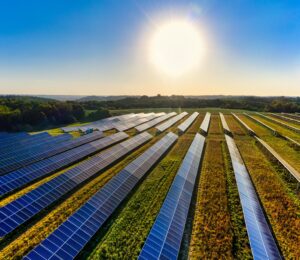
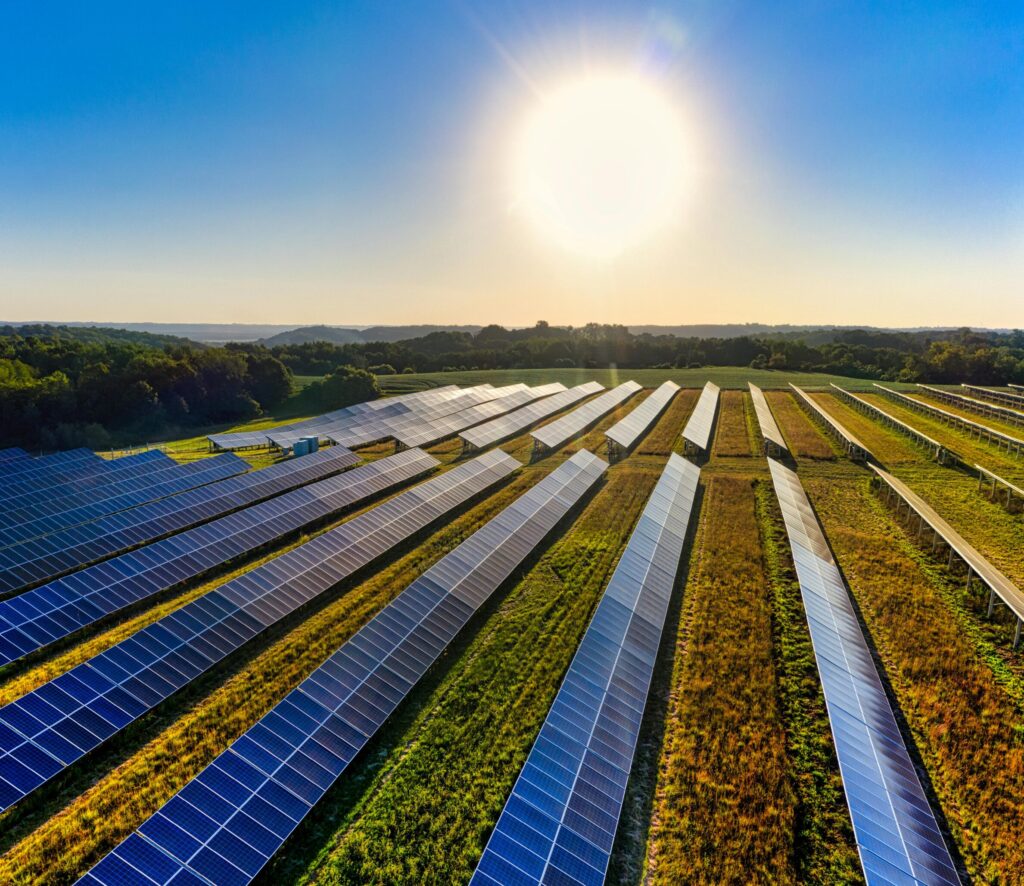
Zelestra has closed $350 million of green financing for its Reclamation solar project in Indiana, taking its US project financing this year above $1 billion as corporate electricity demand supports investment in new generation.
The 203 MW scheme in Gibson County is already under construction on land reclaimed from former coal-mining operations. It is expected to begin operating by the end of 2027.
CIBC, BBVA and Société Générale provided the credit facilities. A long-term power-purchase agreement with Meta underpins the project.
Zelestra said the transaction brings its US financing raised during 2026 to approximately $1.14 billion, supporting more than 800 MW of new solar construction.
“These partnerships enable us to keep building at the pace this market needs,” said Sybil Milo Cioffi, Zelestra’s US chief financial officer.
The financing is a concrete delivery milestone rather than another addition to a development pipeline; it brings together a project, a corporate customer and lenders willing to finance construction.
Corporate demand as anchor
Reclamation extends an established relationship between Zelestra and Meta. In March, Zelestra announced a $600 million financing facility from Société Générale and HSBC for its Echols Grove and Cedar Range solar projects in Texas, also supported by long-term Meta agreements.
At that point, Zelestra said the companies had power-purchase agreements covering seven projects and approximately 1.2 GW.
Société Générale subsequently described the Texas transaction as part of its financing of renewable electricity for hyperscalers, placing it within the growing demand associated with energy-intensive digital infrastructure.
The structure is significant because long-term contracted revenue can reduce exposure to uncertain wholesale prices. For lenders, the commercial strength of an offtaker can be as important as the generating technology when assessing whether projected cash flows will support debt.
However, financing a solar project does not guarantee that a customer’s electricity needs are met continuously by that plant. The distinction between procuring renewable generation and matching consumption hour by hour remains important when evaluating corporate decarbonisation claims.
Corporate demand can offer an alternative or complement to other routes to market. But customers will increasingly need to consider the value of the electricity delivered, rather than renewable volume alone: its timing, location and compatibility with their consumption profile.
Reclamation’s former mining site adds another dimension. Reusing previously industrial land can connect clean power investment with regional regeneration, although the announcement alone does not establish a quantified environmental benefit from the redevelopment.
The wider industry implication is that data centre growth is becoming a source of renewable project demand as well as a challenge for electricity systems. The decisive question is whether that demand supports timely additional generation and network capacity, or mainly intensifies competition for projects that would otherwise serve different customers.
Zelestra’s latest financing provides evidence of the former at project level. Its significance lies in funded construction and an identifiable delivery timetable, with operational performance and the quality of the eventual power supply still to be demonstrated.