

- Governments have backed faster delivery of existing emergency stock commitments, rather than announcing a separate new release.
- Around 100 million barrels remain available under outstanding pledges, with diesel prioritised where possible.
- For UK businesses, the intervention offers a supply buffer but does not remove exposure to disrupted trade routes.
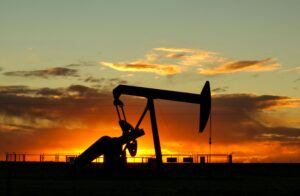
Governments have supported accelerating outstanding emergency oil releases and prioritising diesel, as pressure on fuel supplies prompts renewed efforts to complete commitments first announced in March.
Following a meeting on 7 October, the International Energy Agency (IEA) said approximately 325 million barrels had already been released. Delivering the remaining national pledges would bring roughly another 100 million barrels to market. Some countries have exceeded their original commitments, meaning the two figures do not represent a straightforward subtraction from the initial headline pledge.
The agency’s statement said governments wanted releases completed “as soon as possible”, highlighting tight diesel markets as the reason for prioritising that fuel. Members retain about 1.1 billion barrels of publicly held emergency oil stocks, including more than 200 million barrels of diesel.
The distinction between accelerating existing commitments and authorising additional withdrawals is key. The March collective action originally made 400 million barrels available – the largest coordinated release in the agency’s history – in response to disruption stemming from the Middle East conflict. October’s announcement focuses on implementing that intervention more quickly.
The product problem
The diesel emphasis illustrates why headline crude prices provide an incomplete picture of energy security. A market can have access to additional crude while still struggling to obtain particular fuels in the places where they are needed.
The IEA’s wider assessment of the crisis identifies diesel, jet fuel and liquefied petroleum gas among the products experiencing particularly severe price pressures. Its analysis also treats emergency reserves as one component of a response that includes reducing demand and improving resilience.
For UK industry, this makes the composition and timing of releases commercially significant. Diesel availability affects road freight, construction equipment and other activities that remain dependent on liquid fuels. Additional product stocks could therefore offer more immediate relief to exposed businesses than crude withdrawals that first need to pass through refineries.
However, releasing stocks does not reopen shipping routes, eliminate freight premiums or restore damaged infrastructure. Reuters reported oil prices rising again early on 8 October amid continuing Middle East supply concerns, following declines associated with the release announcement the previous day. The market response underlines the limits of reserve policy when physical disruption persists.
The US Energy Information Administration’s October outlook similarly describes a constrained market. Its forecast put Q4 Brent prices at approximately $105 a barrel, with substantial production shut-ins and further inventory declines. Those are conditional forecasts, not guaranteed outcomes, but they indicate that the emergency intervention sits within a continuing supply squeeze.
The strategic implication is two-sided. Higher fossil fuel costs can strengthen the economic case for electrification and efficiency, while simultaneously increasing delivery costs for infrastructure projects and weakening customers’ capacity to invest.
Businesses should therefore treat accelerated releases as breathing space rather than a durable procurement strategy. The relevant questions are how quickly committed barrels reach customers, whether releases match regional product shortages, and how exposed operations remain if disruption continues.
The next test comes at the IEA governing board’s scheduled meeting next week. A faster drawdown can moderate the immediate shock; reducing dependence on vulnerable fuel supply chains requires a longer-term response.