
- A group of 112 companies with combined revenues of about $1.5 trillion have issued a joint statement urging governments to make electrification central to economic strategy. They argued that reliance on fossil fuels exposes firms to price volatility and undermines competitiveness.
- The companies called for predictable electrification policies, accelerated permitting, modernised grids and market reforms to support renewable power and electric vehicles. The statement coincides with London Climate Action Week, pressuring the UK government to respond.
- A separate poll of nearly 2,000 executives in 18 countries found that 91% believe electrification improves energy security and 79% say geopolitical instability makes the shift more urgent.
The corporate world has sent a clear message to policymakers: electrify or be left behind.
On Monday, a coalition of 112 major companies issued an open letter urging governments to make electrification the backbone of economic policy.
Signatories span consumer goods (Nestlé, IKEA), utilities (Iberdrola, Enel), transportation (Volvo Cars, Uber) and technology (ABB, Schneider Electric), highlighting the breadth of support. Collectively accounting for about $1.5 trillion in annual revenue, the firms argue the volatility of fossil fuel markets is a threat to their competitiveness and that switching to electric power would improve energy security.
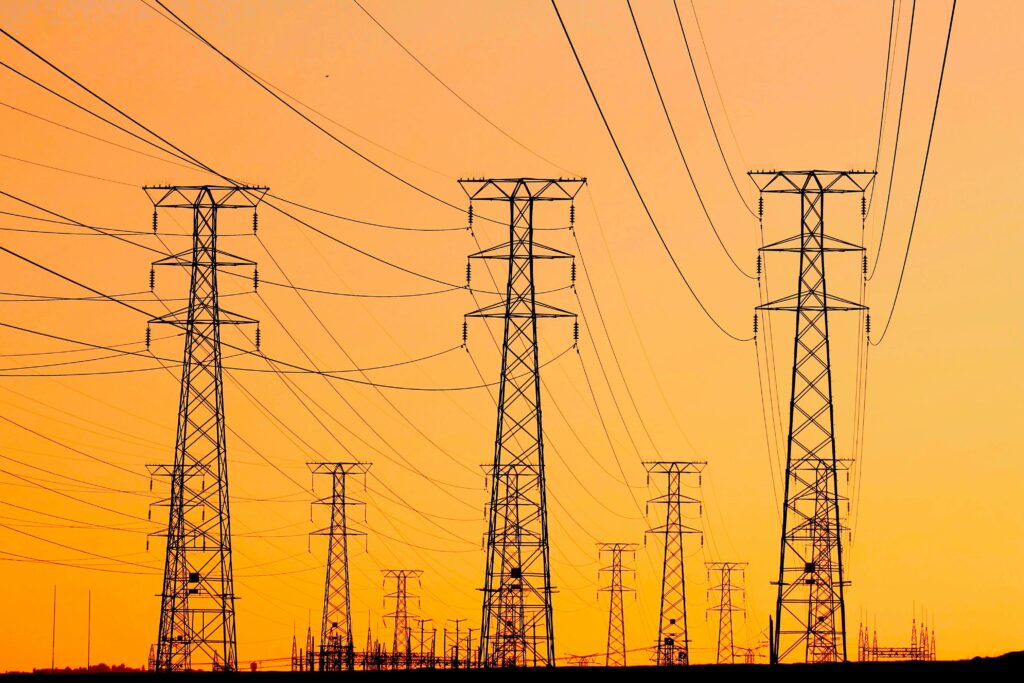
The statement, issued by the We Mean Business Coalition and the Global Renewables Alliance, calls on governments to set clear electrification targets, streamline permitting for renewable projects and electric vehicle (EV) infrastructure, and invest heavily in modernising grids.
It also demands reforms to electricity markets so that price signals reflect the falling cost of renewables and encourage flexibility. Without such policies, the companies warn, the transition will stall and industry will face uncertainty that deters investment.
This plea is underpinned by Reuters survey data. A poll of nearly 2,000 senior executives across 18 countries found that 91% believe electrification improves energy security and 79% say geopolitical instability has made the shift more urgent.
Around 90% expect their operations to be largely electrified by 2035, and the same proportion think renewables‑based electrification will boost economic growth.
Yet 72% of respondents feel government policies are lagging behind what business needs. Many companies say they are electrifying faster than governments can upgrade grids or update regulations.
Stable policies and grid investment
For UK policymakers, the coalition’s letter and the poll results are a wake‑up call. London is positioning itself as a green finance hub and upcoming reforms – such as the Energy Independence Bill and updates to the grid connection regime – are meant to unlock billions in renewable investment.
But the private sector wants deeper changes: a predictable carbon price, guaranteed funding for transmission upgrades, accelerated planning for onshore wind and solar, and support for EV charging.
Earlier this month, Turkey’s environment minister Murat Kurum also announced that the COP31 host country would seek a voluntary global target for electricity to meet 35% of final energy consumption by 2035.
With the UK’s industrial strategy under review, ignoring this growing consensus could see investment flow to countries with clearer electrification roadmaps, such as the US (via the Inflation Reduction Act) or the EU (via the Net Zero Industry Act).
Conversely, embracing the call could solidify Britain’s position as a leader in clean technologies and provide resilience against future fossil‑fuel price shocks.