
- The Crown Estate will launch a competitive tender next month for the 1.5 GW Morgan offshore wind site in the Irish Sea, with a new developer expected to be selected by late 2026.
- Morgan was originally awarded in Offshore Wind Leasing Round 4, but development stalled when EnBW exited the BP/JERA joint venture earlier this year. JERA and BP continued with the adjacent Mona project but returned the Morgan lease, prompting the re‑tender.
- The site already has a development consent order for generation assets (secured August 2025) and retains its grid connection, reducing risk for new bidders. The transmission assets are still awaiting planning approval.
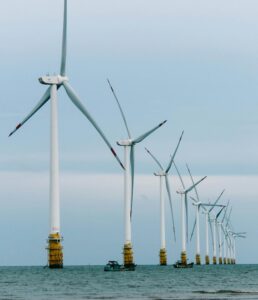
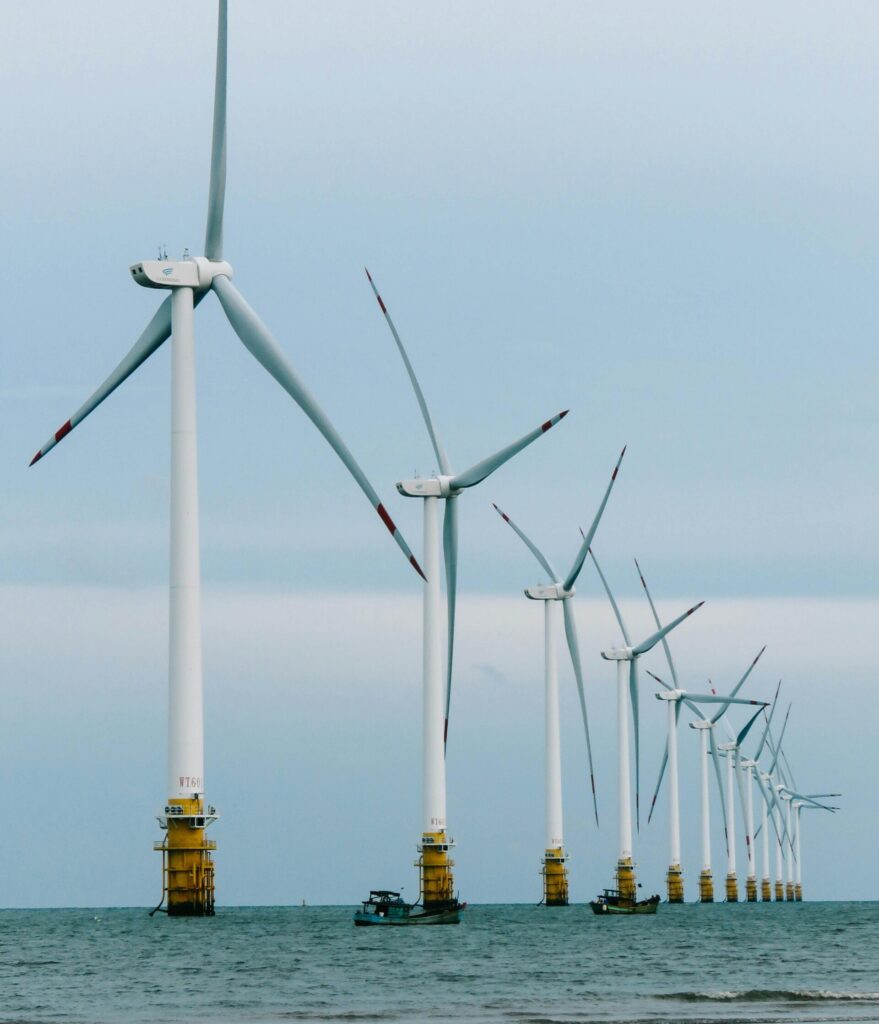
Britain’s offshore wind ambitions have been given a boost after The Crown Estate announced plans to retender the 1.5 GW Morgan project in the Irish Sea.
The seabed manager said it will launch a competitive process in July with the aim of awarding seabed rights to a new developer by the end of the year. The Morgan site, originally allocated during the 2021 Round 4 leasing round, could supply power to around 1.5 million homes and is seen as a critical piece of the UK’s clean‑energy pipeline.
Its return to market comes after the previous consortium – BP, JERA and EnBW – abandoned the project in January, citing cost pressures and strategic shifts.
Second chance
Morgan was one of two large projects awarded to a joint venture of BP, Japanese utility JERA and German company EnBW during Round 4. Together with the adjacent Mona project (now wholly owned by JERA and BP), Morgan was expected to cement BP’s presence in the UK offshore wind sector.
However, EnBW withdrew in January 2026 and BP and JERA decided to focus solely on the 1.5 GW Mona project, returning the Morgan lease to The Crown Estate. This left Morgan in limbo until the Crown Estate announced it would re‑tender the site.
The Crown Estate said the tender would not delay Round 6 and would be run separately to ensure fair competition. Crucially, the Morgan site already has a development consent order (DCO) for its generation assets, granted in August 2025, and a secured grid connection which should reduce planning risk for new bidders.
The project still needs approval for its transmission assets, but the groundwork means the new developer could progress relatively quickly.
The re‑tender comes as offshore wind plays an increasingly central role in Britain’s power system. According to the Crown Estate, offshore wind supplied almost 18% of UK electricity in 2025, around 52 terawatt hours. That share is expected to rise as the government targets 50 GW of offshore wind capacity by 2030 and moves to support floating wind in deeper waters.
The Morgan and Mona projects are part of that build‑out and could help replace ageing gas‑fired plants and reduce reliance on imported fossil fuels.
At the same time, the sector faces challenges. Surging inflation, higher interest rates and supply chain bottlenecks have squeezed project economics, prompting some developers to renegotiate contracts or cancel projects entirely.
The UK’s Contracts for Difference (CfD) scheme was oversubscribed for onshore solar and energy‑from‑waste projects in the latest auction, but offshore wind bids were limited after developers criticised the strike prices on offer. The government responded by boosting the budget and reforming the auction design for the upcoming Allocation Round 6.
Good to go
For would‑be bidders, Morgan offers a rare opportunity to secure a ready‑to‑go seabed site with permits and grid access in place. Potential suitors could include established players such as Ørsted, RWE and ScottishPower Renewables, as well as consortia involving oil majors and international utilities eager to expand their UK portfolios. The site’s proximity to existing offshore wind clusters could enable synergies in operations and maintenance.
However, the re‑tender also highlights the volatility facing the sector. Developers must balance rising capital costs with uncertain power price trajectories, while supply‑chain constraints – from monopile fabrication to cable manufacturing – continue to bite.
Communities and environmental groups will also scrutinise the new developer’s plans, particularly regarding cumulative impacts on marine wildlife and local fisheries.
Overall, the news signals a pipeline of contracts for turbines, foundations, substations and installation vessels. For policymakers, it underscores the importance of keeping projects moving through the pipeline to meet the 2030 capacity target.