
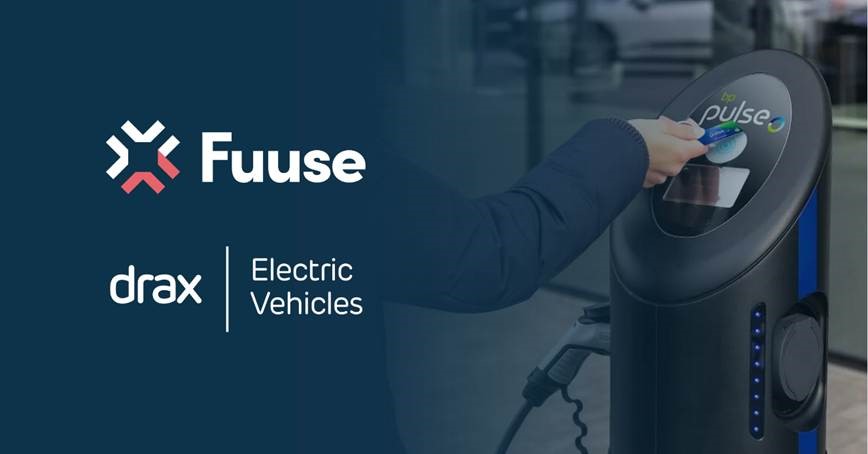
Fuuse and Drax Electric Vehicles have announced a partnership to transfer almost 1,000 former bp pulse fleet depot charging customers to Fuuse’s management platform, covering more than 14,000 charging sockets.
Under the arrangement, announced on 19 October 2026, Fuuse will manage the software migration while Drax Electric Vehicles provides nationwide servicing and maintenance. The companies said the transition would allow customers to retain their existing chargers, with continued support for existing hardware warranties.
The appointment follows more than a year of collaboration between Fuuse and bp’s EV charging business, including hardware testing and platform development intended to maintain charging operations during the transfer.
Fuuse described itself as the exclusive migration partner for the affected customers. The announcement did not specify a completion date for the programme or disclose its commercial terms.
Existing chargers remain central to the transition
The migration will move management of the affected charging infrastructure onto Fuuse’s platform. The companies said their approach would avoid the need for customers to remove and replace existing equipment.
For fleet operators, retaining installed chargers could limit the cost and operational disruption associated with changing charging providers. However, the announcement did not quantify potential savings or provide customer-level estimates of the work required.
The distinction between migrating software and replacing infrastructure is important for depots where charging forms part of daily vehicle scheduling. A successful transfer must preserve the ability to charge vehicles reliably while changing the systems used to manage that activity.
Fuuse said its preparation with bp pulse had included testing hardware and developing the platform to support the transition. Following registration, its onboarding team will validate each customer’s charging infrastructure requirements and confirm service arrangements before guiding them through the process.
That assessment will establish the requirements for individual sites, rather than assuming every customer’s equipment and operating needs are identical.
Drax to provide maintenance and warranty support
Drax Electric Vehicles, part of Drax Group, will provide the service and maintenance element of the partnership through its nationwide field service capability.
The companies said this would include continuity of existing hardware warranty support, addressing a separate requirement from the software migration itself. Customers will need both a functioning management platform and access to support when physical charging equipment requires attention.
James Chapman, strategic sales director at Fuuse, said the arrangement was intended to protect customers’ infrastructure investment and maintain operational continuity.
Adam Hall, energy services director at Drax Electric Vehicles, said maintaining and supporting the charging estate would help customers manage the transition and reduce disruption to fleets that depend on their vehicles each day.
The announcement did not set out maintenance response times, service pricing or the detailed terms governing warranty support. These arrangements will be confirmed with customers during onboarding.
Customers must register through bp pulse notification
Affected customers can register for the migration using the link in their notification email from bp pulse.
Fuuse’s onboarding team will then check infrastructure requirements, confirm the relevant service arrangements and guide customers through the transfer. The announcement did not provide a universal migration timetable or state how long an individual depot’s transition would take.
The scale of the programme makes coordination across software, hardware support and customer onboarding a central delivery challenge. More than 14,000 sockets fall within the announced scope, but the practical test will be whether individual fleets can maintain access to charging throughout their move.
The partnership establishes the proposed route for that transition. Its operational results, including migration completion rates and any effect on charging availability, will only become clear as customers move onto the new platform.