
- Genel Energy will acquire Capricorn Energy for $360 million, paying $4.74 per share comprising $3.75 in cash and a $0.99 special dividend – a 33% premium to Capricorn’s pre‑bid share price.
- The deal gives Kurdistan‑focused Genel a foothold in Egypt, splitting its production roughly evenly between the country’s Western Desert and Iraqi Kurdistan and diversifying away from exports disrupted by regional conflicts.
- Capricorn’s board unanimously supports the offer, calling it superior to rival bids; Capricorn shares jumped 22% on the news while Genel shares rose 9%.
Genel Energy, best known for its oil operations in Iraqi Kurdistan, is seeking to rewrite its story. The London‑listed independent has agreed to buy Capricorn Energy in a $360 million cash takeover that will give it a significant presence in Egypt’s Western Desert.
The deal will see Genel pay Capricorn shareholders $3.75 per share in cash plus a 99‑cent special dividend, valuing the target at $4.74 per share – a 33% premium to Capricorn’s closing price on 10 March, before rival suitor Cafani Group’s interest became public.
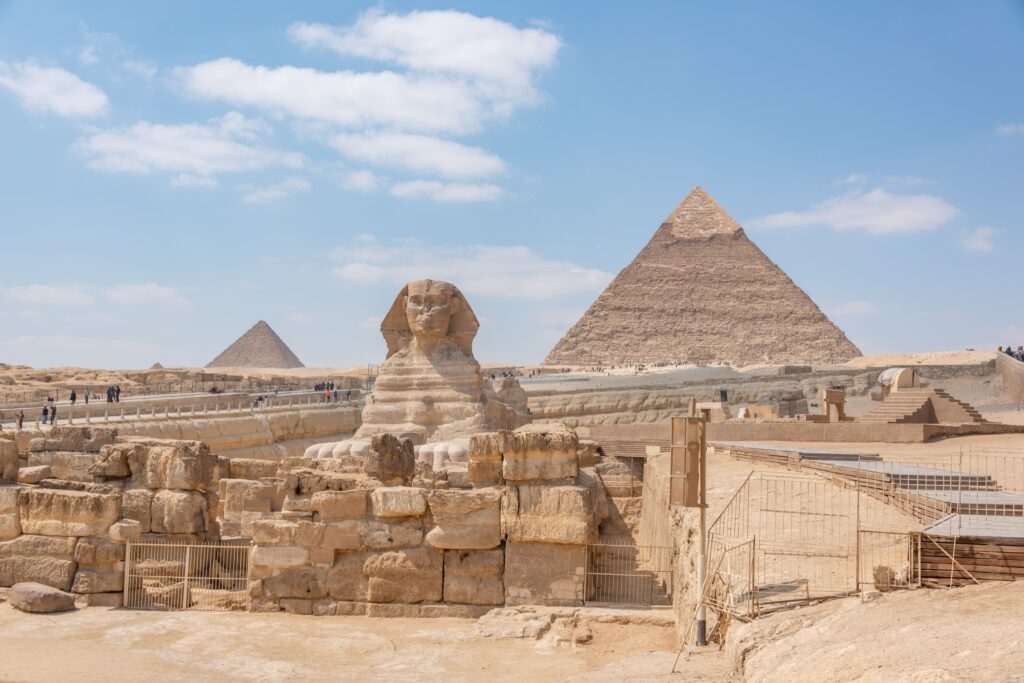
Capricorn’s board has unanimously recommended the offer, and investors cheered: Capricorn shares surged 22% to a four‑year high, while Genel stock gained 9%. The transaction will give Genel a foothold in Egypt’s Western Desert fields, which produce around 22,000 barrels of oil equivalent per day under stable fiscal and regulatory conditions.
Genel’s existing production comes largely from the Tawke field in Kurdistan, a region plagued by export disruptions and payment delays due to disputes between Baghdad and the Kurdistan Regional Government. Diversifying into Egypt reduces that geopolitical risk and allows the company to tap into one of North Africa’s more predictable hydrocarbon provinces.
In a statement, Genel said the enlarged company would have a more balanced portfolio with output split roughly 50‑50 between Egypt and Kurdistan. The deal also gives Genel access to Capricorn’s exploration and appraisal acreage in Egypt and Mauritania.
With a stronger balance sheet, the company plans to pursue additional value‑accretive mergers and acquisitions across the Middle East and North Africa.
Chief executive Paul Weir noted that Capricorn’s assets offer “attractive fiscal terms” and material near‑term production growth. The board of Capricorn described the offer as superior to other proposals, including those from privately held Cafani Group.
North African appetite
The takeover highlights two trends: first, mid‑cap exploration and production companies are consolidating to weather market volatility and fund growth.
Since the Iran war began, sanctions and supply disruptions have roiled oil markets, but the subsequent peace talks and reopening of shipping lanes have depressed prices. In this environment, companies like Genel see acquisitions as a way to build scale, diversify revenue streams and enhance negotiating power with governments.
The deal also underscores the appeal of Egypt’s oil and gas sector. The Western Desert has long attracted majors such as Eni and Apache, but recent reforms have improved contract terms and accelerated payments. As European energy firms divest mature assets at home, they are eyeing North Africa for stable, cash‑flowing projects.
The takeover still requires shareholder approval and regulatory clearances. It also faces competition: Cafani Group, backed by Saudi investors, has until 29 July to table a formal counteroffer. Analysts say a bidding war is unlikely given the premium offered by Genel and the strategic fit.
Assuming the deal completes, attention will shift to how Genel integrates Capricorn’s workforce and assets and whether it can maintain discipline amid potential M&A opportunities. The company has navigated political instability in Kurdistan; now it must prove it can deliver growth in Egypt while preparing for the energy transition.
That means balancing near‑term returns from oil production with investment in gas, carbon capture and renewable projects that can future‑proof the business.