
- Iran’s threats to maritime traffic in the Strait of Hormuz have sharply restricted crude flows and led refiners across Asia to curtail intake.
- With the Strait still largely closed, Goldman Sachs expects refined fuel margins to remain two to three times higher than the 2013‑2019 average throughout 2026, even if crude prices stay relatively contained.
- Analysts warn that Asian refiners may be forced to cut throughput to avoid shortages of Middle Eastern feedstock, as shipments from alternatives such as Africa and the Americas take months to arrive.
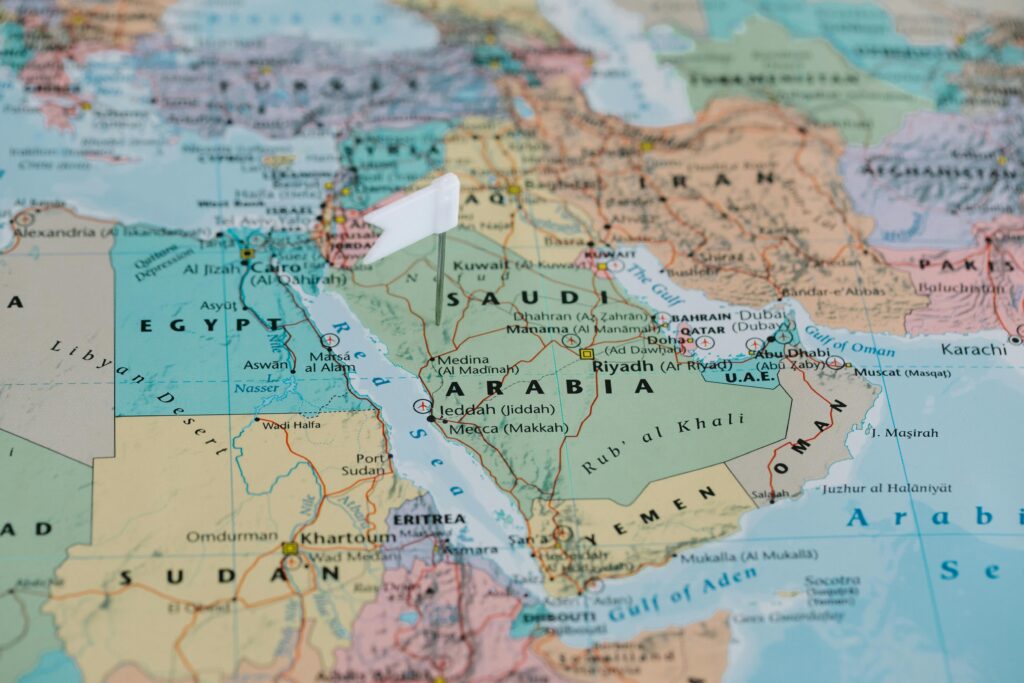
Refined fuel markets are grappling with the consequences of Iran’s disruption of shipping in the Strait of Hormuz, the world’s main conduit for crude oil and liquefied natural gas.
Analysts say the prolonged blockage – prompted by Tehran’s attacks on tankers and threats to US vessels – has constrained deliveries of Middle Eastern crudes to Asia and Europe, pushing regional refinery margins far above historical averages.
In Singapore, complex refining margins have surged to about $30 per barrel, while jet fuel cracks have climbed to $52 and gasoil cracks above $48. The rally reflects the scarcity of feedstock and the premium customers are paying for refined products.
Ripple effects
The Strait of Hormuz has remained largely closed to commercial traffic since mid‑April, when Iranian naval forces began impounding tankers in retaliation for Western sanctions and US strikes on Iranian vessels. The strait normally facilitates about a fifth of global oil and LNG flows.
Without access to Persian Gulf grades, refineries in Asia, including those in Singapore, China and South Korea, have scrambled to secure cargoes from West Africa, Latin America and the North Sea. However, these longer‑haul shipments can take up to three months to arrive.
Many Asian refiners are therefore reducing throughput to avoid running out of crude feedstock, a move that has tightened product supplies and lifted margins.
Goldman Sachs projects the effect will persist. In a note to clients, the bank said refined fuel margins could stay two to three times higher than 2013‑2019 averages through the end of 2026, citing a drop of roughly 4 million barrels per day in global product exports as Persian Gulf shipments decline and some Asian refineries operate at reduced capacity.
Goldman expects diesel cracks to exceed pre‑war forecasts by $19‑26 per barrel. With global refining outages estimated at 2.5 million barrels per day due to war and maintenance, utilisation rates could rise to near capacity by year‑end.
The volatility has broader implications. High product margins may encourage refiners in Europe and the US to postpone maintenance and increase runs, potentially exacerbating local environmental impacts. Conversely, the prolonged squeeze highlights the need for strategic fuel reserves and investment in alternative fuels.
As climate policies tighten, the episode offers a preview of how supply disruptions can accelerate decarbonisation if policymakers use the crisis to justify more renewable deployment and improved energy efficiency.