
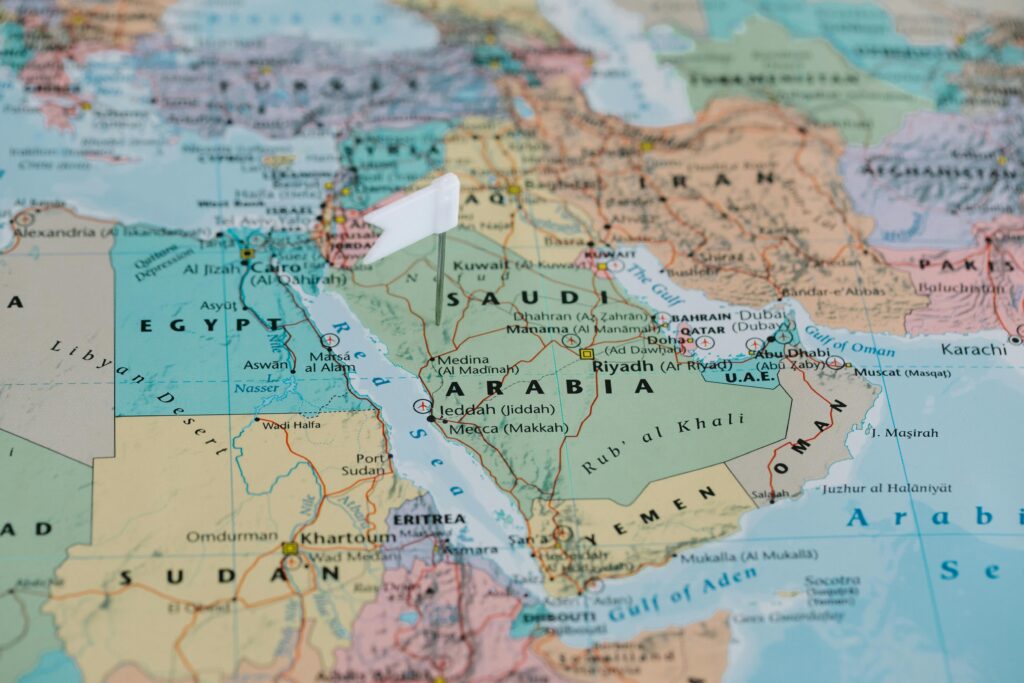
- Iraqi officials said the country could consider leaving OPEC if it is not allowed to increase its oil production quota significantly.
- Iraq is OPEC’s second‑largest producer and one of its founding members; an exit would deal another blow to the cartel, which recently lost the United Arab Emirates.
- The threat reflects Baghdad’s frustration over lost revenue as exports via the Strait of Hormuz have been slashed by the Iran war; Iraqi output has fallen below its 4.378 million bpd quota to around 1.48 million bpd.
The prospect of Iraq leaving OPEC jolted global oil markets on Friday.
In an exclusive interview with Reuters, senior officials in Baghdad said that unless OPEC raises Iraq’s production quota, the country may consider leaving the group altogether.
The threat comes barely two months after the United Arab Emirates walked out of the cartel, and underscores growing tensions within OPEC as members jostle for market share. Founded in Baghdad in 1960, OPEC has been the linchpin of global oil market coordination for more than half a century. Losing its second‑largest producer would be a severe blow to the cartel’s credibility and its ability to manage supply.
Iraq’s frustration is rooted in a combination of war‑induced export disruptions and internal economic pressures. The Iran war and the consequent closure of the Strait of Hormuz have slashed the country’s exports and revenues.
Baghdad pumped just 1.48 million barrels per day in May, according to OPEC data – less than half its July quota of 4.378 million barrels per day. With oil providing the bulk of government income, the slump has created a fiscal crisis.
Iraqi officials told Reuters that Saudi Arabia and other OPEC allies must treat their request for a higher quota “with the utmost seriousness”. Failure to do so, they warned, would compel Baghdad to consider “all available options,” including withdrawal.
On the surface, Iraq’s argument is straightforward: quotas should reflect members’ true production capacity and their economic needs. Iraq has invested heavily in upstream capacity with the help of Western oil companies and aims to raise production to 7 million barrels per day over the coming years.
Officials say OPEC’s existing production baselines do not reflect these investments. OPEC+ is currently reviewing members’ production capacities as it prepares to set new output baselines for 2027. Iraq sees this as its opportunity to secure a larger slice of the supply pie.
However, leaving the cartel would be a radical step that carries its own risks. OPEC membership provides Iraq with influence over global oil policy and helps coordinate supply to support prices. An exit could unleash a wave of uncoordinated production increases, not just from Iraq but from other members seeking to protect market share.
In the short term, that could depress prices, hurting Baghdad’s own revenue. Moreover, Iraq’s infrastructure and security situation remain fragile; the country may find it difficult to ramp up exports without OPEC’s diplomatic cover.
Indeed, the Iraqi oil ministry quickly distanced itself from the exit threat, saying the comments did not reflect the government’s official position. Analysts suspect the threat is a negotiating tactic designed to pressure Saudi Arabia into granting a higher quota rather than a genuine intention to leave.
For net importers, the episode highlights the potential for further volatility in oil markets. A fragmented OPEC could result in more unpredictable supply swings, complicating procurement and hedging strategies. The standoff also intersects with the ongoing reopening of the Strait of Hormuz, where millions of barrels of crude remain stranded.
If Iraq were to withdraw and ramp up exports independently, the supply rebound could push prices lower. Conversely, if negotiations with OPEC break down and conflict escalates, supply could tighten further. Either way, the row underscores the importance of diversifying energy sources and accelerating the transition toward low‑carbon alternatives.