
- Renewables supplied a record 55.8% of UK electricity in the second quarter, but the combined low-carbon share still fell as nuclear output dropped sharply.
- Higher demand was met partly by gas generation and imports, demonstrating that renewable capacity alone is not a proxy for system resilience.
- The figures strengthen the investment case for storage, demand flexibility, networks and dependable low-carbon generation alongside wind and solar.
The UK generated a record proportion of its electricity from renewable sources in Q2 2026, yet its overall low-carbon share declined as nuclear outages forced the system to rely more heavily on gas and imports.
Renewable generation increased by 5% year on year to 38.3 TWh and accounted for 55.8% of domestic generation, according to the Department for Energy Security and Net Zero’s September Energy Trends report.
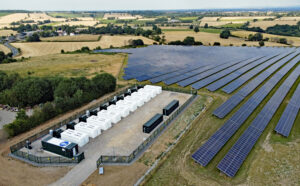
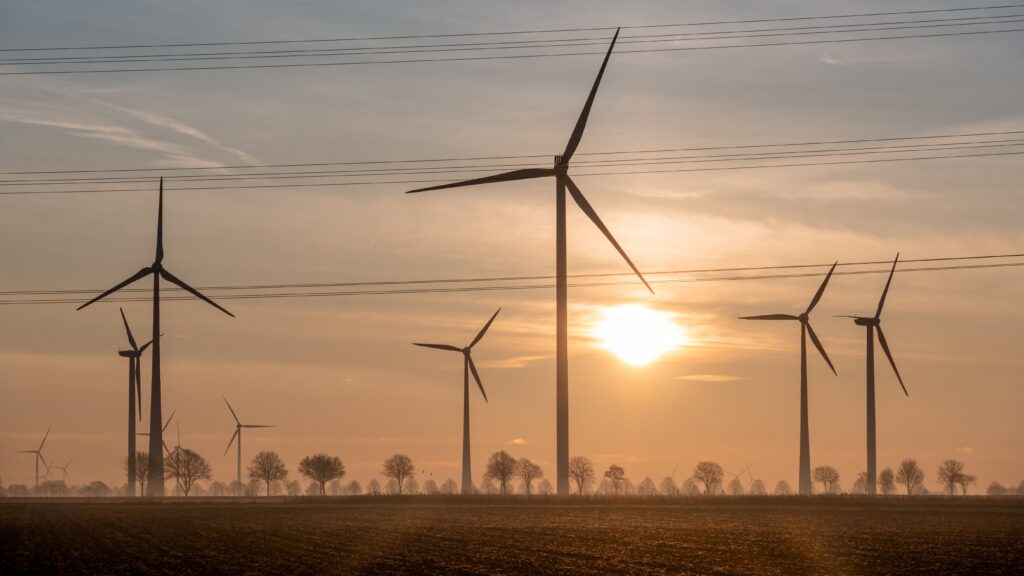
Wind generation rose by 9.4% to 19.2 TWh, with onshore and offshore output both increasing. Solar matched its quarterly generation record of 8.4 TWh despite fewer sunshine hours, helped by the addition of about 2.1 GW of capacity over the preceding year.
Renewable capacity reached 66.3 GW, 2.7 GW higher than a year earlier, with solar accounting for roughly three quarters of the increase.
However, nuclear generation fell by 11% to 8.7 TWh because of reactor outages. That reduced the combined renewable and nuclear share by 0.9% to 68.5%, despite the renewable record.
Gas-fired output rose by 4.4% to 18.4 TWh. Net electricity imports increased to 7.6 TWh, equivalent to about 10% of demand, with France providing the largest share. Total electricity demand increased by 3.4% to 76.3 TWh, its highest Q2 level for five years.
Electricity used in transport rose by 20% to a record 4.8 TWh as electric vehicle numbers continued to grow, offering an early indication of the additional demand that wider electrification will place on the power system.
Capacity, not resilience
More recent monthly figures reinforce the message. During May to July, generation by major power producers was broadly unchanged, but gas output increased by 18% and nuclear production fell by 27%. Renewables were down marginally in this narrower dataset.
The low-carbon share of major producer generation consequently fell by 5.4% to 63.2%, according to DESNZ’s headline statistical release.
The two datasets are not contradictory. The quarterly figures cover all generating companies and show renewables setting a record across April to June. The monthly series covers major power producers during a later three-month period. Together, they illustrate how quickly the generation mix can change when nuclear availability, weather and demand move simultaneously.
The wider energy balance also weakened. UK primary energy production fell by 7.3% year on year in the second quarter, including a 12% decline in oil output and a 6.5% fall in gas production. Import dependency increased from 36.7% to 40.4%. The conversion of Grangemouth from a refinery into an import terminal contributed to a 14% fall in refinery production.
The implication for Clean Power 2030 is not that renewable deployment is failing. It is that generation targets cannot be separated from operability and firm capacity. The government’s Clean Power Action Plan estimates that Britain will require 40 GW to 50 GW of dispatchable and long-duration flexible capacity in 2030, alongside 23 GW to 27 GW of batteries.
It also acknowledges that “unabated gas will continue to play a back-up role” until it can be replaced safely.
For investors, the quarter offers two key signals. Wind and solar are scaling and producing record volumes, but dependable low-carbon capacity, storage, interconnection and demand response will determine how much fossil generation that capacity actually displaces. The UK’s main challenge is shifting from procuring renewable megawatts to assembling a complete, operable electricity system.