
- TotalEnergies will supply 60 GWh a year from April 2027, covering more than 20% of Saint-Gobain’s UK electricity demand.
- The contract provides baseload renewable supply rather than requiring Saint-Gobain to accept the variable output of a single wind or solar farm.
- No price or associated generation assets have been disclosed, and the five-year term may be too short to finance new capacity by itself.
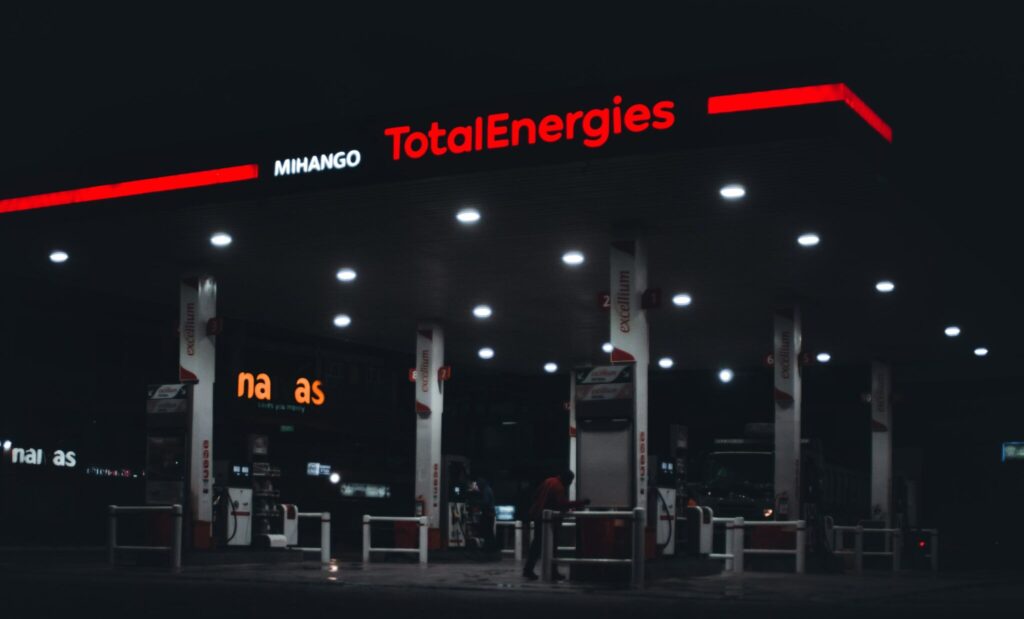
Sustainable construction company Saint-Gobain has agreed to buy 60 GWh a year of firm renewable electricity from TotalEnergies for five years, in a contract designed to match clean generation more closely with the continuous requirements of industrial sites.
The agreement will begin in April 2027 and cover more than 20% of the construction materials manufacturer’s annual UK electricity consumption. TotalEnergies will provide baseload supply backed by renewable generation, using its portfolio of generation, flexible assets and trading capabilities to manage the difference between variable renewable output and Saint-Gobain’s demand.
The companies did not disclose the contract price, indexation arrangements or the wind, solar and storage assets supporting delivery. Saint-Gobain said the supply would be backed by guarantees of origin from local renewable assets.
The manufacturer described it as its first agreement of this kind in the UK. Firmed and shaped corporate power contracts already exist in the UK, but the deal represents a change in Saint-Gobain’s own procurement rather than an entirely new national structure.
Saint-Gobain Northern Europe chief executive David Molho said the agreement would provide “a reliable and continuous supply of renewable electricity”. The company has committed to net-zero emissions by 2050.
The company said decarbonised sources supplied 70% of its global electricity in 2025, up from 39% in 2021, and that it has signed 25 major clean electricity agreements across 15 countries. TotalEnergies already supplies the group with 175 GWh a year of firm renewable electricity in France and has two US agreements totalling 680 GWh annually.
Additionality unproven
The contract is notable because a conventional pay-as-produced power purchase agreement leaves the buyer exposed to the output profile of a particular renewable asset. A solar project produces nothing overnight and substantially less in winter; wind output is variable and difficult to forecast precisely.
An industrial buyer must therefore purchase balancing and shaping services or accept exposure to wholesale prices whenever contracted generation falls short. Under a clean firm power product, TotalEnergies takes on more of that volume and profile risk. It can combine different renewable assets, storage, flexible generation and market purchases to create a flatter supply product.
That approach is attractive in the UK, where industrial electricity prices remain vulnerable to gas-led wholesale pricing. It also converts flexibility from a standalone grid service into part of a customer proposition.
The environmental additionality is less clear. Saint-Gobain has purchased certified renewable electricity covering 100% of its UK operational consumption since 2016. The new contract should provide a stronger commercial link to renewable generation than unbundled certificates, but neither company has identified a new project that depends on this offtake to reach financial close.
Its five-year duration is also short compared with the 10 to 15-year agreements normally used to finance new renewable capacity. The most reasonable interpretation, pending further disclosure, is that this is a portfolio supply and hedging agreement rather than a project finance PPA.
That does not make it insignificant. The UK government says corporate PPAs can protect buyers from volatility and create alternative routes to market for renewable generators, but they still account for only a small share of electricity purchasing. Negotiation complexity, credit requirements and the mismatch between renewable output and business demand remain major barriers.
TotalEnergies’ role shows how integrated suppliers may overcome some of those barriers by aggregating assets and absorbing risks that individual manufacturers cannot manage efficiently. Its managing director for integrated power in the UK and Ireland, Emmanuel Bonifacio, said the product was tailored to industrial customers’ consumption profiles.
The wider opportunity is to make firmed renewable supply replicable for companies smaller than Saint-Gobain. At present, bespoke contracting and counterparty requirements favour large, creditworthy buyers. If suppliers can standardise portfolio-backed products, clean electricity procurement could move beyond a limited group of multinationals.
The decisive test will be whether future agreements also create demand for new generation and storage rather than merely reallocating output from assets already operating.