
- SmartestEnergy has agreed two 20-year power purchase agreements covering 25% of the combined output of Norfolk Vanguard East and West.
- The 2.8 GW offshore wind development reached financial close earlier this month. Offshore construction is due to begin in early 2027.
- The agreements show how long-term government price support and commercial offtake work together on Britain’s largest offshore wind developments.
SmartestEnergy has signed two 20-year power purchase agreements with RWE and KKR’s Norfolk Vanguard offshore wind joint venture, securing a quarter of the electricity the two projects are expected to produce.
The deals give the developers a route to market for a substantial share of the output from the 2.8 GW development, which reached financial close earlier this month.
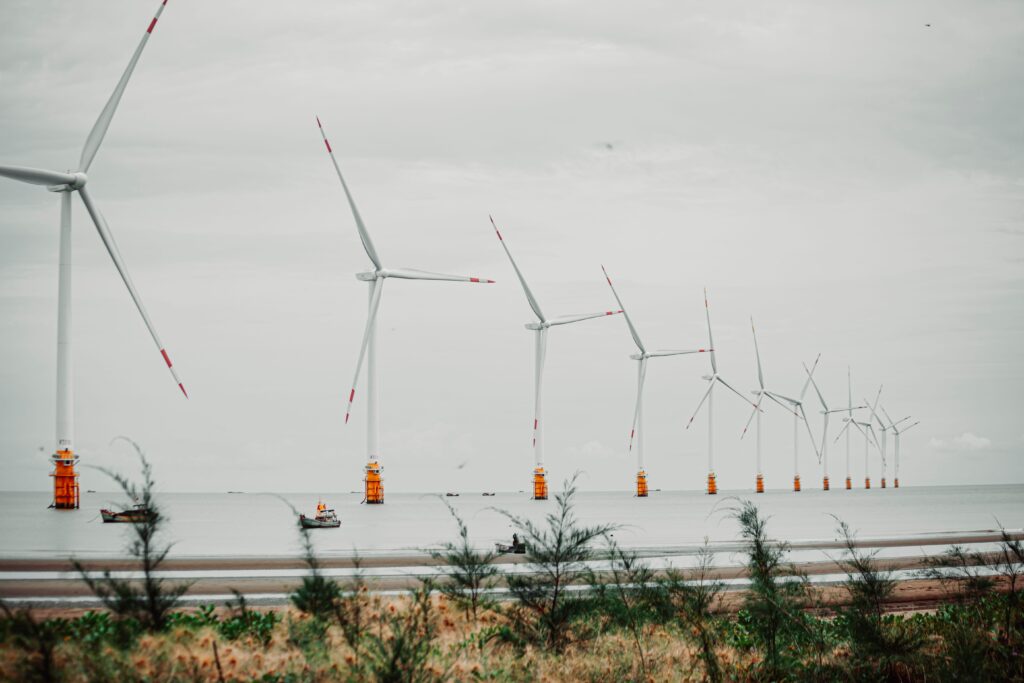
Vanguard West and Vanguard East will each have around 1.4 GW of installed capacity and lie between 50 km and 80 km off the Norfolk coast. SmartestEnergy said it was selected through a competitive process and described the two contracts as among its largest to date.
The announcement did not disclose the price at which it will buy the electricity or how the agreements allocate commercial risks between the parties.
Both wind farms secured 20-year, inflation-linked contracts for difference in January at a strike price of £91.20/MWh in 2024 prices. RWE and KKR have since formed a 50:50 joint venture and secured financing from a consortium of 35 banks.
RWE puts total investment in the wind farms and associated transmission infrastructure at around £12 billion. The financing includes a £1 billion commitment from the UK’s National Wealth Fund.
Onshore preparation is well advanced, according to RWE. The first foundations for Vanguard West are due to be installed in the first half of 2027, with work on Vanguard East to follow.
Both wind farms are expected to be fully commissioned in 2030. For SmartestEnergy, the agreement therefore commits it to handling significant offshore wind output several years before the projects are due to supply power at full scale.
Route to market
A contract for difference settles the difference between an agreed strike price and a market reference price under the scheme’s terms. A route-to-market agreement provides a commercial means of sale and can define who handles risks associated with trading and deviations from forecast generation.
Offshore wind output varies with weather, and the hours when it generates most can also be hours when competing wind farms are producing heavily. An offtaker taking a quarter of Vanguard’s production needs to account for those patterns across a portfolio of customers and other sources of power.
The ability to manage that exposure over 20 years is part of the service the developers have procured.
For developers entering the UK’s next renewables auction, Vanguard shows how many commercial arrangements sit behind a headline strike price. A CfD can underpin revenues and help make debt financing possible, but projects still need a route for selling what they generate, and the quality of that route matters more as the volume grows.
This agreement puts one buyer in place for a quarter of Vanguard’s output. The economics of the rest will depend on the arrangements RWE and KKR make for the remaining power.