
- SSE expects H1 capital investment of £2.5 billion, up from £1.6 billion in the equivalent period last year.
- Investment in regulated networks increased around 70%, while renewable generation rose 20%.
- The update confirms that network infrastructure, rather than generation alone, is becoming the company’s principal earnings engine.
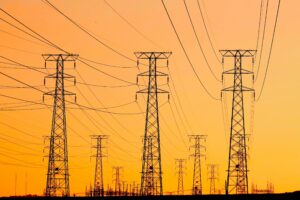
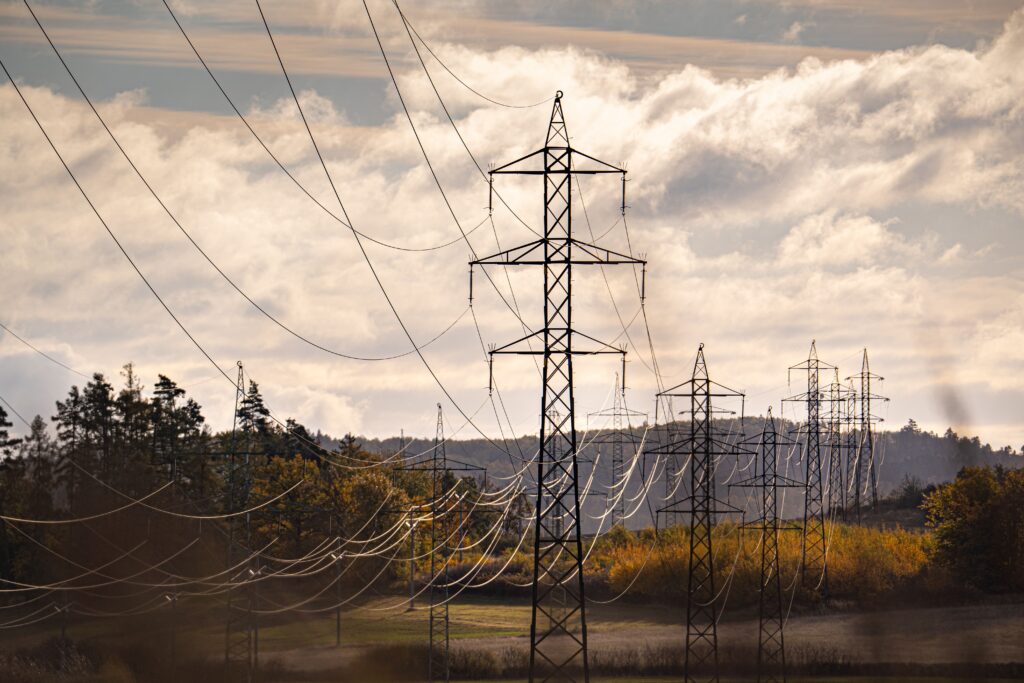
SSE has reported a 70% year-on-year increase in regulated network investment as the energy group accelerates work on 11 major transmission projects under its £33 billion capital programme.
Total investment during the first half of SSE’s 2026/27 financial year is expected to reach approximately £2.5 billion, compared with £1.6 billion in the corresponding period last year. Most of the increase came through SSEN Transmission, which is expanding the high-voltage network across northern Scotland.
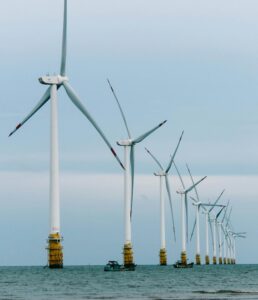
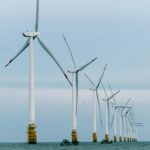
Renewable generation was around 20% higher, reflecting additional capacity and more favourable weather. SSE said turbine installation on Dogger Bank B had passed the halfway point and remained in line with its delivery expectations.
The company expects adjusted H1 earnings per share of between 64p and 68p. It retained full-year guidance of 168p to 193p and its 2029/30 target of 225p to 250p.
Adjusted net debt and hybrid capital are expected to stand at approximately £11.5 billion at the half-year point.
Networks ‘offer resilience’
The results demonstrate the scale of SSE’s strategic pivot towards regulated infrastructure. Approximately £27 billion, or 80%, of its five-year investment programme is allocated to UK electricity networks. Around £22 billion is intended for transmission and £5 billion for distribution.
SSE expects the programme to more than triple its gross regulated asset base to about £40 billion by 2030. By then, approximately 80% of group earnings before interest, tax, depreciation and amortisation are expected to come from index-linked or similarly predictable revenue streams.
Chief executive Martin Pibworth has described the programme as “central to long-term value creation”, linking network expansion to reduced fossil fuel exposure and more predictable returns.
This changing business mix is already altering SSE’s earnings profile. Network revenues are earned throughout the year, unlike renewable and thermal generation, where performance is more exposed to seasonal weather, plant availability and commodity prices. SSE said the growing network contribution was reducing the seasonality traditionally visible in its H1 results.
Hargreaves Lansdown estimated that expected interim earnings were around 83% higher at the midpoint, while noting that SSE’s shares were broadly unchanged in early trading. The investment platform said networks offered resilience but warned that the upfront spending would weigh on cash flow before regulatory returns were received.
Renewables remain important, but they account for a smaller share of future capital than networks. SSE plans to allocate approximately £4 billion to renewable projects and target around 9 GW of installed capacity by 2030. Another £2 billion is earmarked for thermal and flexibility assets, including storage and generation capable of supporting a more weather-dependent system.
Dogger Bank illustrates the balance. The full three-phase wind farm will have 3.6 GW of capacity and could produce electricity equivalent to around 6% of current UK demand. SSE owns 40%, alongside Equinor and Vårgrønn. Phase B has progressed faster than the first phase, but the project remains a major test of turbine commissioning and offshore supply chain execution.
The strategic implication extends beyond SSE. Britain’s transition is moving into a grid-intensive phase in which regulated network companies could capture a larger proportion of sector investment and earnings. The accompanying risks are delivery delays, equipment shortages, regulatory returns and the ability to finance rapid capital growth without excessive pressure on debt or consumer bills.