
- The UK Met Office has issued extreme heat warnings, with temperatures expected to reach 38-39°C and a 25% chance of surpassing 40°C. High humidity and “tropical nights” will make conditions oppressive.
- Health authorities warn that such heat poses a danger even to healthy individuals, while transport and power networks face disruption.
- The event follows the UK’s hottest June on record in 2025 and an exceptionally warm May this year. Meteorologists link the heatwave to climate change, noting that such extremes are becoming more frequent.
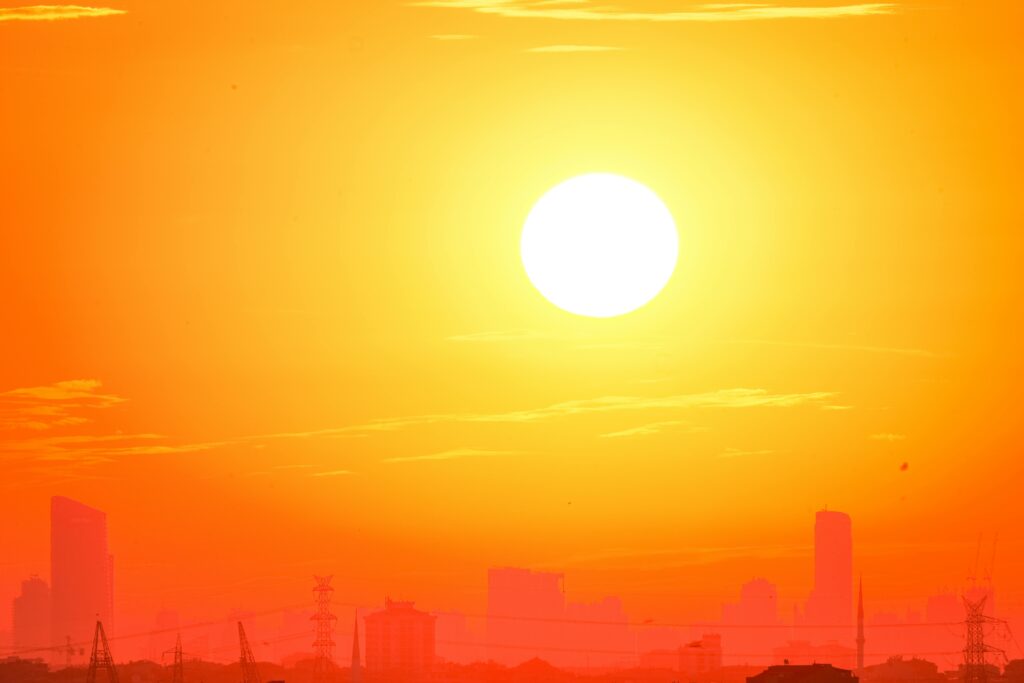
Britain is preparing for what could be its most severe June heatwave on record. The Met Office has upgraded its warnings to amber and red across England and Wales as forecasts suggest daytime temperatures could soar to 38-39°C, eclipsing the previous June record of 35.6°C and potentially challenging the all‑time high of 40.3°C set during the July 2022 heatwave.
Meteorologists give a one‐in‑four chance of temperatures surpassing 40°C, while humidity will push the heat index higher, leading to ‘tropical nights’ when temperatures stay above 20°C.
Local media in Nottinghamshire report that the east Midlands could see 39°C on 24-25 June. The Met Office warns of severe disruption to transport and power lines: rails may buckle, roads could melt and demand for air conditioning will surge placing a greater strain on hospitals.
Public health officials have issued rare extreme heat alerts, urging people to stay hydrated, avoid travel at peak heat and check on vulnerable neighbours. Another report notes that amber warnings now cover most of England and Wales, with meteorologist Simon Partridge saying high humidity will make conditions feel even more oppressive.
This heatwave comes against the backdrop of back‑to‑back record‑breaking seasons. In June 2025 the UK experienced its hottest June on record; May 2026 also set temperature records.
Scientists and Met Office staff attribute the intensified heat to climate change, which increases the likelihood of extreme temperatures and intensifies humidity. The frequency of such events underscores the need for adaptation measures, from urban greening to building insulation that keeps homes cool without excessive air conditioning.
Stress test
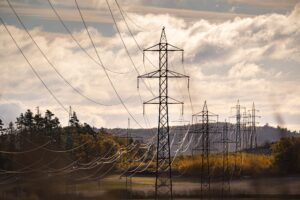
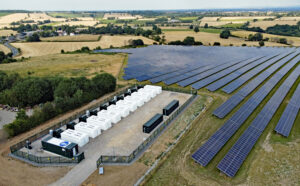
For the energy sector, the looming heatwave is both a stress test and a preview of the future. Peak electricity demand will spike as households and data centres crank up cooling systems. Gas‑fired plants may struggle if high river temperatures limit cooling water, and solar generation could dip slightly if panels overheat.
Utilities must ensure adequate reserve margins and prepare for grid congestion. Longer term, the UK must invest in infrastructure that can withstand higher temperatures – deploying flexible demand‑response programmes, expanding energy storage and incorporating passive cooling measures into building regulations.
Policymakers should also consider how extreme heat interacts with other risks, such as labour disputes in Norway that threaten gas supplies and could coincide with demand spikes. The heatwave highlights the urgency of climate adaptation alongside emissions reduction.