Reports suggest Derril Water Solar Co-op could lose about £2mn during a summer-long curtailment.
The 42MWp project has been operating for less than a year and is owned by more than 9,500 households and small businesses.
The case exposes a mismatch between Britain’s renewable deployment targets and the compensation, visibility and reinforcement arrangements on local networks.
Britain’s largest community-owned solar farm expects to lose about £2mn after being ordered to stop exporting during its first full summer, because of constraints on the north Devon electricity network.
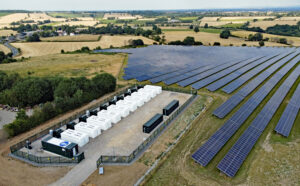
Derril Water Solar Park, a 42 MWp installation near Pyworthy, stopped generation following an instruction issued around the late-May half-term. The shutdown may remain in force until early September, removing the most productive part of the project’s first full operating year.
The curtailment itself was disclosed to members in May. Reporting by The Guardian has since established the likely £2mn revenue impact, the absence of expected compensation and further details of the network problem.
The project is owned by more than 9,500 households and small businesses. Members provided over £20mn of cooperative equity, described by the contractor as the UK’s largest cooperative share raise, alongside a £22mn long-term bank loan.
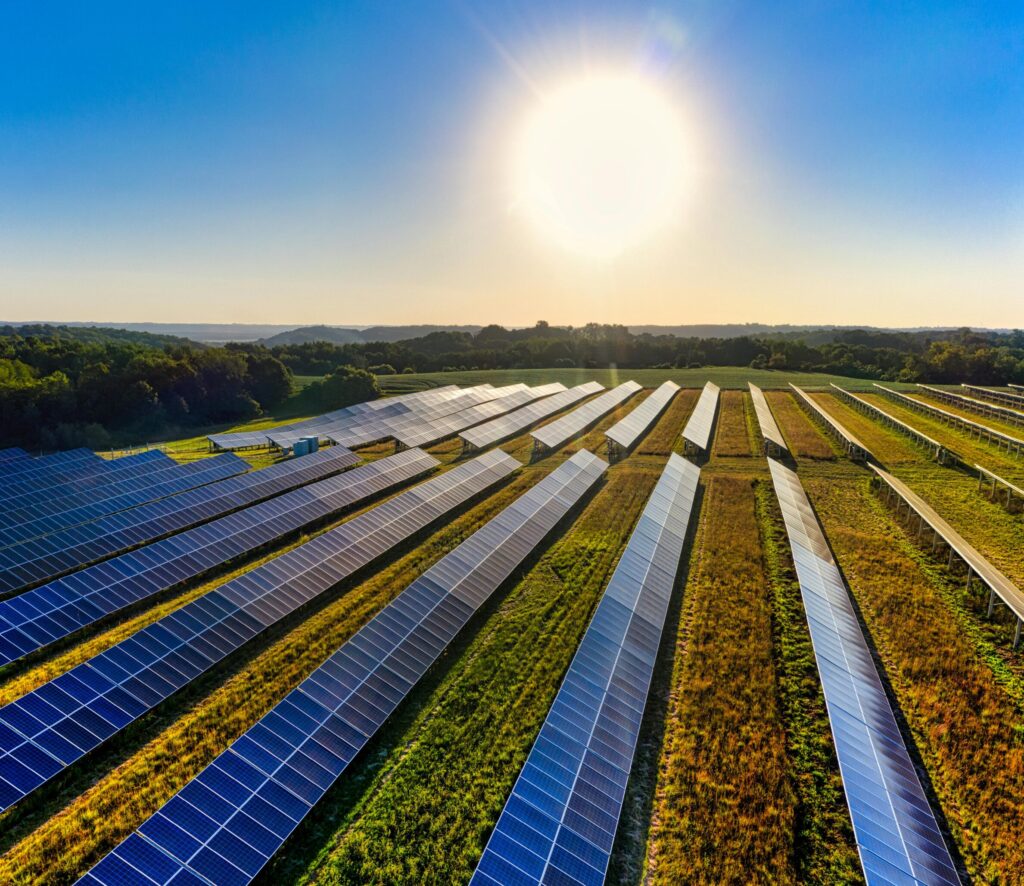
The 163-acre site contains more than 68,000 panels and is expected to generate electricity equivalent to the annual consumption of around 14,000 homes when operating normally. It began exporting at limited capacity in September 2025 before completing the testing required for full output.
The co-op was initially told that works at the Alverdiscott transmission substation had created a constraint that could overload the network. The Guardian subsequently reported that the National Energy System Operator had requested the shutdown of a supergrid transformer, because high distributed solar output risked pushing voltage and equipment beyond safe limits.
National Grid Electricity Distribution has characterised the problem more broadly. It said the curtailment was linked to wider network conditions, system works and the local network configuration rather than a fault specific to Derril Water or solar generation generally. It is working with NESO on temporary solutions.
The co-op believes the relevant network issues were known from 2023 and that equipment originally due by the end of 2025 will not be available until September 2026. It does not expect insurance or the network operator to cover the lost revenue, although its exact connection and curtailment rights have not been published.
Exposure
That contractual question is key: transmission-connected generators can often recover constraint costs through the Balancing Mechanism. Distribution-connected projects operate under a wider range of access arrangements, with some accepting flexible or non-firm connections that permit output restrictions when network limits are reached. Ofgem’s connections review has acknowledged that the visibility and contractual treatment of such curtailment arrangements need improvement.
Derril Water’s financial structure makes the consequences unusually visible. A utility developer might absorb curtailment within a large portfolio; here, the immediate exposure falls on thousands of consumers who invested to reduce their energy costs, as well as on a single project carrying substantial bank debt.
The scheme had already endured construction delays and the collapse of Ripple Energy, which established and managed the shared-ownership offer. Ripple entered administration in early 2025 before its business was acquired by 1st Energy. The solar asset remained under the cooperative’s ownership and was eventually completed under its volunteer board.
Britain now has more than two million solar installations, with installed solar capacity rising by 12% in the year to the first quarter of 2026, according to official statistics. That growth increases the need for real-time visibility, voltage control, local flexibility and timely reinforcement.
A battery at Derril Water might eventually shift some generation away from the solar peak, but storage is not a universal substitute for a transformer or network upgrade. Nor can connection reform solve operational constraints affecting projects that are already built.
The policy risk is larger than one £2mn loss. Community ownership is intended to build public participation in the energy transition; if households discover that network delays can remove an entire summer’s revenue without compensation, future schemes will require higher returns or stronger contractual protection. Perceived grid risk will then manifest not only as delayed generation, but as a higher cost of capital for the UK’s clean power mission.