
- Invinity says its upgraded Endurium module stores 50% more energy and delivers 33% more peak power than its predecessor.
- Fewer modules could cut site and installation costs, but Invinity gave no project-level saving in the announcement.
- Ofgem has provisionally selected a project using Invinity technology for its long-duration storage scheme. A final decision is pending.
Invinity Energy Systems has put an upgraded vanadium flow battery module on general sale, saying it can store 50% more energy and deliver 33% more peak power than its predecessor.
The London-listed manufacturer says developers could meet the same specification with fewer Endurium modules, potentially reducing the space and equipment needed at a storage site.
Invinity increased the amount of electrolyte the module can hold and upgraded the electrical systems and controls that govern how the battery moves fluid and delivers power. Chief executive Jonathan Marren said further product changes were aimed at helping the company “reduce our costs, improve margins and strengthen Endurium’s competitiveness as we scale”.
The announcement provides performance figures for the module, leaving developers to work out what the gains would be worth on a complete installation.
The launch comes ahead of a shareholder vote on Wednesday on resolutions tied to a £25 million fundraising that Invinity announced in October. The National Wealth Fund has committed £12.2 million as part of the conditional raise, with proceeds intended to expand manufacturing, fund research and development and provide working capital.
Fewer modules could save money
A flow battery stores energy in liquid electrolyte, which it pumps through electrochemical stacks when charging or discharging. The volume of electrolyte helps determine how much energy the battery can store, while the stacks help determine how quickly it can deliver it.
For a developer buying an eight-hour system, what matters is the power it can sustain over all eight hours, which is a different figure from the peak output in a product announcement.
The upgrade could make the biggest difference where the amount of energy a project needs to store determines how many modules it buys. Fewer units can mean less cabling, fewer foundations and fewer hours on site, although the cost of shared equipment and grid works may change little.
A project sized around sustained power could see a smaller saving, which is why the price of the installed system and its guarantees on efficiency and availability will matter more to buyers than either headline percentage.
Route to commercial scale
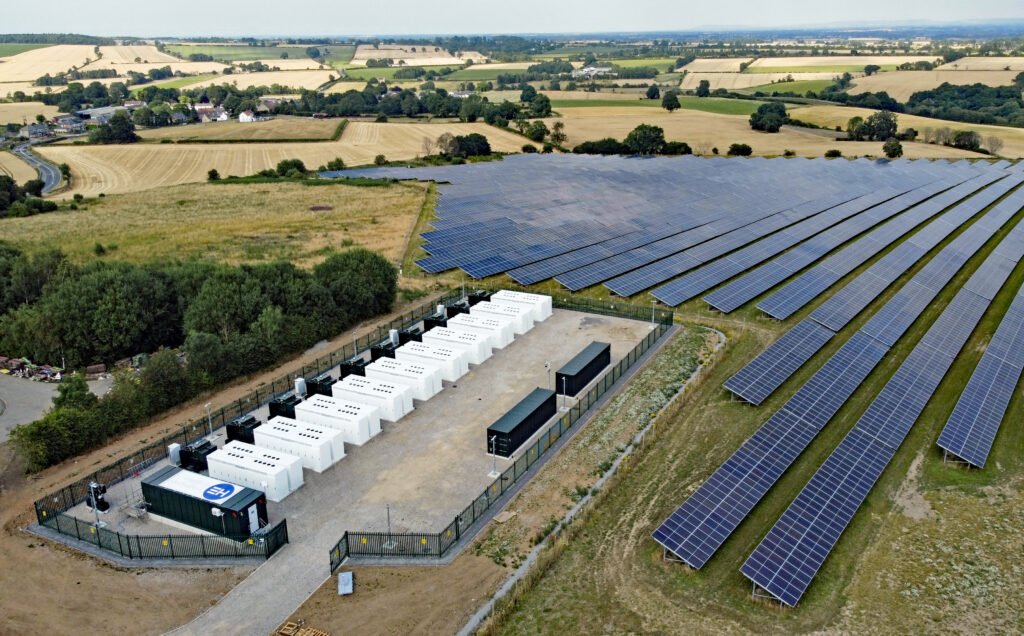
Invinity has already delivered 20.7 MWh of flow batteries to the Copwood energy hub in East Sussex, where a 3 MW solar array will supply power that the batteries can store for use in the evening and overnight. The project received a government demonstration grant.
In September, Invinity said it expected to complete the grid connection before fully commissioning the site and earning its first revenues.
Ofgem’s cap-and-floor scheme offers a route to larger projects by giving qualifying developers a minimum level of revenue and returning revenues above a cap to consumers. In June the regulator provisionally selected 16 projects, including Frontier Legacy, which uses Invinity technology. The consultation has closed and Ofgem lists the decision as pending.
A revenue floor can make a project easier to finance, but its owner still has to pay to charge and maintain the batteries over years of operation. The commercial value of the Endurium upgrade will show up in what Invinity can charge for a complete system and what it is prepared to guarantee about the power that system will deliver over time.