
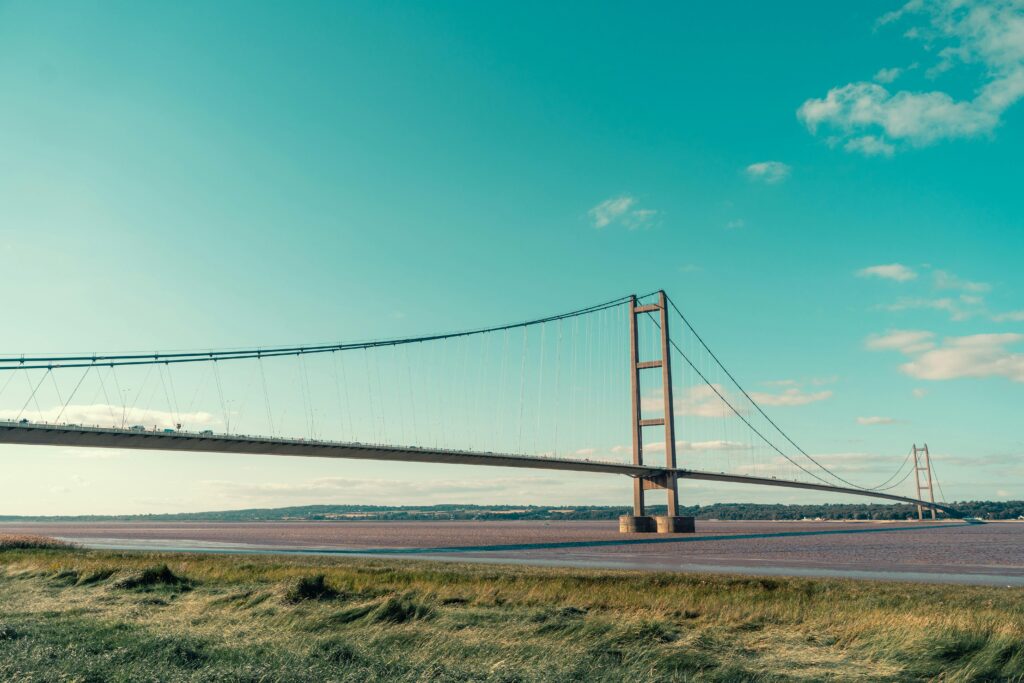
- The two-year contract covers engineering studies at Viking East and Viking West, two offshore sites that could add storage capacity beyond the Humber project’s first phase.
- Viking is targeting initial capacity of up to 4 million tonnes of CO₂ a year from the early 2030s, with the new work examining how much the expansion sites can hold and how quickly they can take it.
- The October Budget maintained Viking’s development grant, while a final investment decision still depends on project readiness and affordability.
Harbour Energy has awarded Aberdeen-based Elemental Energies a two-year contract to assess how much extra CO₂ two North Sea sites could store as it develops the Humber’s Viking carbon capture project ahead of a final investment decision.
Elemental will carry out subsurface, geomechanics and well engineering studies at Viking East and Viking West in the southern North Sea. The work will assess how much CO₂ the sites could hold, how quickly wells could inject it and how securely it would remain underground.
The two sites are being developed alongside Viking’s main store, with the wider project aiming to transport and store up to 4 million tonnes a year initially from the early 2030s.
Elemental chief executive Mike Adams said the project illustrated the value of “bringing together subsurface, geomechanics and well engineering expertise within a single integrated team”.
For Harbour, the point of combining those disciplines is that a reservoir’s capacity tells it only part of what it can offer customers. How much CO₂ it can accept in a year also depends on how the rock responds to injection and what the wells can deliver within safe pressure limits.
Keeping Viking moving
Harbour operates Viking with a 60% interest, alongside BP with 40%. The project would take captured CO₂ from Immingham through a new 55 km underground pipeline to Theddlethorpe on the Lincolnshire coast, then use a repurposed offshore gas pipeline to reach depleted reservoirs.
The onshore pipeline received development consent in April 2025, following completion of front-end engineering design earlier that year.
The government approved £65.5 million in development funding in July to support further technical and commercial work. The October Budget maintained Viking’s grant funding and said the government was exploring private investment and public loans or equity for projects still in development.
Harbour is working towards a final investment decision in this Parliament, subject to readiness and affordability. That leaves the terms on which Viking would build and operate the network open while engineering work proceeds.
For industrial operators considering carbon capture, the practical question is how much CO₂ the network can agree to take and from when. That information is key before committing capital to capture equipment, while Harbour needs credible estimates of customer volumes to decide how much transport and storage capacity to build.
If the East and West studies give Harbour more confidence about future injection rates, it will be better placed to judge when to add capacity and which customers it can accommodate.
That makes the award particularly significant for the Humber region. The first phase gives emitters a proposed route to offshore storage, while the expansion work will help determine whether that route can serve a wider group of industrial plants as their capture projects come forward.