
- The compact gives Great British Energy and the UK energy department responsibility for delivering the UK’s side of the agreement, alongside Japan’s industry ministry.
- The signing formalises a framework first announced in June, when the UK identified up to £9 billion in potential Japanese investment and cited 5.9 GW of British floating wind projects.
- Joint testing and more consistent equipment standards could make it easier for suppliers to serve both markets. Ports and manufacturers will still need firm orders before committing to major upgrades.
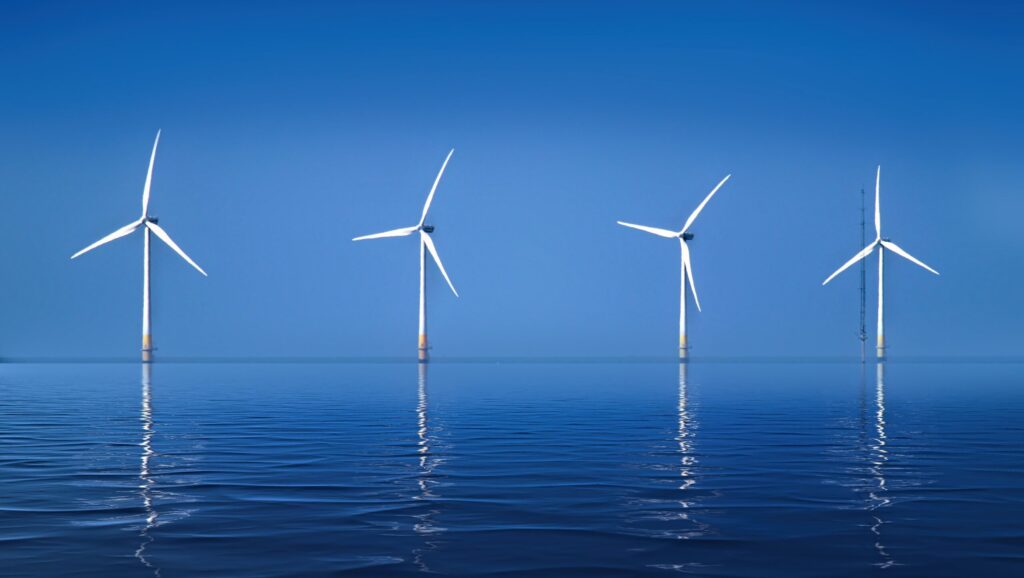
The UK and Japan have signed an offshore wind industrial compact that gives the two countries a framework for joint investment, technology testing and supply chain development, with floating and deepwater projects at the centre of the agreement.
UK energy minister Michael Shanks signed for the UK alongside Japan’s state minister for economy, trade and industry, Kei Takagi on Tuesday.
The agreement builds on an offshore wind memorandum signed in March 2025. In June, Downing Street said the compact could unlock up to £9 billion of Japanese investment and support the development of 5.9 GW of UK floating wind, naming Ossian and Green Volt off Scotland and Erebus in the Celtic Sea.
The signed text sets out how the governments intend to work together, while individual investment decisions will depend on the projects and companies involved.
Great British Energy (GBE) and the Department for Energy Security and Net Zero will lead implementation on the UK side. The compact also gives British organisations including Ofgem, the National Energy System Operator and ORE Catapult a role in sharing expertise on auction design, grid integration and standards as Japan develops its offshore wind market.
That creates a route for British engineering and advisory firms to build relationships in Japan alongside the more visible prospect of Japanese capital coming into UK projects.
Joint work could cut costs
The compact calls for cooperation on foundation development and possible standardisation, as well as work on adapting turbines designed for fixed-bottom wind farms to floating platforms. It builds on existing collaboration between ORE Catapult and Japan’s Floating Offshore Wind Technology Research Association.
Further demonstration work involving GBE and Japanese partners is subject to discussions over how it would be carried out.
The commercial opportunity lies in what developers can reuse across projects. Wind farms will still have different seabed conditions, weather and port requirements, but a supplier that can qualify a component or apply the same testing method in both markets can spread some engineering costs across a larger order book.
The compact gives those discussions a formal home at a point when suppliers are deciding which designs to support and where to invest in production.
A port preparing to handle floating foundations may need to strengthen quays and set aside land for assembly years before the first units are towed out. The June headline gives a sense of the scale ministers envisage, but ports and manufacturers make those decisions against expected construction dates and the volume of work they can reasonably secure.
That is where coordination across several projects can matter more than the size of any one development.
The UK already has examples of public capital being tied to project milestones. GBE, the National Wealth Fund and the Scottish National Investment Bank each took a minority stake in Pentland Floating Offshore Wind Farm in 2025, with the option to invest further as it progresses.
The bilateral compact is broader. Its value to the supply chain will become clearer when joint demonstrations, investment decisions or procurement schedules give manufacturers a basis for committing their own capital.