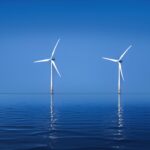

- The European Commission has approved a Belgian aid scheme for a wind farm of up to 735 MW in the Princess Elisabeth zone.
- Belgium redesigned the tender after cancelling the earlier process, allowing more time to build and moving to a single two-way Contract for Difference.
- The approval reopens a source of work for North Sea suppliers, with the construction timetable still tied to the offshore grid and onshore reinforcements.
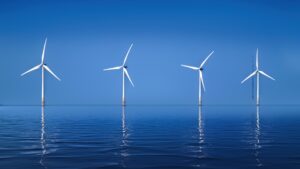
The European Commission has approved a €2.04 billion Belgian state aid scheme for the first wind farm in the Princess Elisabeth offshore zone, clearing a hurdle for a North Sea project that Belgium has been trying to bring back to market since cancelling its original tender last year. The project could boast up to 735 MW of generating capacity.
The clearance follows Belgium’s decision in July to revise the rules for the first concession. The government said it had halted the earlier process because several prerequisites were unresolved, including the support arrangements, the timing of the Princess Elisabeth energy island and the reinforcements needed onshore.
The previous state aid approval had required Belgium to select a winner by the end of 2025.
Terms of the tender
The revised tender allows up to five years for construction, up from four, to reflect pressure on suppliers and seasonal limits on offshore piling. Belgium also removed the preset strike-price ceiling, with the lowest strike-price bid to rank first.
That gives bidders more room to price current costs and delivery risks, while leaving the government reliant on competition to keep the price down.
Belgium is moving to a single two-way Contract for Difference. When the market reference price falls below the agreed strike price, the support mechanism pays the difference. When it rises above the strike price, the producer pays back the difference.
The government has removed a separate support route for fixed-price power purchase agreements, while leaving the winner free to enter into commercial agreements to sell electricity to industrial customers or other buyers.
The €2.04 billion figure is the approved support envelope. How much support the project ultimately draws will depend on the auction outcome and how market prices compare with the winning strike price over the life of the contract. The auction will also reveal whether the redesigned terms have attracted enough bidders to make removing the ceiling worthwhile.
Grid delivery risk
The wind farm is one part of a wider system that includes Elia’s artificial energy island, around 45 km off the Belgian coast. The Belgian government has set 1 October 2031 as the latest date for the island’s first phase to enter service.
The date matters to a wind developer because delays to the connection can hold up revenues even if the turbines are installed, while grid operators have to commit capital before all the generation that will use their equipment is certain to proceed.
For UK suppliers, the project could become an additional source of work in a region where many developers buy from the same pool of cable manufacturers, fabricators and vessel operators.
The sequencing of the Belgian tender and British awards will determine whether those orders help sustain capacity between projects or compete for the same installation seasons. Belgium’s decision to give the winner another year to build shows that supplier availability is already influencing the design of auctions.