- Brent crude fell to around $73/barrel and US WTI to about $69 per barrel on Monday, marking their steepest quarterly decline since the pandemic, as prospects for US-Iran talks and improved shipping flows eased supply fears.
- Analysts note that previously stranded tankers are resuming voyages through the Strait of Hormuz, temporarily boosting supply, while Morgan Stanley forecasts a 4.8 million barrel/day surplus by 2027.
- Record US output (13.93mn b/d in April) and a surge in UAE exports have added to oversupply, and OPEC+ is poised to raise output targets by 188,000 barrels per day in August.
Oil markets are entering the second half of 2026 without the fear premium that dominated prices earlier this year.
After spiking to above $90 a barrel in March as the Strait of Hormuz was choked by the Iran war, crude benchmarks have retreated. Brent settled around $72.92 per barrel on Monday, its lowest since February, while US West Texas Intermediate (WTI) slid to about $69.50.
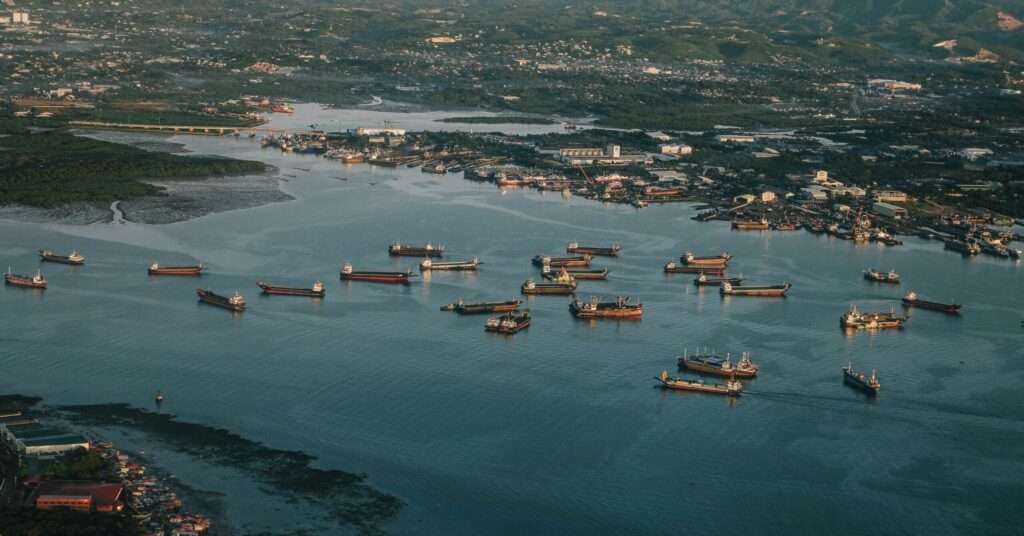
The decline caps the steepest quarterly drop for crude since 2020. Behind the retreat is a mix of de-escalation and oversupply: US and Iranian officials have resumed technical talks in Doha, and the US Navy has reopened shipping lanes through the strait. As a result, about 100 million barrels of oil that had been stuck on tankers are now moving to market.
The supply picture is further complicated by surging production. In April US crude output hit a record 13.93 million barrels per day, led by growth in the Permian Basin. Meanwhile the United Arab Emirates, which left OPEC+ in April to maximise its own output, exported 3.7 million barrels per day in June – above pre-war levels, according to shipping data.
Morgan Stanley analysts now model a 4.8mn b/d global surplus by 2027, assuming most of the crude parked during the conflict re-enters the market.
OPEC and its allies are also preparing to unwind supply cuts. Having slashed production by 1.65 m b/d during the height of the crisis, the coalition began increasing output in May and is expected to add another 188,000 barrels per day in August.
Iraq, which initially threatened to leave the group, is now seeking a higher quota to compensate for war-related losses, while other producers like Russia and Saudi Arabia want to defend market share. Traders say the easing of voluntary cuts will test the cohesion of the alliance and could put further downward pressure on prices.
Demand indicators have also softened. China’s economic recovery has remained sluggish, with manufacturing activity contracting for a second month in June. In the US, gasoline consumption has been below last year’s levels despite the summer driving season.
European refinery margins have narrowed as high stocks meet tepid demand. The International Energy Agency still expects global oil demand to rise by 1.1 m b/d this year but notes that growth is concentrated in petrochemicals rather than transport.
Diplomacy wildcard
The big unknown is diplomacy. US and Iranian negotiators are engaging in indirect talks in Qatar aimed at transforming the interim ceasefire into a lasting agreement.
According to Reuters, Iran wants recognition of its control over the Strait of Hormuz and access to frozen oil revenues; Washington seeks guarantees that shipping will remain free and that Iran will curb support for proxies in Yemen and Lebanon. While traders are optimistic about progress, they caution that mistrust runs deep and that a single incident could send prices spiking again.
For the UK, the price retreat brings short-term relief. Lower crude prices reduce wholesale fuel costs and ease inflationary pressure. However, the drop also highlights the sector’s vulnerability to geopolitical swings.
British North Sea producers face squeezed margins, while refiners must manage inventory carefully in case of a sudden rebound. Moreover, lower prices could encourage motorists to drive more, undermining efforts to cut oil consumption. Investors with exposure to oil equities should expect continued volatility: the war premium may be gone for now, but the underlying drivers of supply and demand remain in flux.
Ultimately, the recent sell-off is a reminder that energy transitions do not follow a linear path. As renewable energy and electric vehicles expand, the demand for oil may plateau – but geopolitical shocks can still send prices lurching in either direction.