
- A Qatari LNG tanker, the Al Rekayyat, and a Saudi‑flagged crude supertanker have been hit by projectiles near the Strait of Hormuz, prompting maritime authorities to raise the threat level for ships transiting the waterway to “severe”.
- The attacks disrupted a fragile détente between Washington and Tehran; the US revoked a licence allowing Iran to sell oil and warned of further consequences. About 16 vessels transited the strait on Tuesday, well below the pre‑war average of about 125 sailings a day.
- Oil prices jumped by nearly 6% in post‑market trading, with Brent crude approaching $76 a barrel, as traders reassessed the risk of supply disruption.
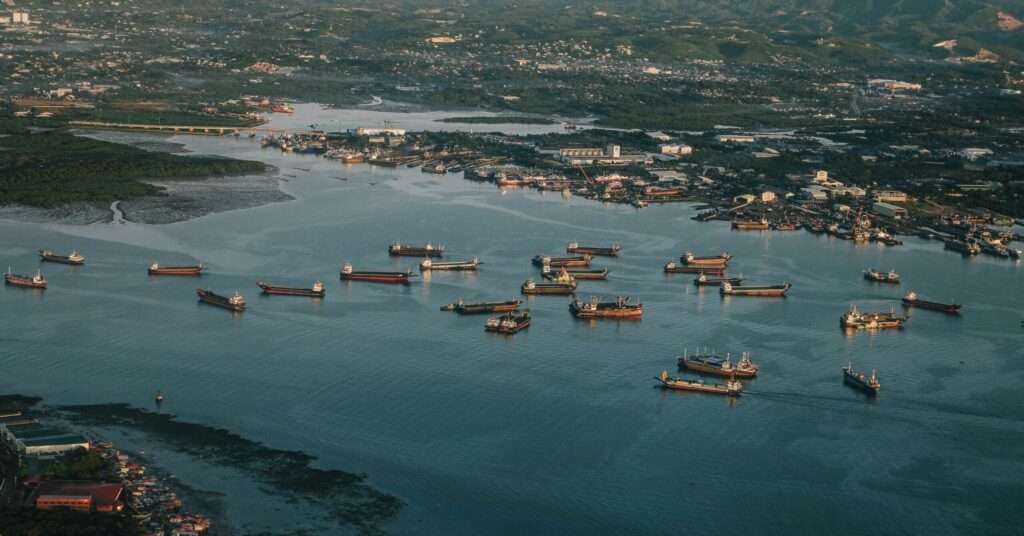
The Strait of Hormuz, through which a fifth of the world’s oil and gas flows, is once again a flashpoint.
On Tuesday, the Qatari LNG carrier Al Rekayyat was struck by a drone in its engine room and caught fire, forcing the crew to abandon ship. A Saudi‑flagged supertanker, believed to be the Wedyan, was also damaged off Oman’s coast. While no crew members were injured, the incidents sent shockwaves through maritime circles and revived fears of a broader confrontation in the Middle East.
According to Reuters, maritime authorities raised the threat rating for vessels transiting the strait from “substantial” to “severe,” the highest level since mid‑June. The attack came just weeks after the US and Iran agreed to reopen the waterway following a three‑month war that had choked global energy supply.
In response to the latest incidents, the White House revoked a licence it had granted to Iran allowing limited oil sales, signalling Washington’s patience had run out. Qatar and Saudi Arabia accused Tehran of orchestrating the strikes and summoned Iranian diplomats to protest.
The direct consequences were immediate. Only sixteen vessels passed through Hormuz on the day of the attacks – roughly one‑tenth of the pre‑war average – according to ship tracking data. Shipping broker BRS said the “stop‑start” re‑opening of the strait was injecting extreme volatility into tanker markets.
Average daily rates for loading ships in the Gulf jumped to almost $300,000 a day, up by more than 50% in a week. For UK refiners and utilities, which rely on LNG shipments and fuel imports through global markets, such price spikes translate into higher costs and heightened uncertainty.
Oil prices also responded sharply. Brent futures, which had dipped toward $70 amid hopes of a durable truce, raced back toward the mid‑$70s and extended gains in after‑hours trading. Analysts said the rebound reflects a reassessment of geopolitical risk: the revoked US licence was a key concession Iran had sought in return for keeping Hormuz open. With that incentive removed, Tehran has less reason to cooperate, and traders fear further attacks or even a renewed blockade.
Beyond the immediate market reaction, the episode exposes the fragility of the region’s security architecture. Iran’s Revolutionary Guard Corps wants to install a permanent system to collect fees from vessels transiting the strait, part of a broader bid to assert control over a waterway long protected by US naval power.
Meanwhile, President Trump has repeatedly threatened to “finish the job,” and US jets struck Iranian boats and missile sites earlier this week. Shipping companies now face a dilemma: continue using Hormuz and pay higher insurance premiums, or reroute via the longer and costlier Cape of Good Hope, adding days to voyages and increasing carbon emissions.
The episode underscores the strategic importance of developing alternative routes, such as expanding the East‑West pipeline across Saudi Arabia to the Red Sea, and of accelerating investment in domestic clean energy. As Europe weighs electrification plans and governments consider replenishing strategic oil reserves, the Hormuz crisis remains a stark reminder that geopolitical risk remains an ever‑present factor in energy prices.