
- Europe’s current heatwave is forcing power systems to cut output and raise prices; French nuclear generation has been throttled by 4.1 GW (about 7% of demand) due to hot rivers.
- Record temperatures above 40°C have led to France’s Brittany region enduring 44.3°C and the UK issuing only its second-ever red extreme heat warning.
- Reduced hydro and wind output and increased air‑conditioning use are pushing wholesale electricity prices higher and increasing demand for gas‑fired power.
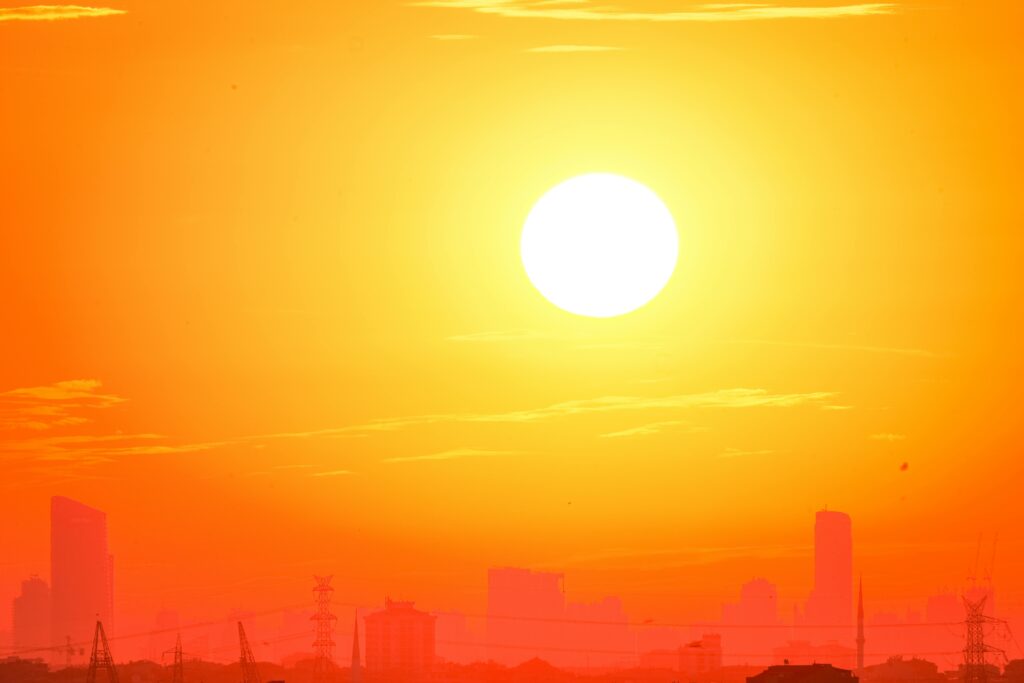
A historic heatwave, fuelled by a stubborn ‘Omega block’ of high pressure drawing heat from the Sahara, has swept across Europe this week shattering temperature records, straining power grids and prompting life‑and‑death warnings from authorities.
In France, state utility EDF cut nuclear power output by 4.1 GW – roughly 7% of national demand – after river temperatures rose beyond safe cooling limits. EDF’s fleet uses rivers such as the Garonne and Rhone for cooling; hot water discharge is restricted to protect ecosystems.
Reduced nuclear availability forced France to rely more on gas‑fired plants and imports, pushing wholesale prices up and spurring fears of blackouts. Grid operator RTE warned the heatwave could be as disruptive as periods of low wind in winter.
Across Europe, the heatwave’s human toll has been stark. Reuters reports at least 50 deaths in France, primarily from heatstroke and drowning, with 48 drowning incidents as people sought relief in rivers and pools. In Brittany, the thermometers hit 44.3°C, smashing local records. Italy issued heat alerts for 16 cities and opened air‑conditioned public shelters.
Power cuts hit parts of Brittany as consumption outstripped supply. An estimated 94 million people across France, Spain and Portugal were forecast to endure temperatures above 35°C.
Britain, which recorded its hottest day ever (40.3°C) in 2022, is again on high alert. The Met Office has issued only its second red extreme heat warning, predicting temperatures near 39°C and nights staying above 20°C. Schools and businesses are closing, and hospital chiefs warn of spikes in heat‑related illness.
The UK government has urged energy companies to ensure there is enough gas and electricity to meet cooling demand and maintain water supplies.
Omega block
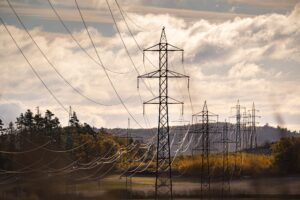
Heatwaves typically strain electricity systems in several ways: higher temperatures reduce the efficiency of power plants, particularly thermal generators that use water for cooling, while also driving up demand for air conditioning.
When rivers run warm and low, nuclear and coal plants must dial back output to avoid overheating waterways. In France, this means increased reliance on gas imports – costly at a time of geopolitical uncertainty in the Middle East – and on interconnectors with neighbours like the UK.
The Omega block pattern behind this heatwave traps high‑pressure air between two lows, creating a dome of hot, still conditions that can last days or weeks. Meteorologists say such patterns are becoming more frequent and intense due to climate change.
Future summers could see similar events coinciding with low wind or drought, making electricity systems more vulnerable. For the UK, which is aiming to decarbonise its grid by 2035, the episode underscores the need for flexible backup capacity, better interconnection with Europe, and investment in grid‑scale storage.
As climate change accelerates, extreme weather events will continue testing Europe’s energy infrastructure. Policymakers are urged to integrate heatwave resilience into planning – ensuring thermal plants have adequate water supply, expanding demand‑response programmes, and accelerating the deployment of flexible resources like battery storage.