
- Swedish start‑up Stegra has raised a €1.4 billion financing package led by Wallenberg Investments and major investors including Temasek and IMAS to fund Europe’s first commercial hydrogen‑fuelled steel plant.
- The deal ensures the Boden plant has a fully funded path to completion after cost overruns; Wallenberg will become Stegra’s largest investor and Leif Johansson is slated as new chair.
- Hydrogen‑based steel could cut emissions by up to 95% compared with traditional blast furnaces, offering a blueprint for decarbonising heavy industry. Other ‘green steel’ projects have stalled due to high costs and uncertain hydrogen supplies.
Europe’s quest for ‘green steel’ received a critical boost this week, with Swedish start‑up Stegra securing €1.4 billion in financing for its pioneering hydrogen‑fuelled steel plant in Boden, northern Sweden.
The fundraising – backed by Wallenberg Investments, Singapore’s Temasek and the IMAS Foundation – ensures the plant, expected to cut carbon emissions by 95%, will proceed despite soaring costs and a shaky investment climate for green hydrogen projects.
Founded in 2020, Stegra aims to replace coal in the steelmaking process by using hydrogen produced from renewable electricity to reduce iron ore, creating nearly carbon‑free steel.
The Boden project broke ground in 2022 but encountered escalating costs as inflation, supply chain bottlenecks and high interest rates plagued the nascent green steel sector. Several European rivals put their plans on hold, raising fears that the continent’s decarbonisation drive was losing momentum.
The new financing package – announced on 14 April 2026 – includes €250 million from Wallenberg Investments, making it Stegra’s largest shareholder, and contributions from existing backers Altor, Hy24 and Just Climate. Leif Johansson, former chair of AstraZeneca and Ericsson, is set to lead Stegra’s board as part of the deal.
The funding will cover remaining construction costs and provide contingency for additional capital requirements. The financing is subject to final credit approvals, with completion expected in June 2026.
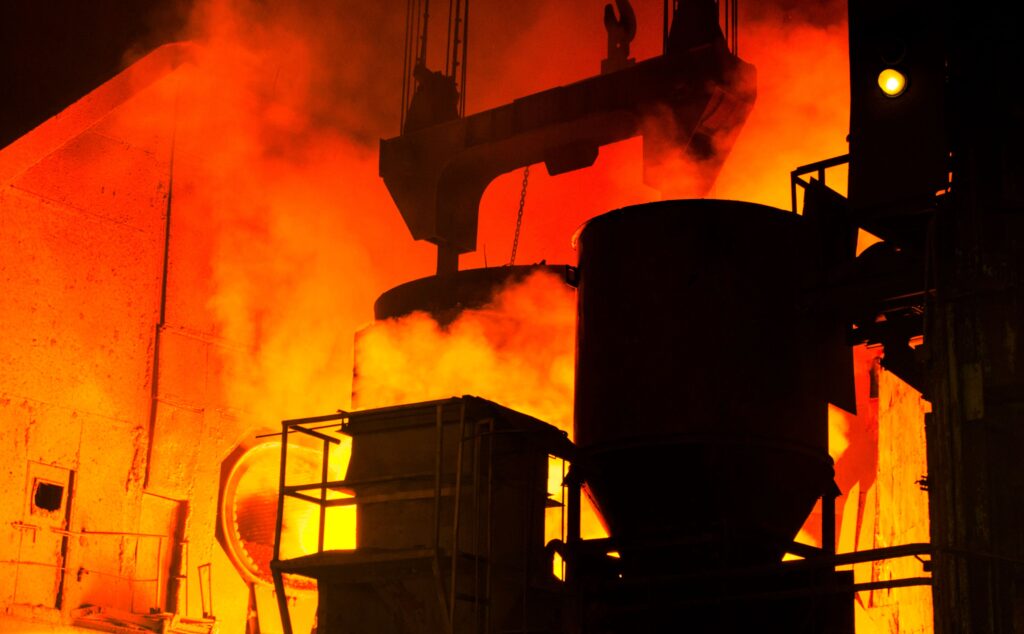
Steel accounts for about 8% of global carbon emissions, largely because traditional blast furnaces burn coal to smelt iron ore. Green steel – made using hydrogen and renewable electricity – offers a way to decarbonise one of the hardest‑to‑abate sectors.
Stegra estimates its process can cut emissions by 95%, capturing market demand from automakers, construction firms and appliance manufacturers seeking low‑carbon materials. Early customers include Volvo Cars and Ikea, but long‑term offtake agreements remain limited because large buyers still weigh cost premiums and supply reliability.
‘Green’ premium
Stegra’s financing stands out amid a broader slowdown in green hydrogen projects. High electrolyser costs, scarce renewable power and lack of pipeline infrastructure have deterred investors. The EU has pledged to domestically produce 10 million tonnes of renewable hydrogen annually by 2030, but final investment decisions remain sparse.
Stegra’s success could catalyse other projects by proving that scale and strong partnerships can overcome early‑stage risks.
Nevertheless, challenges remain. Hydrogen supply must be secured at competitive prices; otherwise the plant could face high operating costs. Customers will need to pay a premium for green steel, at least initially. And new logistics – like hydrogen pipelines or storage facilities – must be developed.
Stegra chief executive Henrik Henriksson acknowledged that production ramp‑up may be slower than originally planned and emphasised the need for stable policy support.
Britain imports most of its steel and is exploring its own green steel options, including proposals to convert blast furnaces at Port Talbot to hydrogen. Stegra’s financing demonstrates investor appetite for high‑impact decarbonisation projects when the value proposition is clear.
It may also spur UK policymakers to accelerate planning for hydrogen infrastructure and support domestic steelmakers. For UK engineers and investors, Stegra’s progress is a reminder that early movers in green industries can secure significant capital despite uncertain market conditions.
Construction at Boden is expected to resume at full speed this summer, with first production tentatively slated for 2027. If successful, the project could prove that hydrogen‑based steel works at commercial scale and open doors for replication across Europe.